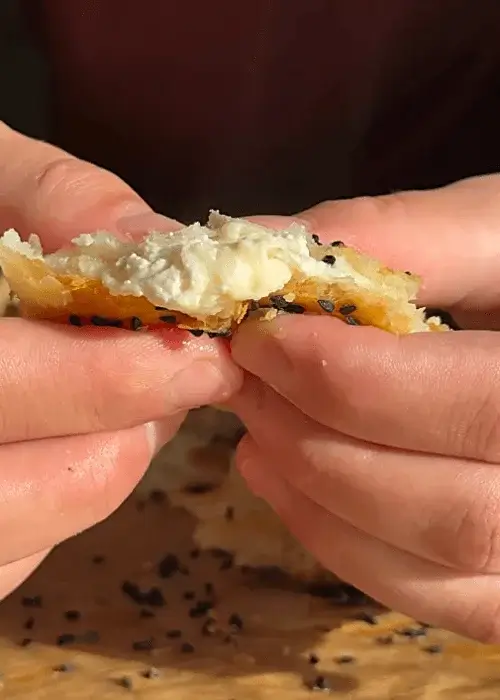
Homemade Za’atar Cheese Bourekas Recipe

Watch the Full Step-by-Step
- Mixing bowls
- Food processor
- Rolling Pin
- Round cutter
- Baking sheet
- Pastry brush
- Kitchen scale
INGREDIENTS
- Dough:
- 2 cups/240 grams all-purpose flour
- 1 cup/240 grams sour cream
- 5.3 ounces/150 grams cold unsalted butter, cut into cubes
- 1 teaspoon/5 grams baking powder
- 1 teaspoon salt
- Filling:
- 1 cup/225 grams cottage cheese
- 1 cup/100 grams grated mozzarella or mild yellow cheese
- 7 ounces/200 grams feta cheese, crumbled
- 1 tablespoon lemon zest
- ¼ cup fresh za’atar leaves, chopped
- ½ teaspoon black pepper
- Brushing and topping:
- 1 large egg
- 1 tablespoon water
- 1 tablespoon date syrup
- 1 tablespoon nigella seeds or sesame seeds

INSTRUCTIONS
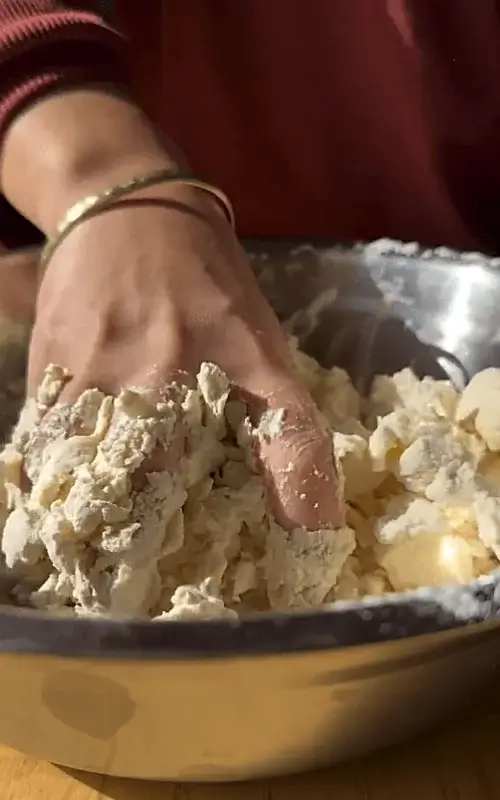
- Combine the flour, sour cream, butter, baking powder, and salt in a bowl or food processor. Mix just until a dough forms. Wrap and refrigerate for 30 minutes.
- In a second bowl, mix the cottage cheese, grated cheese, feta, lemon zest, za’atar, and black pepper until evenly combined.
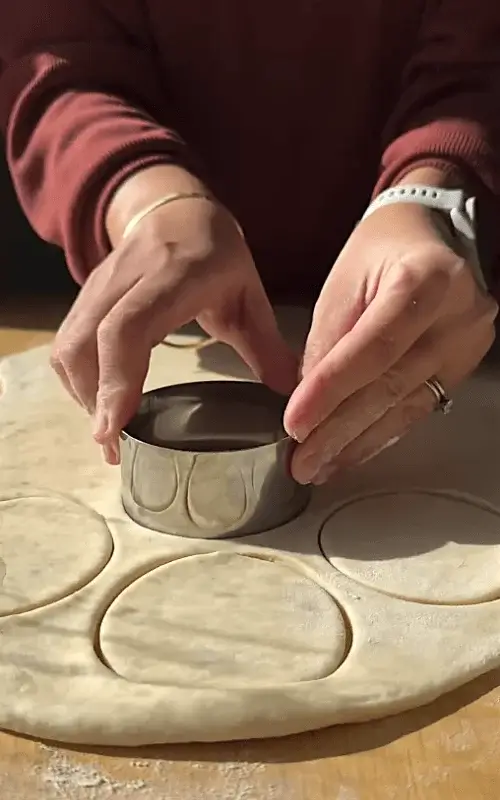
- Roll the dough on a lightly floured surface to about ⅛ inch thick. Cut into 3-inch rounds, rerolling the scraps as needed.
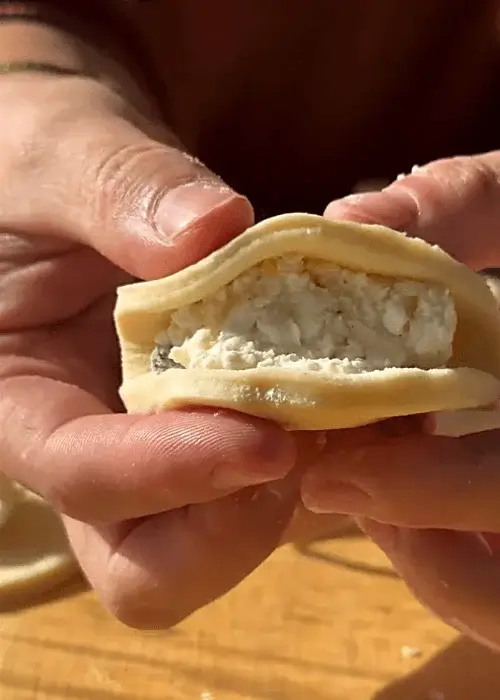
- Place a heaping tablespoon of filling in the center of each round. Fold into half-moons and seal the edges well. Arrange on a parchment-lined baking sheet, leaving space between each piece. Freeze at this stage, if desired.
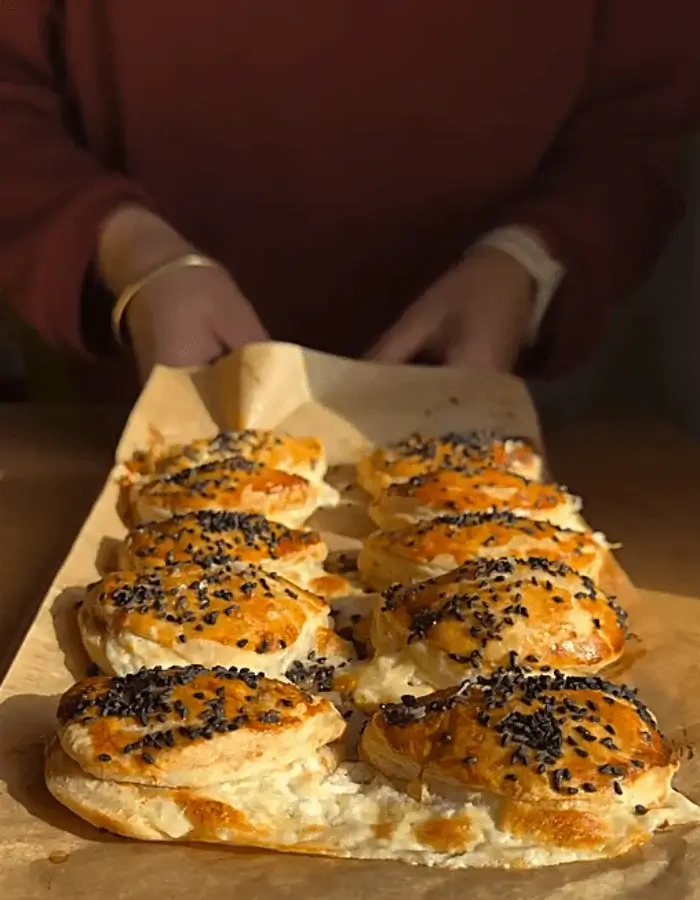
- Whisk the egg, water, and date syrup together. Brush over the bourekas and sprinkle with seeds.
- Bake at 350°F/180°C, preferably on convection, until golden and crisp, 25 to 30 minutes. Some cheese may bubble out and caramelize at the edges. Serve warm.
FAQ
What is the best cheese combination for a cheese bourekas recipe?
A well-balanced filling in a cheese bourekas recipe relies on combining cheeses with different moisture levels, fat content, and saltiness. Cottage cheese provides a soft, slightly tangy base with moisture that keeps the interior creamy. Feta contributes salt and structure, helping the filling hold together while delivering a sharp, briny contrast. Mozzarella or a mild yellow cheese adds meltability, creating the characteristic stretchy texture when baked.
The ratio matters: too much feta can make the filling overly salty and dense, while too much cottage cheese can cause excess moisture and potential leakage. Properly draining wetter cheeses, if needed, ensures the filling stays cohesive during baking. The addition of lemon zest and fresh za’atar enhances brightness and aroma, preventing the mixture from feeling heavy.
What type of flour works best in a cheese bourekas recipe and why?
All-purpose flour is the standard choice in a cheese bourekas recipe because it provides a balanced gluten structure that supports both tenderness and stability. It has enough protein to create a dough that holds shape during rolling and baking, but not so much that it becomes tough or bread-like. Lower-protein flours would produce a more fragile dough that tears easily, while higher-protein bread flour could make the pastry overly chewy.
The key is controlled gluten development: mixing only until the dough forms ensures elasticity without toughness. The fat from butter and sour cream interferes with gluten formation, which contributes to a softer, more delicate crumb. This interaction is essential for achieving a pastry that is crisp on the outside but tender inside.
How do you prevent the filling from leaking out during baking?
Preventing leakage in a cheese bourekas recipe comes down to dough handling, sealing technique, and moisture control. First, the dough must be rolled evenly to about ⅛ inch thickness; thinner dough tears easily, while thicker dough may not seal properly. When filling, avoid overloading beyond a heaping tablespoon, as excess filling increases pressure during baking and forces seams open.
Sealing is critical: press edges firmly and ensure no flour residue remains between layers, as flour can prevent proper adhesion. Slightly moistening the edges with water can improve the seal. Additionally, the filling itself should not be overly wet; if the cottage cheese is very loose, draining it briefly reduces excess liquid. During baking, some cheese may naturally escape and caramelize, which is normal and even desirable, but proper sealing minimizes major leaks.
What is the ideal thickness for rolling dough in a cheese bourekas recipe?
The ideal thickness for rolling dough in a cheese bourekas recipe is approximately ⅛ inch. This thickness provides a balance between structural integrity and tenderness. If the dough is rolled too thin, it can tear easily during filling or baking, especially when the cheese expands and bubbles. If it is too thick, the pastry becomes heavy and doughy, overpowering the filling and preventing proper crisping.
Rolling to an even thickness is just as important as the measurement itself, since uneven areas can lead to inconsistent baking where some parts are undercooked while others brown too quickly. A lightly floured surface helps prevent sticking without adding excess dry flour, which can toughen the dough. Maintaining consistent thickness ensures uniform rise and color.
Can you freeze bourekas in advance?
Freezing is highly effective in a cheese bourekas recipe and is best done before baking to preserve texture and structure. After shaping and sealing the bourekas, place them on a parchment-lined tray with space between each piece and freeze until solid. Once frozen, they can be transferred to an airtight container or freezer bag for long-term storage.
This method prevents sticking and maintains their shape. When ready to bake, there is no need to thaw; baking directly from frozen ensures the dough remains flaky and prevents the filling from becoming watery. Simply apply the egg wash and toppings just before baking, then extend the baking time slightly, usually by 5 to 10 minutes. Freezing after baking is possible but less ideal, as reheating can soften the pastry.
What role does egg wash play in a cheese bourekas recipe?
Egg wash is essential in a cheese bourekas recipe because it directly affects both appearance and texture. The egg proteins and sugars promote browning through the Maillard reaction, which creates the deep golden color associated with well-baked pastries. Adding a small amount of water and date syrup modifies the wash, enhancing shine and encouraging slightly more caramelization. This also helps seeds adhere evenly to the surface.
Beyond aesthetics, egg wash contributes to a slightly firmer crust by forming a thin, sealed layer that helps retain shape during baking. Without it, the pastry may appear pale, dry, and less visually appealing, even if fully cooked. However, applying too much can cause uneven baking or pooling at the base. A thin, even layer is ideal.
What type of dough texture should you aim for in a cheese bourekas recipe?
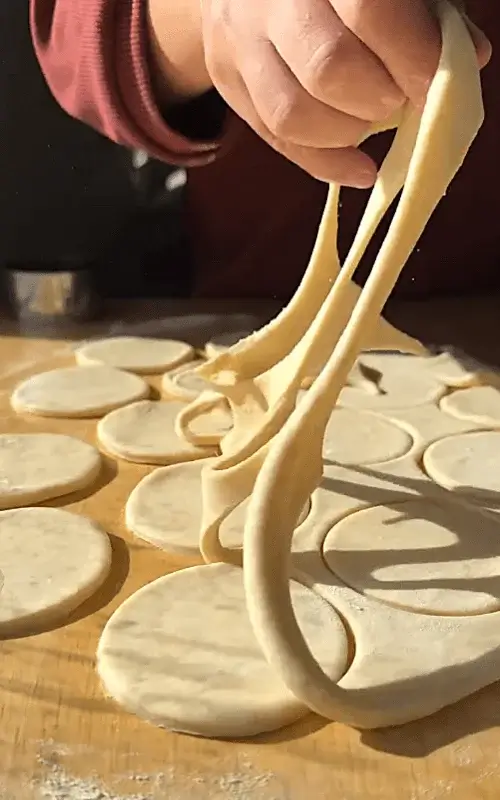
The ideal dough texture in a cheese bourekas recipe is smooth, cohesive, and slightly soft without being sticky. When properly mixed, the dough should come together just enough to form a uniform mass, with visible butter pieces fully incorporated but not overworked. Overmixing develops gluten excessively, resulting in a tougher pastry rather than a tender, flaky one.
The inclusion of sour cream and butter creates a rich dough that should feel pliable and easy to roll after resting. Chilling for 30 minutes is essential, as it allows the fat to firm up and the gluten to relax, making the dough easier to handle and less prone to shrinking. When rolled out, it should not crack or stick excessively to the surface.
How do you know when bourekas are fully baked?
The exterior should be evenly golden brown, with slightly deeper color at the edges where the cheese may caramelize. This caramelization is a sign that the sugars and proteins in the cheese have undergone proper browning, contributing to flavor development. The bottom of the bourekas should also be firm and lightly browned, indicating that the dough has cooked through and is not underbaked.
If lifted, the pastry should feel crisp rather than soft or doughy. Baking time typically falls within 25 to 30 minutes at 350°F, but oven variation and size differences may require slight adjustments. If necessary, rotating the tray halfway through baking ensures even color.
How does sour cream affect texture in a cheese bourekas recipe?
Sour cream plays a functional role in a cheese bourekas recipe by contributing both moisture and fat, which directly influence dough tenderness. Its acidity helps weaken gluten development, resulting in a softer, more delicate pastry that is easier to roll and less prone to shrinkage during baking. The fat content adds richness and improves mouthfeel, while the water content hydrates the flour without making the dough overly sticky.
This balance is important because it allows the dough to remain workable while still producing a tender final texture. Sour cream also contributes slight tanginess, which subtly enhances the overall flavor profile and balances the richness of the cheese filling. Without it, the dough would rely solely on butter for tenderness, which can produce a less balanced structure.
How do you achieve a flaky texture in a cheese bourekas recipe without using puff pastry?
Achieving a flaky texture in a cheese bourekas recipe without puff pastry depends on proper fat distribution and minimal gluten development. The cold butter must be incorporated into the dough in small pieces so that, during baking, it melts and creates steam pockets, which form layers. Keeping all ingredients cold is essential to prevent the butter from fully blending into the flour, which would result in a dense texture.
The dough should be mixed just until it comes together; overmixing develops gluten and reduces tenderness. Resting the dough in the refrigerator allows the fat to firm up and the gluten to relax, improving both texture and workability. Rolling the dough evenly ensures consistent baking and prevents dense spots.
Why does the dough need to rest in the refrigerator?
Refrigerating the dough is a critical step in a cheese bourekas recipe because it directly affects both texture and handling. During mixing, gluten begins to develop, which can make the dough elastic and resistant to rolling. Resting allows the gluten strands to relax, making the dough easier to roll out thinly without shrinking back.
At the same time, the butter in the dough firms up, which is essential for creating a tender, slightly flaky texture during baking. If the dough is too warm, the butter will soften and blend into the flour, eliminating the potential for light layering. Additionally, chilled dough is less sticky, reducing the need for excess flour during rolling, which can otherwise toughen the pastry.
How do you balance salt levels in a cheese bourekas recipe?
Balancing salt in a cheese bourekas recipe requires understanding the natural salinity of each cheese component rather than simply adding seasoning at the end. Feta cheese is typically the primary salt contributor, while cottage cheese and mozzarella are relatively mild. Because feta can vary significantly in salt intensity depending on brand and brining, it should be tasted before final seasoning adjustments.
Black pepper and lemon zest help enhance perceived flavor without increasing sodium levels, allowing salt to be moderated more precisely. It is generally better to under-season slightly before baking and adjust through cheese selection rather than adding excess salt directly to the mixture. Over-salting cannot be corrected once baked, as the salt concentrates during moisture loss.

What is the best way to reheat bourekas while maintaining crispness?
The oven is the preferred method, as it reactivates the crust and evaporates any moisture that may have accumulated during storage. Preheat the oven to 325°F to 350°F and place the bourekas directly on a baking sheet or rack to allow even air circulation. Heating for 8 to 12 minutes is typically sufficient, depending on size and whether they were refrigerated or frozen.
Avoid microwaving, as it traps steam and softens the pastry, resulting in a soggy exterior. If reheating from frozen, a slightly longer bake at a moderate temperature ensures the filling heats through without burning the crust. Using a convection setting can further improve crispness by circulating hot air.
Can you substitute the cheeses in a cheese bourekas recipe?
Cheese substitutions in a cheese bourekas recipe are possible, but they must be made with attention to moisture, fat content, and salt levels. The goal is to replicate the functional roles of each cheese rather than simply replacing them by weight. For example, ricotta can substitute cottage cheese, but it should be well-drained to avoid excess moisture.
A firm, salty cheese like Bulgarian cheese or even a mild goat cheese can replace feta, provided the salt level is adjusted accordingly. For meltability, low-moisture mozzarella or similar semi-hard cheeses work best; overly soft cheeses may not provide the same stretch or structure. Avoid cheeses that release excessive oil, as they can make the filling greasy and destabilize the pastry.