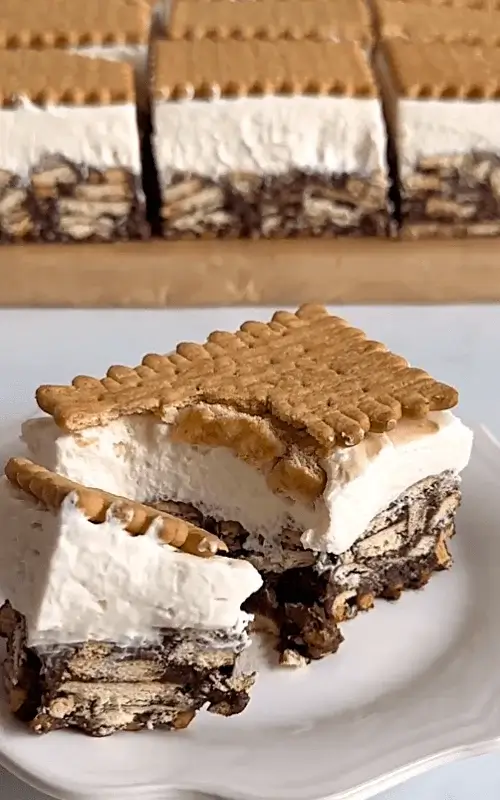
Frozen Mocha Bars with Coffee-Dipped Biscuits
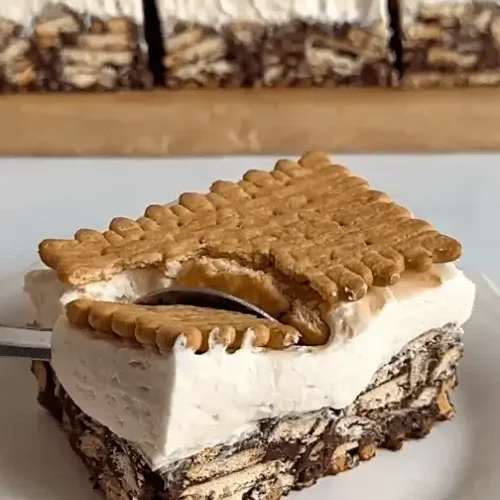
Watch the Full Step-by-Step
- 9-inch (23×23-cm) square baking pan
- Heatproof bowl
- Mixing bowls
- Hand mixer
- Chef's knife
INGREDIENTS
Base and top:
- 24 petit beurre-style biscuits or graham crackers
- 1 cup brewed coffee, cooled
Coffee layer:
- 7 ounces/200 grams milk chocolate, finely chopped
- 3.5 ounces/100 grams unsalted butter, cubed
- 1 teaspoon instant espresso powder
- 2 tablespoons granulated sugar
- 1 cup/240 grams heavy cream, heated
- 10.5 ounces/300 grams petit beurre biscuits or graham crackers, coarsely crushed
- 2 tablespoons unsweetened cocoa powder
Vanilla cream layer:
- 2 cups/480 grams cold heavy cream
- 2.8 ounces/80 grams instant vanilla pudding mix
- 4 tablespoons confectioners’ sugar
- 1 teaspoon vanilla extract
- ½ teaspoon instant espresso powder, optional

INSTRUCTIONS
- Line a 9-inch (23×23-cm) square pan with parchment paper, leaving enough overhang to lift the bars out later.
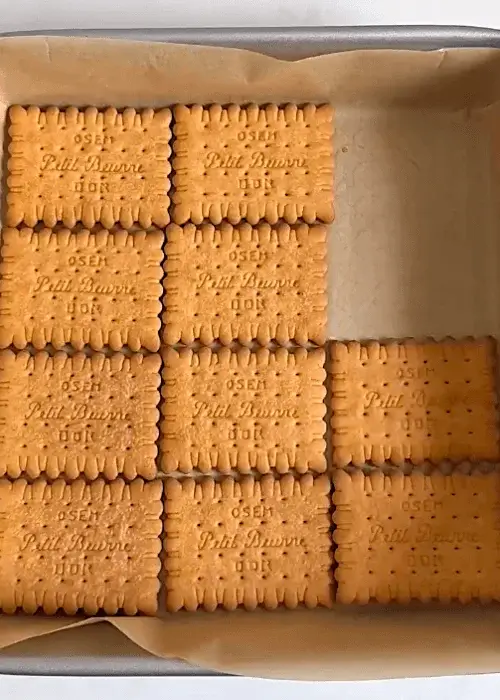
- Briefly dip half the biscuits in the coffee and arrange in an even layer in the bottom of the pan.
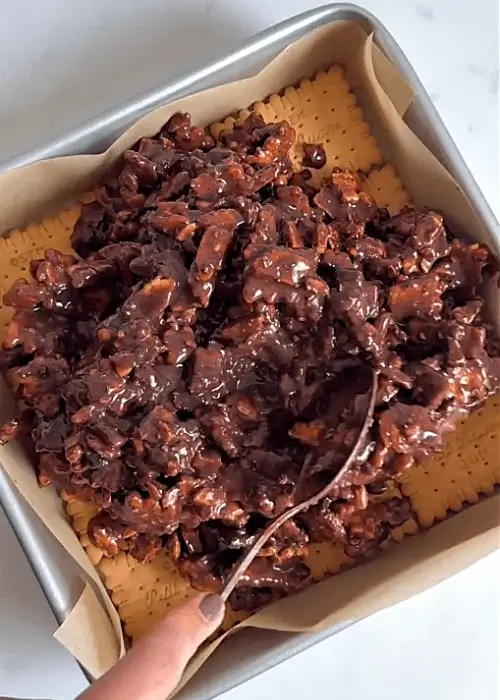
- Place the chocolate, butter, espresso powder, and sugar in a large bowl. Pour the hot cream over the mixture and let sit for 1 minute, then stir until smooth and glossy. Fold in the crushed biscuits and cocoa powder until evenly combined.
- Spread the chocolate mixture over the biscuit layer in an even layer.
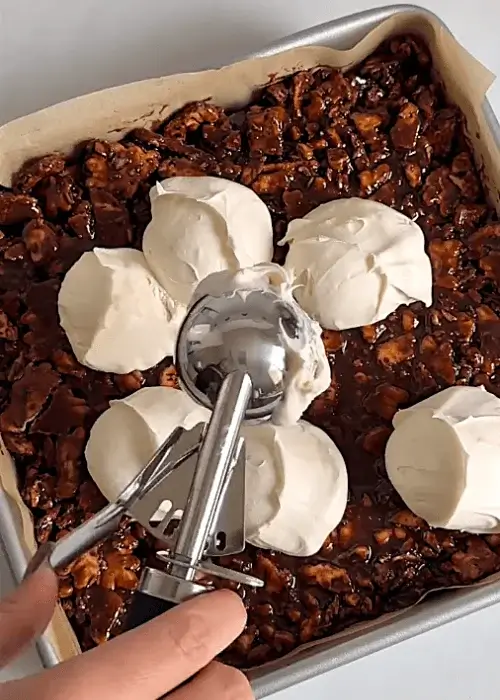
- Using a hand mixer or stand mixer, whip the heavy cream, pudding mix, confectioners’ sugar, vanilla, and espresso powder, if using, until thick, smooth, and spreadable.
- Spread the cream evenly over the chocolate layer. Dip the remaining biscuits in coffee and arrange over the top.
- Freeze until firm enough to slice cleanly, about 2 hours. For a softer, cake-like texture, transfer to the refrigerator 20 minutes before serving. Keep frozen for a firmer, ice cream-style texture.
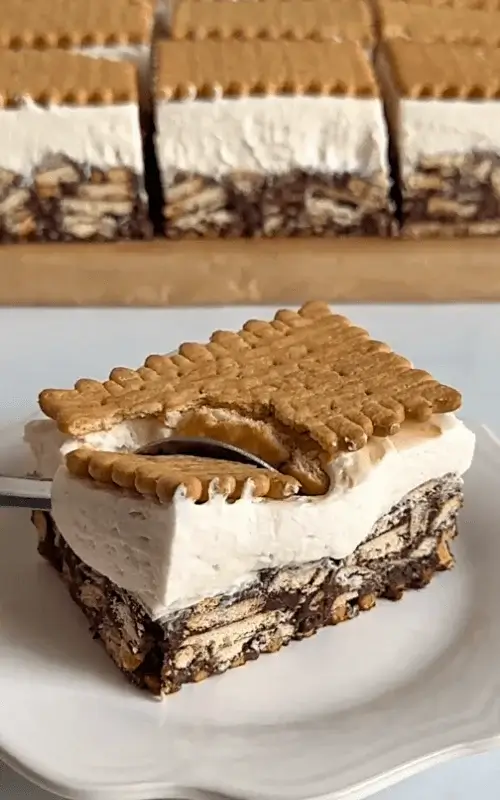
FAQ
What type of biscuits work best for mocha bars?
The best biscuits for mocha bars are plain, dry, and mildly sweet varieties such as Marie biscuits, Petit Beurre-style biscuits, or graham crackers. These types are structurally stable and absorb coffee without disintegrating too quickly, which is essential for maintaining layers. Their neutral flavor allows the mocha and chocolate components to remain dominant.
Soft or heavily flavored cookies are not ideal because they either become mushy when dipped in coffee or compete with the intended mocha profile. In mocha bars, biscuits serve two roles: a structural base and a textural contrast inside the chocolate layer. Crushing some biscuits into the chocolate mixture adds body and chew, while whole coffee-dipped biscuits provide defined layers.
How strong should the coffee flavor be in mocha bars?
The coffee in mocha bars should be noticeable but not overpowering, functioning as a flavor enhancer rather than a dominant taste. Typically, brewed coffee used for dipping biscuits should be medium-strength, similar to standard drip coffee, not espresso concentrate. Inside the chocolate layer, a small amount of instant coffee or espresso powder is sufficient to deepen cocoa flavor and create a mocha profile without bitterness.
The goal is to amplify chocolate rather than create a coffee-forward dessert. If the coffee is too strong, it can overwhelm the cream layer and make the bars taste harsh after freezing, since cold temperatures dull sweetness perception. Properly balanced mocha bars should taste primarily like rich chocolate with a subtle roasted coffee finish that lingers after each bite rather than hitting immediately.
What causes mocha bars to become too soft or collapse after slicing?
Mocha bars typically become too soft or collapse when the fat structure has not properly set or when the ratio of cream to chocolate is unbalanced. The most common issue is insufficient chilling time, which prevents the chocolate ganache layer from fully crystallizing. In mocha bars, both butter and chocolate must solidify in the refrigerator or freezer to create a stable matrix that holds the crushed biscuits and cream layer in place.
If the cream layer is over-whipped or under-stabilized, it can also weep moisture, which softens adjacent layers. Another frequent cause is using too much hot cream in the chocolate mixture, which increases the fat-to-liquid ratio beyond what can properly set.
What causes the biscuit layers to become soggy or disintegrate?
Soggy biscuit layers in mocha bars are typically caused by excessive liquid absorption from either the coffee dip or the chocolate mixture. Biscuits are porous and will continue absorbing moisture after assembly, so over-soaking during dipping is a common mistake. If the coffee is too hot, it accelerates absorption and breaks down the starch structure, causing the biscuits to collapse before the bars are even assembled.
Another factor is imbalance in the chocolate layer; if it is too loose or contains excess cream, moisture migrates downward into the biscuit base during chilling. In properly made mocha bars, the biscuits should be dipped briefly—just enough to soften the surface—while maintaining internal structure. Once frozen or well-chilled, the moisture distribution stabilizes, preventing further breakdown and preserving distinct layers.
Can mocha bars be made without instant pudding in the cream layer?
Mocha bars can be made without instant pudding, but the texture of the cream layer will change significantly. Instant pudding mix acts as a stabilizer, thickening the whipped cream so it holds shape after freezing and slicing. Without it, the cream layer will remain lighter and more mousse-like, which can be pleasant but less structured. If omitted, additional stabilization methods are needed, such as increasing whipping time to medium-stiff peaks or incorporating gelatin for firmness.
However, gelatin alters mouthfeel and requires careful blooming and heating. In mocha bars, the goal is a sliceable cream layer that contrasts with the dense chocolate base, so removing pudding mix requires compensating for stability. Otherwise, the cream may compress under the top biscuit layer and reduce the defined layering effect that characterizes well-made mocha bars.
What is the best way to cut the bars cleanly without cracking or smearing?
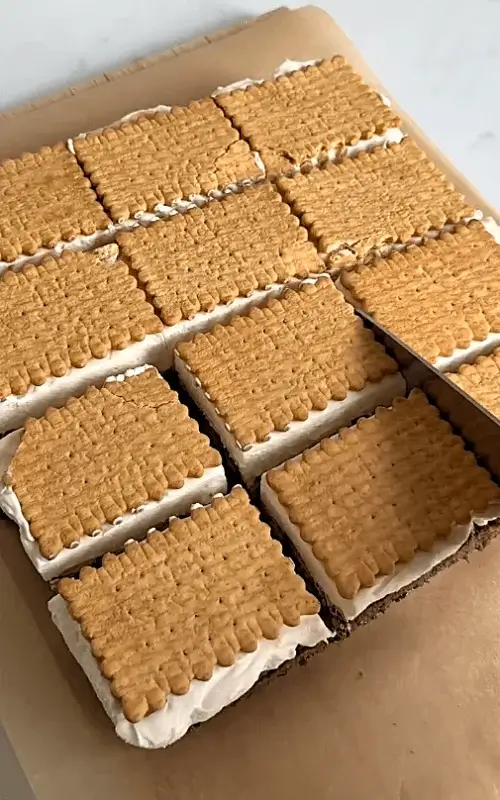
Clean slicing of mocha bars depends on temperature control and blade preparation. The bars should be chilled until firm but not rock solid, as overly frozen layers can crack under pressure. A long, sharp knife should be used, ideally warmed in hot water and wiped dry before each cut. This allows the blade to glide through the chocolate layer without dragging the cream or crushing the biscuit base.
Between cuts, the knife should be cleaned to prevent buildup of softened filling. The structure of mocha bars benefits from short, decisive downward cuts rather than sawing motions, which can distort layers. Properly set bars should yield distinct strata with visible separation between biscuit, chocolate, and cream layers, maintaining clean edges and minimal smearing when sliced correctly.
What is the ideal texture for properly set mocha bars?
Properly set mocha bars should have three distinct textures that remain stable when sliced. The bottom biscuit layer should be slightly softened from the coffee but still structurally intact, providing a firm base that does not disintegrate under pressure. The middle mocha chocolate layer should be dense, fudgy, and slightly chewy, similar to a firm ganache mixed with cookie crumbs.
It should hold its shape cleanly when cut without oozing or cracking. The top cream layer should be light, smooth, and stable enough to maintain clean edges, but soft enough to contrast the denser layers beneath. When eaten, mocha bars should not feel icy or brittle; instead, they should soften slightly at room temperature, creating a balanced bite of creamy, chocolate-rich, and coffee-infused elements that remain distinct but cohesive.
Why does the chocolate layer sometimes turn grainy?
A grainy texture in the chocolate layer of mocha bars is usually caused by improper emulsification during the ganache process. When hot cream is poured over chocolate and butter, the mixture must be whisked gently but thoroughly to form a stable emulsion. If the cream is too hot or added too quickly, the fat can separate from the cocoa solids, leading to a split or grainy texture.
Another cause is insufficient mixing or introducing cold ingredients too early, which prevents full melting of the chocolate. In mocha bars, the addition of crushed biscuits can also contribute to perceived graininess if the chocolate base is not fully smooth before folding.