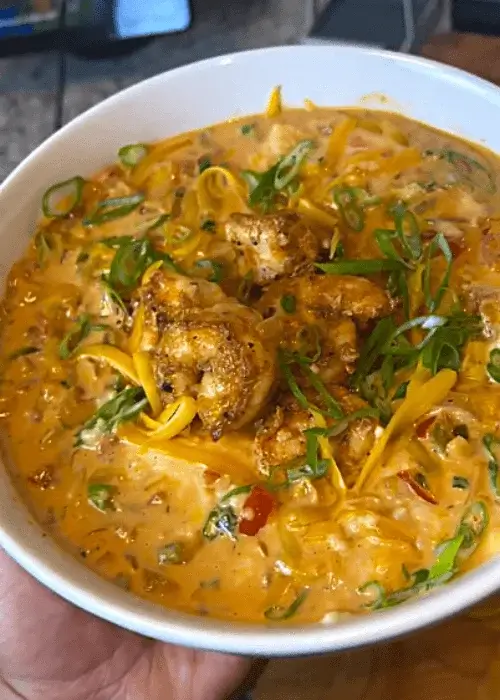
Creamy Cajun Shrimp and Grits Recipe
Watch the Full Step-by-Step
- Large pot
- Large skillet
- Chef's knife
INGREDIENTS
- 4 cups water
- 1 cup/160 grams stone-ground grits
- ½ cup heavy cream
- 1 cup/115 grams sharp cheddar cheese, grated, plus more for serving
- 1 pound/450 grams large shrimp, peeled and deveined
- 1 tablespoon neutral oil
- 2 tablespoons olive oil
- 1 teaspoon salt, plus more as needed
- 1 teaspoon black pepper, plus more for serving
- 1 teaspoon onion powder
- 1 teaspoon garlic powder
- 1 teaspoon paprika
- ½ teaspoon cayenne pepper
- 1 small yellow onion, finely chopped
- 1 bell pepper, finely chopped
- 1 jalapeño, finely chopped
- 2 tablespoons tomato paste
- 3 garlic cloves, finely chopped
- 1 teaspoon Cajun seasoning, plus more for grits
- 2 scallions, thinly sliced

INSTRUCTIONS
- Bring the water to a boil in a medium saucepan. Slowly whisk in the grits and reduce the heat to low. Cook, stirring occasionally, until tender and creamy, 25 to 30 minutes.
- Stir in the heavy cream and cheddar. Season with Cajun seasoning and black pepper. Keep warm.
- Season the shrimp with salt, black pepper, onion powder, garlic powder, paprika, and cayenne. Toss with neutral oil.
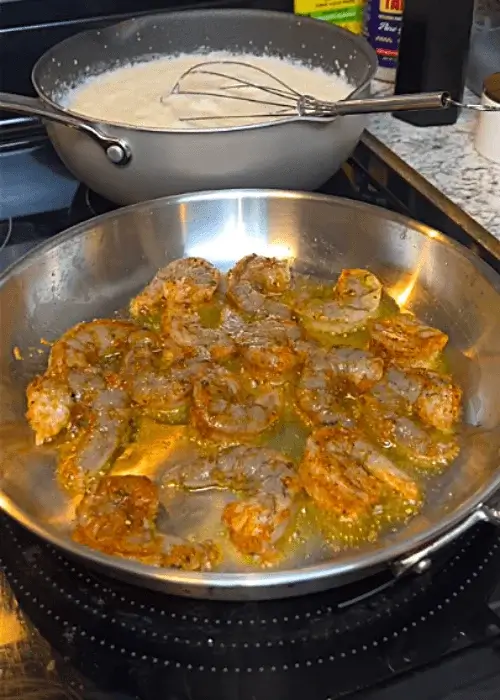
- Heat the olive oil in a large skillet over medium-high heat. Add the shrimp and cook until browned and just cooked through, about 2 minutes per side. Transfer to a plate.
- Add the onion, bell pepper, and jalapeño to the skillet. Cook until softened, about 5 minutes. Stir in the tomato paste and garlic and cook until fragrant, 1 minute.
- Add the heavy cream and simmer until the sauce thickens slightly, 3 to 5 minutes. Season with Cajun seasoning and salt.
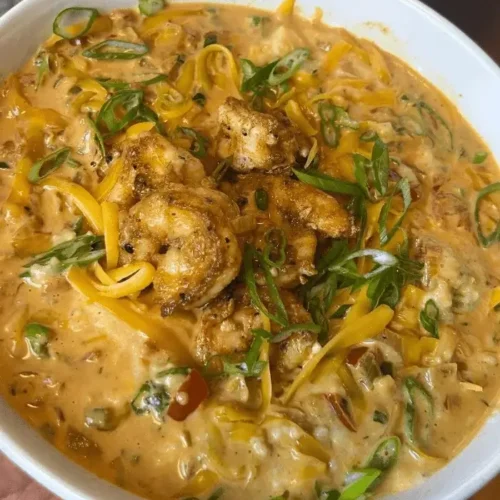
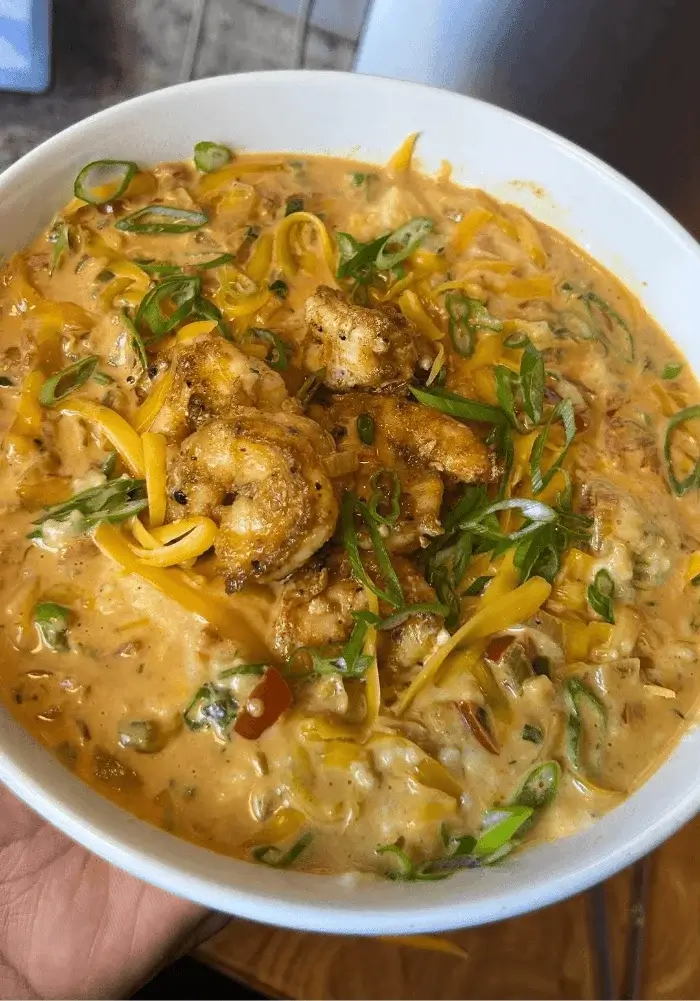
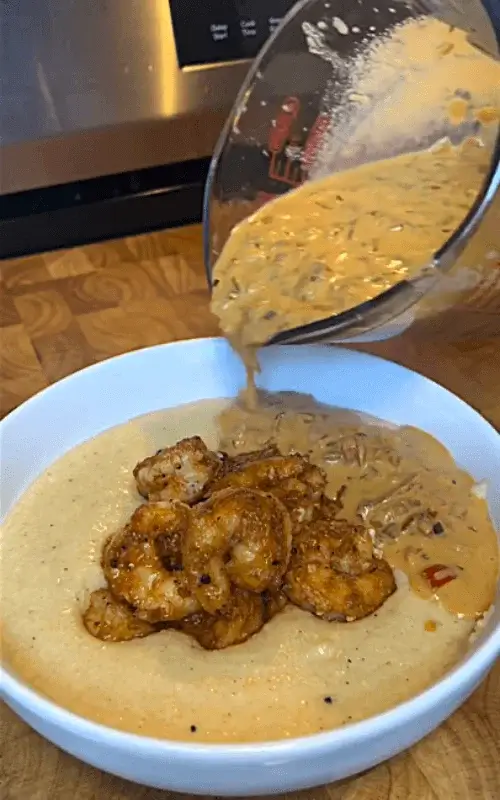
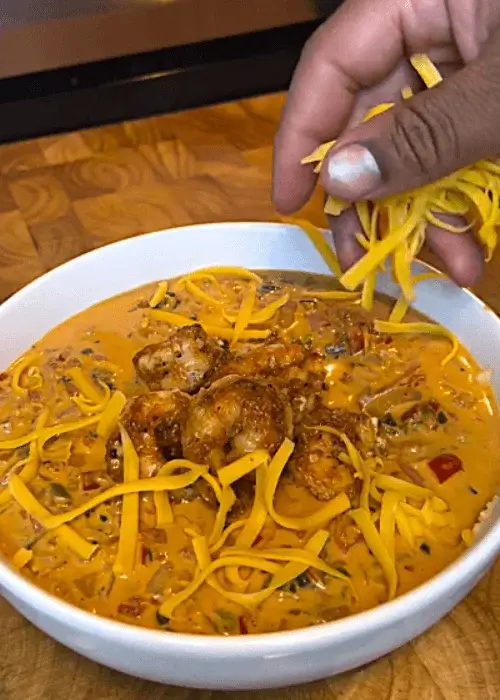
- Divide the grits among bowls. Top with shrimp and spoon the sauce over the top. Finish with cheddar and scallions.
FAQ
What makes shrimp and grits creamy and not grainy?
Creaminess in this Cajun shrimp and grits recipe comes from starch release in the grits combined with fat from dairy. Stone-ground grits need slow hydration and steady stirring so the starch granules swell evenly instead of clumping. The key is adding the grits gradually into boiling water while whisking, then lowering the heat so they simmer gently rather than boil aggressively.
Finishing with heavy cream and sharp cheddar adds emulsified fat, which coats the starch and smooths texture. Graininess usually comes from undercooked grits or insufficient liquid absorption time. A proper low simmer of 25 to 30 minutes ensures full gelatinization of starch. Stirring occasionally rather than constantly helps prevent sticking without breaking down the structure too much, maintaining a velvety consistency.
Why do grits clump while cooking and how can it be prevented?
Clumping in grits occurs when starch is introduced too quickly to water that is not fully boiling or when insufficient stirring prevents even hydration. In this Cajun shrimp and grits recipe, clumps form when dry grits hit liquid unevenly, causing outer starch layers to gelatinize before the interior hydrates. To prevent this, grits should be slowly whisked into vigorously boiling salted water in a steady stream.
Continuous whisking during the first few minutes is critical to break up starch clusters before they set. Once incorporated, reducing the heat to a gentle simmer and stirring occasionally prevents sticking without overworking the mixture. Proper liquid ratios and gradual incorporation are key to achieving smooth, creamy texture.
Can I use quick grits instead of stone-ground grits?
Quick grits can be used in this Cajun shrimp and grits recipe, but the texture and flavor will be noticeably different. Stone-ground grits retain the whole kernel, which gives a deeper corn flavor and more natural creaminess when cooked slowly. Quick grits are pre-processed, so they hydrate faster and produce a smoother but more uniform, slightly less complex texture.
If substituting, reduce cooking time significantly, typically to 5 to 10 minutes, and monitor liquid levels closely to avoid over-thickening. You may also need slightly less liquid overall since quick grits absorb differently. The final dish will still be creamy when finished with heavy cream and cheddar, but it will lack some of the rustic texture that defines traditional shrimp and grits.
What type of skillet is best for cooking Cajun shrimp and grits?
A heavy-bottomed stainless steel or cast-iron skillet works best for this Cajun shrimp and grits recipe because both retain and distribute heat evenly, which is essential for proper searing and sauce development. Stainless steel is especially useful for building fond, the browned bits that form after cooking shrimp and vegetables, which directly enhance the flavor of the sauce.
Cast iron provides strong heat retention, which helps maintain consistent sautéing temperatures when adding aromatics and simmering cream. Nonstick pans are less ideal because they limit browning and prevent proper fond formation. The goal is controlled high heat for shrimp searing and steady medium heat for sauce reduction, both of which are easier to manage with heavier cookware.
How do I prevent shrimp from overcooking?
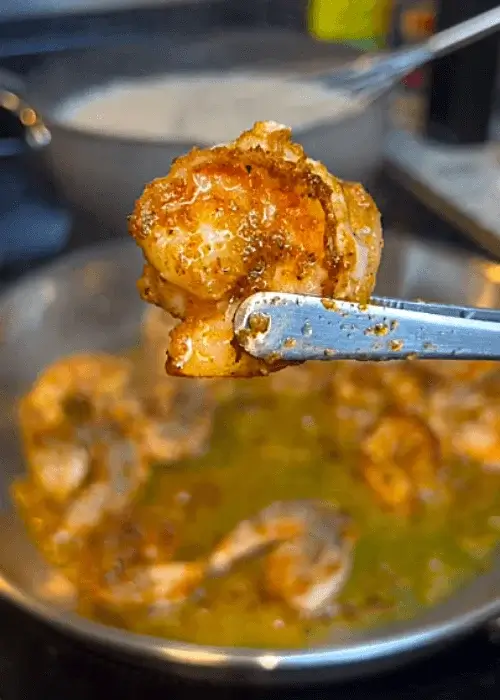
Preventing overcooked shrimp in this Cajun shrimp and grits recipe comes down to timing, heat control, and carryover cooking awareness. Shrimp cook very quickly and are done as soon as they turn opaque and form a loose C-shape. In a hot skillet, this typically takes about 2 minutes per side depending on size. Cooking beyond that leads to a rubbery texture because the proteins tighten and expel moisture.
It is important to remove shrimp from the pan immediately once cooked, even if the sauce is still being developed. They can be returned briefly at the end if needed to reheat. Using medium-high heat ensures proper searing without steaming, and patting shrimp dry before cooking improves browning, reducing total cook time and improving control.
What is the best way to reheat shrimp and grits without ruining texture?
Reheating shrimp and grits requires separating components when possible to preserve texture. In this Cajun shrimp and grits recipe, grits should be reheated slowly over low heat with a splash of water, milk, or cream to restore their creamy consistency, as they will solidify when chilled. Stir frequently to break up any clumps.
Shrimp should be reheated very gently, ideally by warming them briefly in the sauce over low heat for just a minute or two. Overheating shrimp causes them to become rubbery, so minimal heat exposure is essential. If stored together, the dish can still be reheated, but quality is improved when grits and shrimp are warmed separately before recombining.
How do you build flavor in the Cajun cream sauce?
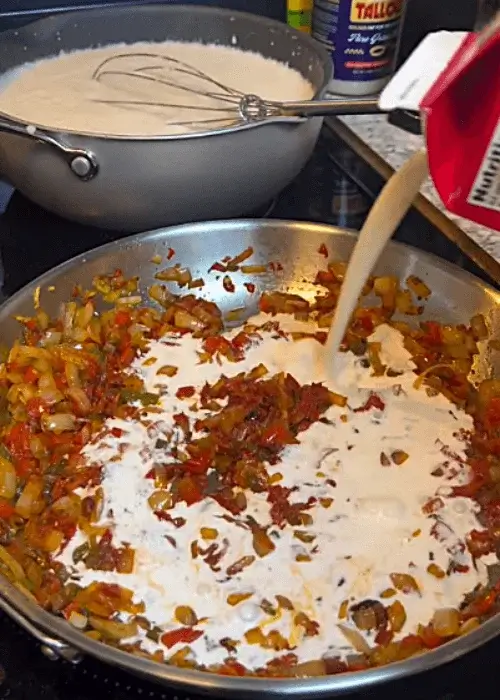
Flavor in the Cajun cream sauce develops in layers, starting with the fond left in the skillet after cooking the shrimp. That browned residue carries concentrated seasoning and seafood flavor. Sautéing onions, bell peppers, and jalapeño in the same pan builds a sweet and spicy base, while tomato paste adds umami depth when cooked until slightly darkened.
Garlic adds aromatic sharpness, and Cajun seasoning reinforces the spice profile. Heavy cream is added last to emulsify everything into a cohesive sauce. Simmering gently for a few minutes thickens the sauce and allows flavors to meld, resulting in a balanced, rich coating for both shrimp and grits in this Cajun shrimp and grits recipe.
Can I use frozen shrimp in this Cajun shrimp and grits recipe?
Yes, frozen shrimp work well in this Cajun shrimp and grits recipe, provided they are fully thawed and properly dried before cooking. Shrimp are often frozen shortly after being harvested, so quality can be very high. The key issue is excess surface moisture, which prevents proper searing and can lead to steaming instead of browning.
Thaw shrimp overnight in the refrigerator or under cold running water, then pat them completely dry with paper towels. This step ensures the seasoning adheres and allows the shrimp to develop light caramelization in the pan. Cooking time remains short, about 2 minutes per side, and should not be extended even if starting from previously frozen shrimp.
Can this Cajun shrimp and grits recipe be made ahead of time?
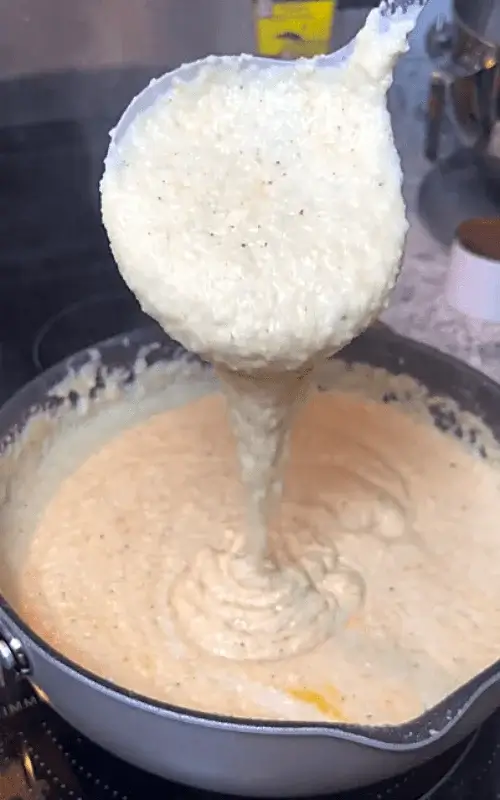
This Cajun shrimp and grits recipe can be partially prepared ahead, but not fully assembled for best texture. The grits can be cooked in advance and stored with a little extra cream or water to loosen them when reheated, since they naturally firm up as they cool. The Cajun cream sauce can also be made ahead and gently reheated on the stove.
Shrimp should ideally be cooked fresh, since reheating can make them rubbery and overcooked quickly. If necessary, you can undercook them slightly and finish reheating in the sauce for a short time. Full assembly right before serving ensures the best contrast between creamy grits and tender shrimp.
How spicy should Cajun shrimp and grits be?
Spice level in Cajun shrimp and grits is adjustable, but it should enhance rather than overwhelm the dish. In a balanced Cajun shrimp and grits recipe, heat typically comes from cayenne pepper, jalapeño, and Cajun seasoning, which combines multiple spices including paprika, garlic, and black pepper. The goal is a warming heat that builds gradually rather than an immediate burn.
For mild versions, reduce or omit cayenne and use only a small amount of jalapeño. For medium heat, follow the recipe proportions as written. For higher heat, increase cayenne or add hot sauce at the end. Proper balance is important because excessive heat can mask the creaminess of the grits and the natural sweetness of the shrimp.
How do I know when shrimp are perfectly cooked?
Shrimp are perfectly cooked in this Cajun shrimp and grits recipe when they turn opaque with a light pink color and form a loose C-shape. Overcooked shrimp curl tightly into an O-shape and become firm and rubbery. The texture should be tender and slightly springy, not tough or dry. Cooking time is typically 2 minutes per side depending on size, but visual cues are more reliable than timing alone.
The surface should look lightly seared but not dry or leathery. Removing shrimp from heat immediately once they reach doneness is essential because residual heat continues cooking them. Resting them briefly before serving also helps redistribute internal moisture for better texture.
What vegetables work best in shrimp and grits?
Classic vegetables for shrimp and grits, especially in a Cajun shrimp and grits recipe, include onion, bell pepper, and jalapeño, which form a traditional aromatic base similar to Cajun and Creole cooking foundations. Onion provides sweetness and body, bell pepper adds mild vegetal depth, and jalapeño introduces controlled heat without overpowering the dish.
These vegetables soften into the sauce and help build structure and flavor balance. Additional options include celery for more Creole-style mirepoix depth or scallions added at the end for freshness. It is important not to overload the dish with vegetables, as shrimp and grits relies on a creamy, rich sauce and should remain centered on the shrimp and grits rather than becoming vegetable-heavy.
What is the difference between Cajun and Creole shrimp and grits?
Cajun and Creole styles differ primarily in ingredients and culinary influence, even though they often overlap in shrimp and grits. Cajun cooking is traditionally rural Louisiana cuisine that relies on bold seasoning, paprika-heavy spice blends, and simpler ingredient structures. Creole cooking is more urban and historically influenced by French, Spanish, and African cuisines, often incorporating tomatoes, butter, and more complex sauces.
In a Cajun shrimp and grits recipe, you typically see stronger spice emphasis, black pepper heat, and straightforward cream-based sauces. Creole versions may include more tomato-forward sauces or a roux base. Both approaches use shrimp and grits, but Cajun leans more rustic and spice-driven, while Creole tends to be richer and more layered.
Why do shrimp turn rubbery when cooked too long?
Shrimp become rubbery due to protein denaturation and moisture loss when exposed to heat for too long. In this Cajun shrimp and grits recipe, shrimp cook very quickly because their muscle fibers are fine and low in connective tissue. Once heat is applied, the proteins tighten and expel water; if cooking continues past the point of opacity and a loose C-shape, the structure becomes overly tight and chewy.
High heat accelerates this process, which is why shrimp are typically cooked in 2-minute intervals per side. Removing them from the pan as soon as they are done and avoiding prolonged reheating in the sauce helps preserve tenderness. Carryover heat should also be considered, since shrimp continue to cook slightly after leaving the skillet.
Can I make this Cajun shrimp and grits recipe without dairy?
Yes, the Cajun shrimp and grits recipe can be adapted without dairy, but the texture and flavor profile will change. The cream and cheddar provide richness, emulsification, and body to the grits and sauce. Without them, grits should be finished with alternatives such as olive oil, coconut milk, or dairy-free butter substitutes to maintain creaminess.
Nutritional yeast or plant-based cheese can mimic some of the savory depth of cheddar, though not perfectly. For the sauce, coconut cream or unsweetened oat cream can replace heavy cream while still offering viscosity. The key is balancing fat and starch so the grits do not become dry or grainy while maintaining the Cajun spice structure of the dish.