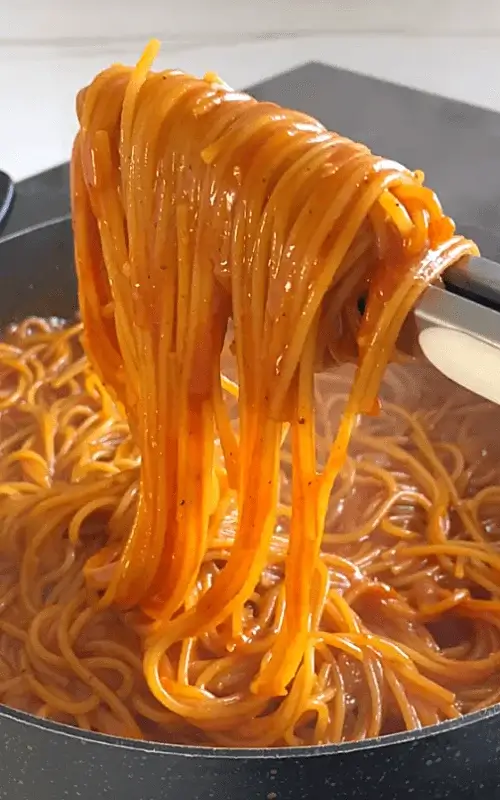
Easy One-Pot Kids Spaghetti
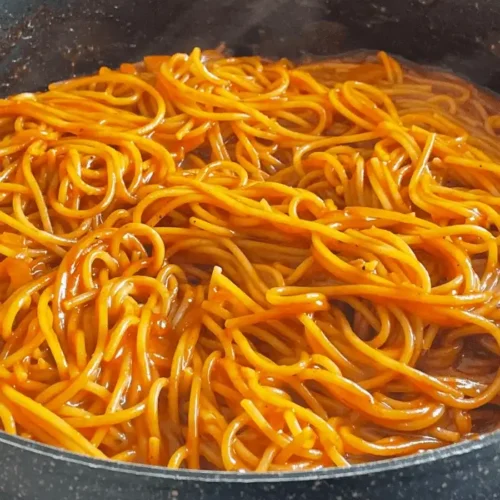
Watch the Full Step-by-Step
- Large pot with lid
- Chef's knife
INGREDIENTS
- 1 medium yellow onion, finely chopped
- 2 tablespoons olive oil
- 2 tablespoons sweet paprika
- 2 tablespoons natural chicken bouillon powder
- ½ teaspoon ground turmeric
- ½ teaspoon black pepper
- 1 heaping teaspoon salt
- 1 tablespoon sugar
- 12 ounces/340 grams tomato paste
- 1 teaspoon crushed garlic
- 5 to 6 cups water
- 16 ounces/450 grams spaghetti

INSTRUCTIONS
- Heat the olive oil in a large pot over medium-high heat. Add the onion and cook, stirring occasionally, until softened and golden, 8 minutes.
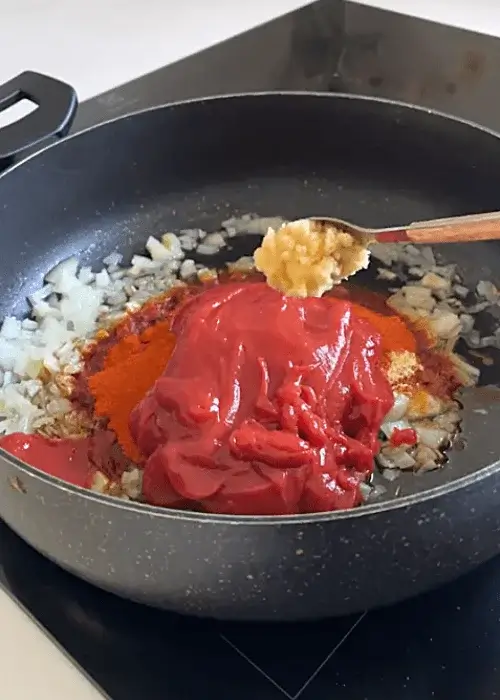
- Lower the heat a bit and stir in the paprika, chicken bouillon, turmeric, pepper, salt, sugar, tomato paste, and garlic. Cook, stirring constantly, until the tomato paste darkens slightly and the spices are fragrant, about 2 minutes.
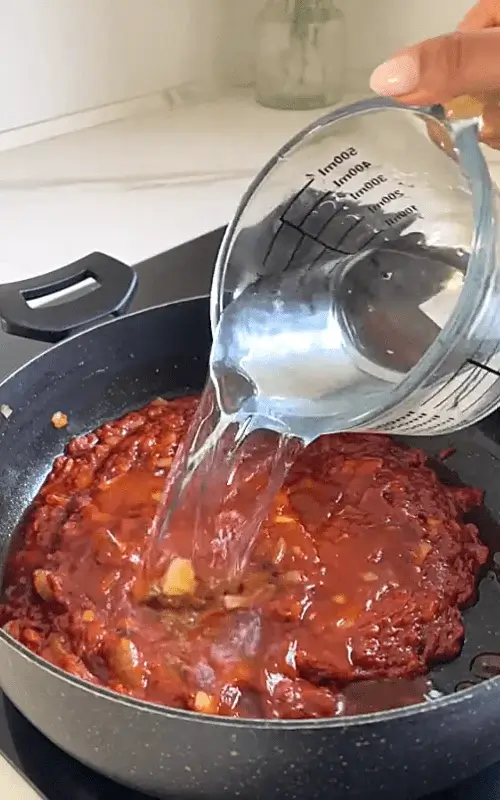
- Pour in the water, cover, and bring to a boil.
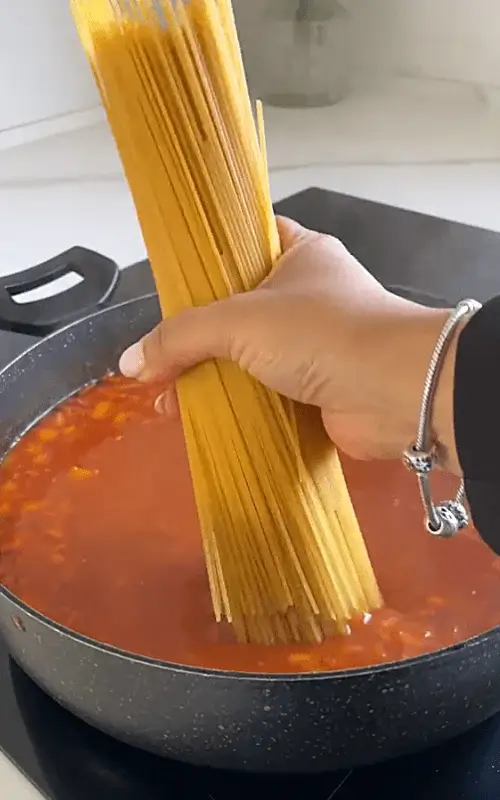
- Add the spaghetti, pressing it into the liquid as it softens. Cover and cook, stirring occasionally to prevent sticking, until the pasta is nearly tender and most of the liquid has been absorbed, 10 to 12 minutes.
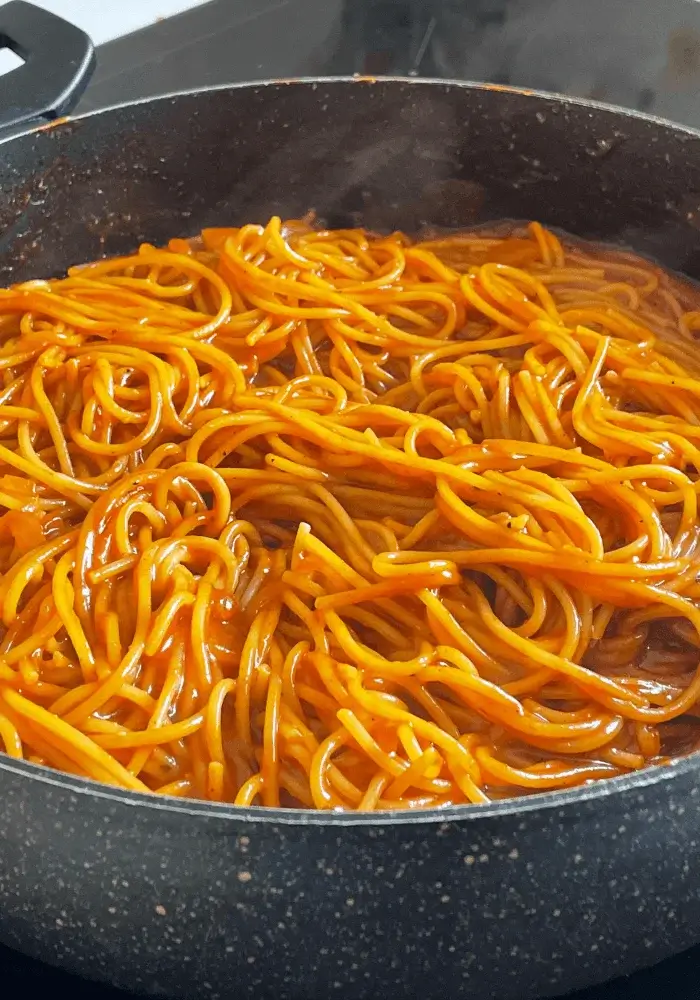
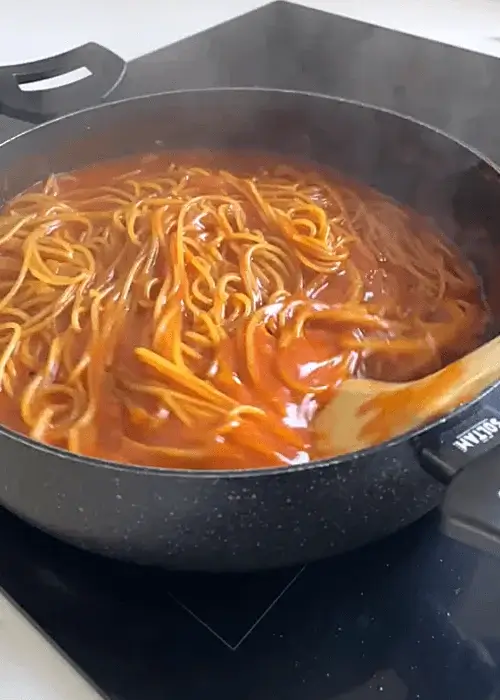
- Turn off the heat while a small amount of liquid remains in the pot. Cover and let the spaghetti stand for 10 minutes. The remaining liquid will be absorbed, leaving the pasta coated in a rich, silky sauce. Serve immediately.
FAQ
Why is the spaghetti cooked directly in the sauce?
Cooking the pasta directly in the sauce is what gives kids spaghetti its distinctive texture and concentrated flavor. As the spaghetti cooks, it releases starch into the liquid, naturally thickening the sauce without requiring flour or cream. At the same time, the pasta absorbs the seasoned cooking liquid, so every strand is infused with tomato, paprika, garlic, and chicken bouillon.
This method also reduces the number of pots needed, making cleanup easier. It is important to stir the pasta occasionally while it cooks so the strands separate and do not stick together. Turning off the heat while a small amount of liquid remains allows the pasta to finish cooking gently during the resting period, resulting in a smooth, evenly coated sauce.
Why is my kids spaghetti sauce too watery?
A watery kids spaghetti sauce usually means there is more liquid remaining than the pasta can absorb. Since the spaghetti cooks directly in the sauce, the amount of liquid should gradually decrease as the noodles soften. If the sauce is still thin after the resting period, remove the lid and cook the spaghetti over low heat for a few minutes, stirring gently, until the excess liquid evaporates.
Avoid adding extra tomato paste immediately because the sauce will continue thickening as it cools slightly. Measuring the water accurately and using the correct amount of spaghetti will help maintain the intended consistency.
How long does kids spaghetti last in the fridge?
Up to 4 days when kept in an airtight container. Allow the spaghetti to cool before storing it, but do not leave it at room temperature for more than 2 hours. As the pasta sits, it continues absorbing the sauce, so the texture may become slightly thicker over time. When reheating, add a small splash of water and stir gently to loosen the sauce. Reheat only the portion you plan to eat to maintain the best texture.
Can I use a different type of pasta for this recipe?
Spaghetti is ideal because it gradually softens into the liquid and cooks evenly while absorbing the sauce. Other long shapes such as linguine, fettuccine, or bucatini can also be substituted with similar cooking times. Short pasta shapes like penne, rotini, or fusilli will work, but they may require slightly different amounts of water and cooking time because they absorb liquid differently.
Regardless of the pasta shape, monitor the liquid level during cooking and stir occasionally to prevent sticking. If using whole wheat or high-protein pasta, be aware that it may require additional water and a few extra minutes to become tender while maintaining the creamy consistency that defines kids spaghetti.
What type of pot works best for kids spaghetti?
A heavy-bottomed pot with a tight-fitting lid is ideal for kids spaghetti. Heavy cookware distributes heat more evenly, reducing the risk of scorching the tomato paste as it cooks. A pot with enough depth allows the spaghetti to soften gradually without breaking the noodles. Dutch ovens, stainless steel stockpots, and heavy aluminum pots all work well.
How can I make kids spaghetti creamier?
Kids spaghetti develops a naturally silky texture from the starch released by cooking the pasta directly in the sauce. If you want an even creamier version, you can stir in a small amount of grated Parmesan cheese, cream cheese, or shredded mozzarella after cooking.
Add dairy gradually while the pasta is still warm so it melts evenly into the sauce. Another option is to reserve a little of the cooking liquid before serving and stir it in to loosen the sauce. Avoid adding too much dairy, as it can overpower the tomato and paprika flavors that define this recipe.
Can I freeze this kids spaghetti?
Kids spaghetti freezes well for up to 2 months when stored in airtight freezer-safe containers or heavy-duty freezer bags. Allow the pasta to cool completely before freezing to reduce condensation and ice crystal formation. Thaw overnight in the refrigerator for the best texture, then reheat gently with a splash of water to loosen the sauce.
Because the pasta continues absorbing liquid during storage, it may appear thicker after thawing, but adding a little water while reheating restores its consistency. Although frozen kids spaghetti remains flavorful, the texture will be slightly softer than when freshly prepared, which is normal for cooked pasta dishes.
Can I add meat to this recipe?
Ground beef, ground turkey, or ground chicken are excellent additions to kids spaghetti. Brown the meat after cooking the onion, breaking it into small pieces, then continue with the remaining ingredients as directed. Drain excess fat if necessary before adding the tomato paste and seasonings.
Fully cooked shredded chicken or leftover roasted meat can also be stirred into the sauce during the final few minutes of cooking. Adding meat turns kids spaghetti into a complete one-pot meal while maintaining the recipe’s simple preparation.
Can I use tomato puree instead of tomato paste?
Tomato puree can be used, but it will create a different style of sauce. Tomato paste is concentrated and provides a thick, rich flavor that works well with the one-pot cooking method. Tomato puree contains more water and less concentrated tomato flavor, so the final kids spaghetti may be thinner and require longer cooking to reach the same consistency. If using tomato puree, reduce the amount of added water and allow extra time for the sauce to thicken.
How can I keep the spaghetti from sticking together?
The key is to stir the spaghetti several times as it softens and cooks. When the dry pasta is first added to the boiling liquid, only the submerged portion begins cooking, so gently pressing the strands into the pot helps them soften evenly. Stirring every few minutes separates the noodles before excess starch causes them to clump. Maintaining enough cooking liquid throughout the process also prevents sticking.
Once the spaghetti is nearly tender, turn off the heat while a small amount of liquid remains, then let it rest with the lid on. This final resting period allows the pasta to finish absorbing the sauce evenly, producing kids spaghetti with separate strands coated in a smooth, glossy sauce rather than a sticky mass.
Can I use whole wheat spaghetti?
Whole wheat spaghetti can be substituted for regular spaghetti, although it usually requires a little more water and a slightly longer cooking time. Because whole wheat pasta contains more fiber, it absorbs liquid differently and has a firmer texture.
Check the pasta a few minutes before the suggested cooking time on the package and add a splash of hot water if the pot becomes dry before the noodles are tender. The finished kids spaghetti will have a nuttier flavor and a heartier texture while still benefiting from the rich tomato sauce.
Can I make kids spaghetti in an Instant Pot?
Yes, although the liquid ratio and cooking time need to be adjusted. Sauté the onion in olive oil using the sauté function, then add the seasonings, tomato paste, garlic, water, and spaghetti. Break the spaghetti in half if needed so it fits below the liquid.
Cook under pressure for only a few minutes because pasta cooks quickly in a sealed environment. Allow a brief natural pressure release before opening the lid and stirring. Since pressure cooking varies between models, check the pasta texture and adjust the liquid or cooking time if needed.
Can I add vegetables to kids spaghetti?
Mild vegetables blend well into kids spaghetti without changing its familiar flavor. Finely diced carrots, celery, zucchini, or bell peppers can be sautéed with the onion until softened before adding the seasonings. If you’re cooking for picky eaters, the vegetables can be grated or blended into the sauce so they become nearly invisible after cooking.
Mushrooms also work well, adding a savory depth without overpowering the tomato base. Avoid adding vegetables with high water content, such as fresh spinach or tomatoes, until the end of cooking because they can dilute the sauce. If using frozen vegetables, thaw and drain them first to prevent excess liquid from affecting the final consistency.
Why is tomato paste used instead of tomato sauce?
Tomato paste provides a concentrated tomato flavor that creates a rich sauce without adding excess liquid. Because kids spaghetti is cooked directly in water, the tomato paste gradually dissolves and forms the sauce as the pasta cooks.
Cooking the tomato paste briefly with the spices before adding water caramelizes its natural sugars and reduces raw acidity, resulting in a sweeter, deeper tomato flavor. Using tomato sauce instead would produce a thinner consistency and a less concentrated taste, often requiring additional simmering to achieve the same richness.
What can I use instead of chicken bouillon powder in kids spaghetti?
Chicken bouillon powder can be replaced with vegetable bouillon powder, chicken stock powder, or homemade chicken stock concentrate depending on dietary preferences and availability. If using liquid chicken stock instead of water and bouillon, adjust the amount of added salt because prepared stocks vary in sodium content.
The bouillon provides concentrated savory flavor, so choosing a substitute with similar intensity will give the closest result. For a vegetarian version of kids spaghetti, vegetable bouillon is the most common replacement.