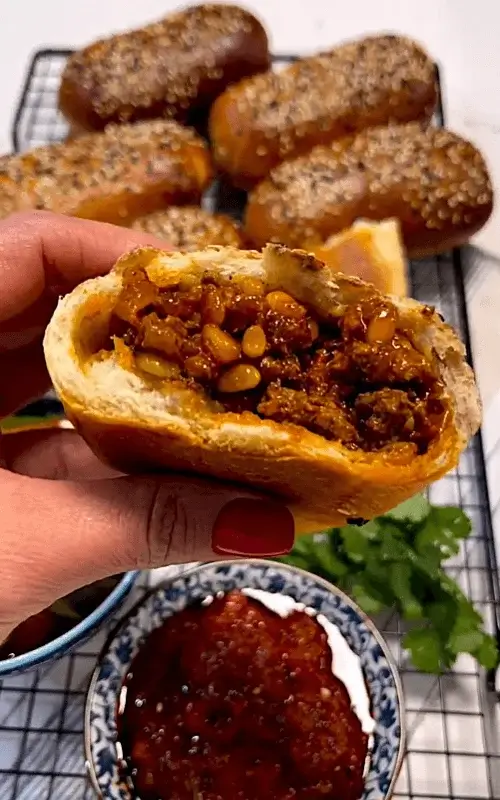
Juicy Middle Eastern Ground Beef Rolls
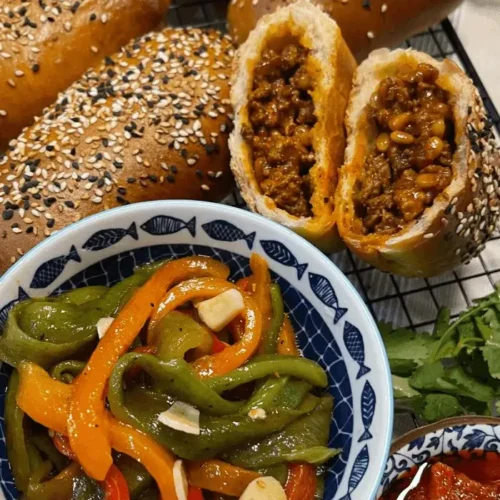
Watch the Full Step-by-Step
- Large skillet
- Rolling Pin
- Mixing bowls
- Baking sheet
- Pastry brush
- Kitchen scale
INGREDIENTS
- 2¼ pounds/1 kilogram bread flour
- 2 tablespoons/18 grams active dry yeast
- 6 tablespoons/75 grams sugar
- 1 tablespoon/18 grams salt
- ¾ cup/170 grams oil
- 2¼ cups/550 milliliters water
- 1 large egg yolk/18 grams
- 1 tablespoon water
- Sesame seeds, for sprinkling
Filling:
- 1¾ pounds/800 grams ground beef
- 1 large onion, finely chopped
- ¼ cup pine nuts
- ¼ cup oil
- 1 teaspoon paprika
- 1 teaspoon ground cumin
- 1 teaspoon ground cinnamon
- ½ teaspoon ground nutmeg
- 1 teaspoon salt
- ½ teaspoon black pepper
- 1 teaspoon granulated garlic
- 2 tablespoons tomato paste
- ½ cup boiling water

INSTRUCTIONS
- Heat the oven to 350°F/180°C, preferably with convection.
- Combine the flour, yeast and sugar in the bowl of a stand mixer fitted with a dough hook. Mix on low speed. Gradually add the water and oil, then add the salt after 1 minute. Knead until smooth and elastic, about 10 minutes.
- Shape the dough into a ball and place in a lightly oiled bowl. Cover with plastic wrap and a kitchen towel. Let rise until doubled in volume, about 1 hour.
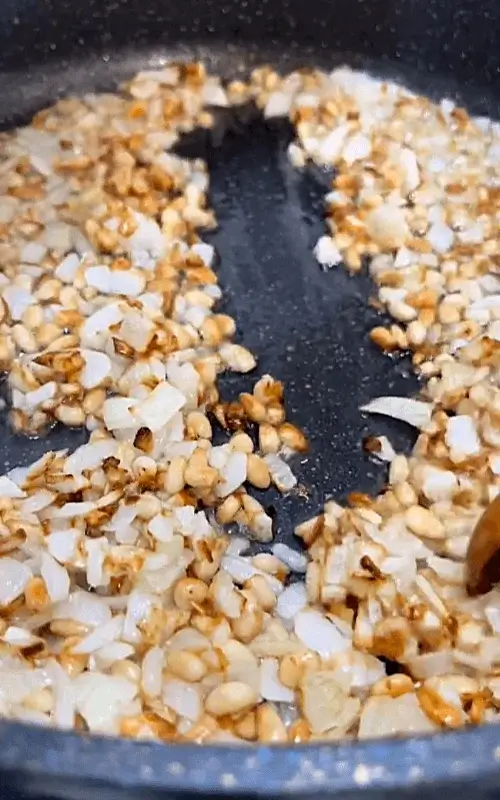
- Meanwhile, make the filling. Heat the oil in a large skillet over medium heat. Add the onion and pine nuts and cook, stirring occasionally, until lightly browned, 5 to 7 minutes.
- Add the beef and cook, breaking it up with a wooden spoon, until no longer pink. Stir in the paprika, cumin, cinnamon, nutmeg, salt, pepper and granulated garlic.
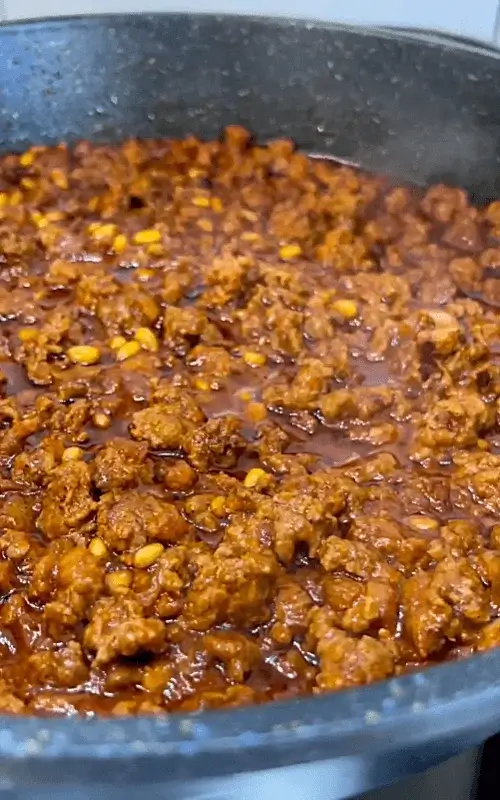
- Whisk the tomato paste into the boiling water and add to the skillet. Stir well and cook until the liquid has reduced and the filling is cohesive, about 15 minutes. Transfer to a bowl and let cool completely.
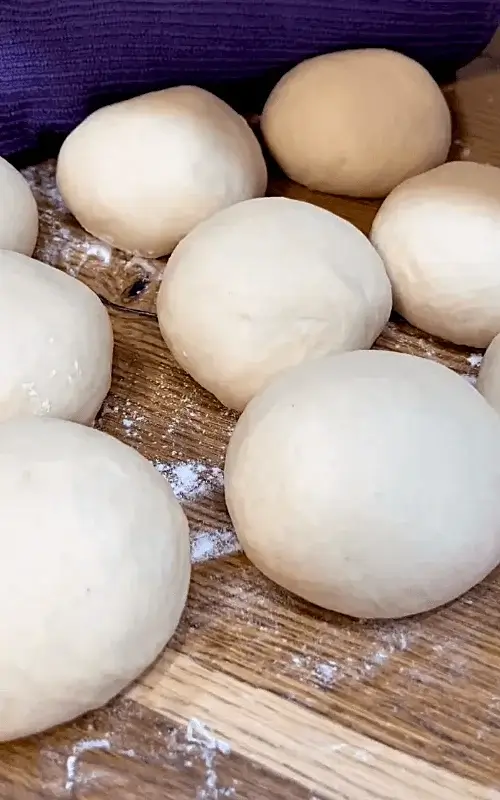
- Turn the dough onto a lightly floured surface and gently press out the air. Divide into 16 pieces, each weighing 3½ to 4¼ ounces/100 to 120 grams. Shape into balls, cover with a towel and let rest for 20 minutes.
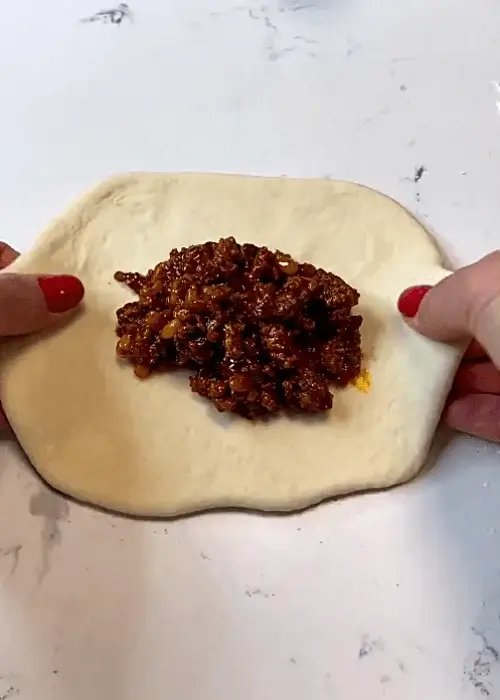
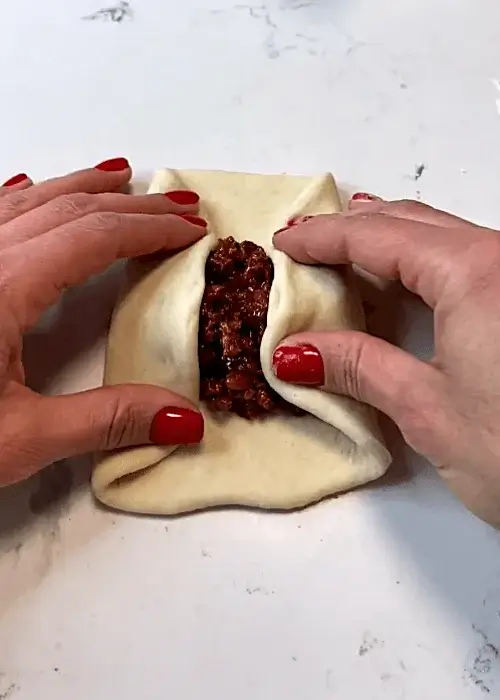
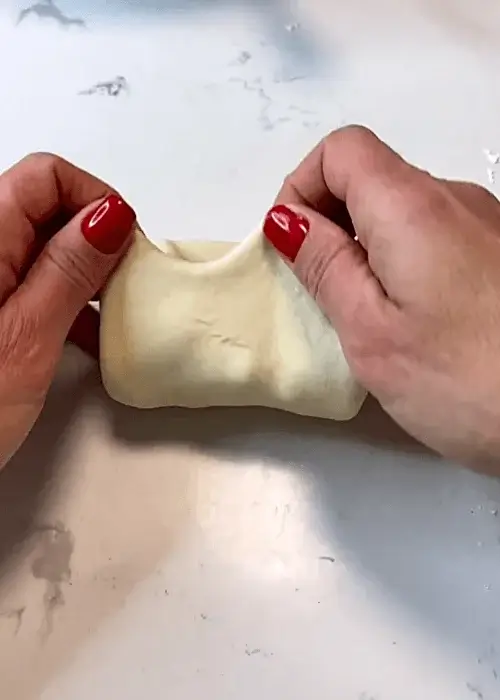
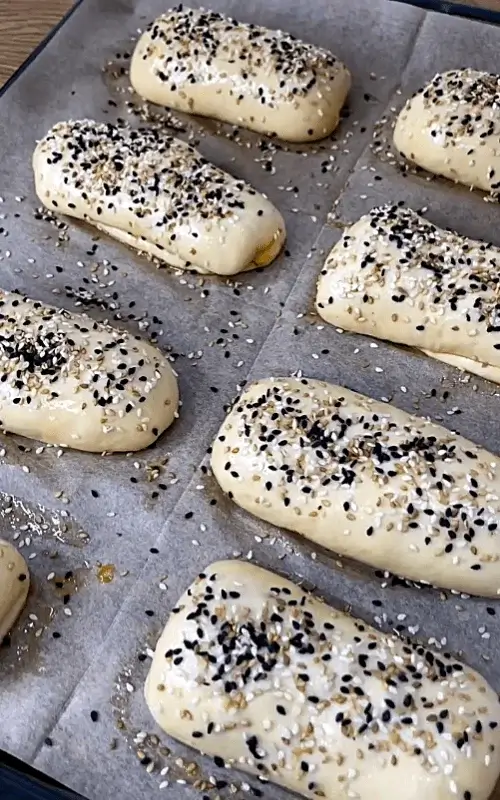
- Working with one piece at a time, flatten the dough and roll into a small square. Place some filling in the center. Fold the sides toward the center, then roll the bottom edge upward to enclose the filling. Place seam-side down on a parchment-lined baking sheet.
- Cover with a towel and let rise for 20 minutes.
- Whisk the egg yolk with the water. Brush the rolls with the egg wash and sprinkle with sesame seeds.
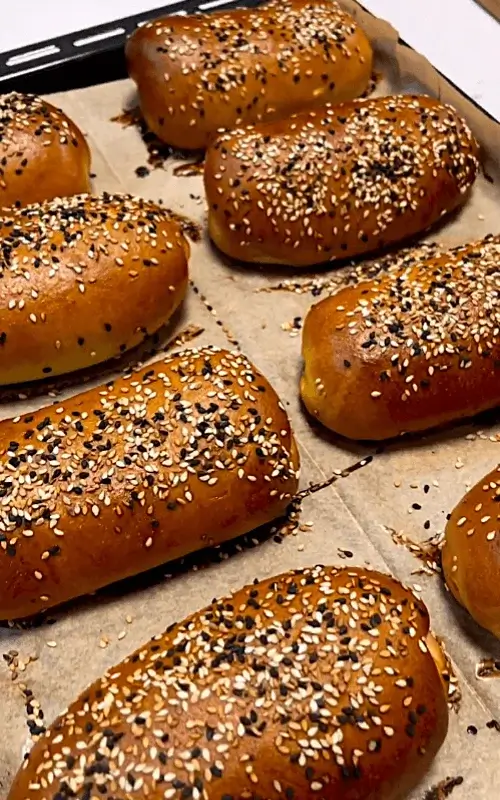
- Bake until puffed and golden brown, about 30 minutes. Let cool slightly before serving.
FAQ
How do you keep ground beef rolls soft and fluffy?
The key to soft ground beef rolls is developing the dough properly without adding too much extra flour. The dough should remain soft and slightly tacky while kneading, rather than becoming stiff or dry. Kneading for about 10 minutes helps develop gluten, which gives the rolls enough structure to hold the filling while maintaining a light texture. The first rise is also important because the yeast needs time to produce gas and expand the dough.
Let the dough rise until it has doubled in volume rather than relying only on a specific amount of time, since room temperature affects fermentation. The second 20-minute rise after shaping gives the dough additional lift before baking. Avoid overbaking the ground beef rolls, since excessive oven time can dry the dough. Baking at 350°F/180°C until puffed and golden, about 30 minutes, is sufficient for this recipe.
Can you make these ground beef rolls ahead of time?
The beef filling can be cooked a day ahead and refrigerated in an airtight container once completely cooled. Keeping the filling cold also makes assembly easier because it is firmer and less likely to soften the dough. The shaped, unbaked rolls can also be refrigerated for several hours before baking, but they should be covered well to prevent the dough from drying out.
Allow refrigerated rolls some time to lose their chill before baking if they have not completed their final rise. For longer storage, freezing is more practical. Fully baked rolls can be cooled completely, wrapped tightly and frozen. Reheat them in a moderate oven until warmed through rather than relying on a microwave, which can make the bread chewy.
What type of ground beef is best for this recipe?
A moderately fatty ground beef works well for ground beef rolls because the filling needs enough fat to remain juicy and flavorful after cooking. Ground beef with around 80 to 85 percent lean meat is a practical choice. Very lean ground beef can produce a drier filling, particularly because the mixture is cooked until the tomato-based liquid reduces.
A fattier blend can be flavorful, but excessive rendered fat may make the filling greasy and more difficult to contain inside the dough. Ground beef from beef chuck is an especially useful option because chuck generally has enough fat for a moist filling and a pronounced beef flavor. The recipe also works with ground short rib, which has a rich flavor. Regardless of the cut, break the meat into small pieces while cooking so the filling has an even texture. Drain excess rendered fat if necessary before assembling the rolls.
How do you prevent the filling from leaking out of ground rolls?
Preventing leaks starts with controlling the amount and consistency of the filling. The beef mixture should be cooked until the tomato-based liquid has reduced and the filling is cohesive rather than wet. Excess moisture makes the dough harder to seal and can create steam inside the rolls during baking. Allowing the filling to cool completely also makes it easier to handle.
When shaping the ground beef rolls, avoid overfilling the center because the dough needs enough room to fold securely around the meat. Roll the dough into a small square without making it excessively thin, then fold the sides toward the center and roll the bottom edge upward to enclose the filling. Place each roll seam-side down on the baking sheet. This keeps the seam pressed against the pan during baking and helps prevent it from opening. A firm, properly cooled filling and a secure seam are the most important factors.
Can you freeze ground beef rolls?
For the best texture, bake the rolls according to the recipe, then allow them to cool completely before freezing. Arrange the cooled rolls in a single layer until firm, then transfer them to an airtight freezer container or freezer bag with as much excess air removed as possible. This helps minimize freezer burn and protects the bread from absorbing odors.
Ground beef rolls can be reheated directly from frozen in a moderate oven until the center is thoroughly hot. Reheating in an oven helps restore some of the bread’s exterior texture, whereas prolonged microwave heating can make the dough soft and chewy. If you prefer to freeze the rolls before baking, the yeast dough and proofing schedule become more complicated because freezing affects yeast activity. For consistent results, freezing the fully baked rolls is the simpler option.
Can you use a different type of meat?
Ground lamb is particularly suitable because its richness works well with cumin, cinnamon, nutmeg and other warm spices used in the filling. Ground turkey or chicken can also be substituted, but these meats are generally leaner than ground beef and may produce a drier filling. If using poultry, avoid overcooking it and make sure it reaches a safe internal temperature.
Ground pork can also work, although it will give the rolls a different flavor profile. Whatever meat you choose, cook the filling completely before assembling the rolls and reduce the tomato mixture until it is cohesive rather than watery. The dough, shaping and baking process can remain essentially the same. For the closest result to the original recipe, however, use ground beef with moderate fat content.
What is the best way to reheat ground beef rolls?
The oven is the best method for reheating ground beef rolls because it warms the filling while helping the bread regain some of its baked texture. Place refrigerated rolls on a baking sheet and heat them in a moderate oven until the centers are thoroughly warm. Avoid using very high heat, which can brown or harden the exterior before the filling is heated. A microwave is faster and works for individual portions, but it can make the bread soft or chewy because microwave heating affects the moisture in the dough.
If reheating frozen rolls, allow additional time for the center to heat completely. For the best texture, avoid repeatedly reheating the same rolls; instead, warm only the amount you plan to serve. Since the beef filling was fully cooked before the ground beef rolls were assembled, reheating is primarily about restoring serving temperature while preserving the texture of the bread.
Can you make ground beef rolls with whole wheat flour?
Whole wheat flour contains the bran and germ, which absorb more water and can make dough heavier and less elastic. The finished rolls may therefore be denser and have a stronger wheat flavor. For a softer result, replace only part of the bread flour with whole wheat flour rather than substituting it completely.
Start with about 25 percent whole wheat flour and 75 percent bread flour, then adjust the water slightly if the dough feels too dry. Whole wheat dough may also benefit from a longer resting period because the bran needs time to absorb moisture. The goal is still a soft, elastic dough that can be rolled without tearing. If you want the characteristic light texture of this recipe, keeping bread flour as the primary flour is the most reliable approach.
How should ground beef rolls be stored after baking?
After baking, allow the ground beef rolls to cool slightly, then store leftovers in an airtight container in the refrigerator. They should not be left at room temperature for an extended period because the filling contains cooked ground beef. Keeping the rolls covered prevents the bread from drying out and also protects it from absorbing odors from other foods in the refrigerator. For short-term storage, refrigeration is appropriate, while freezing is better for longer storage.
When storing several rolls together, placing parchment between layers can help prevent them from sticking. Reheat only the portion you intend to eat, preferably in the oven for better bread texture. If the rolls have been refrigerated for several days and their appearance, smell or texture has changed noticeably, discard them rather than attempting to extend their storage time. Proper cooling, airtight storage and prompt refrigeration help maintain the quality of the ground beef rolls.
Can you use instant yeast instead of active dry yeast?
Both types of yeast are used to leaven bread dough, but instant yeast is formulated to disperse easily through the flour and does not require the same activation step sometimes used with active dry yeast. Since this recipe mixes the yeast directly with the flour and sugar before adding the liquid, it is already compatible with the typical use of instant yeast.
Use the same weight of instant yeast, approximately 18 grams for this recipe, unless the specific product instructions indicate otherwise. The rising time may vary depending on the yeast, water temperature and room temperature, so use the dough’s volume as the primary guide. Let it rise until doubled rather than stopping strictly at the one-hour mark. Proper fermentation is more important than the exact yeast type when making soft ground beef rolls.
What can you serve with ground beef rolls?
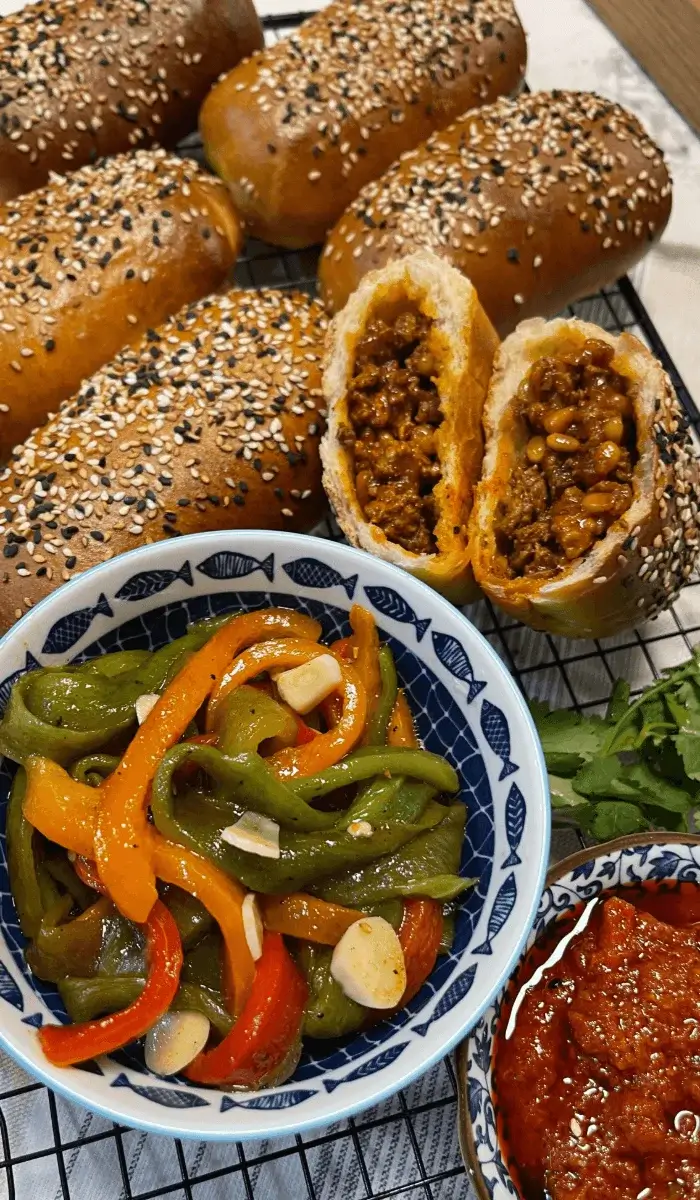
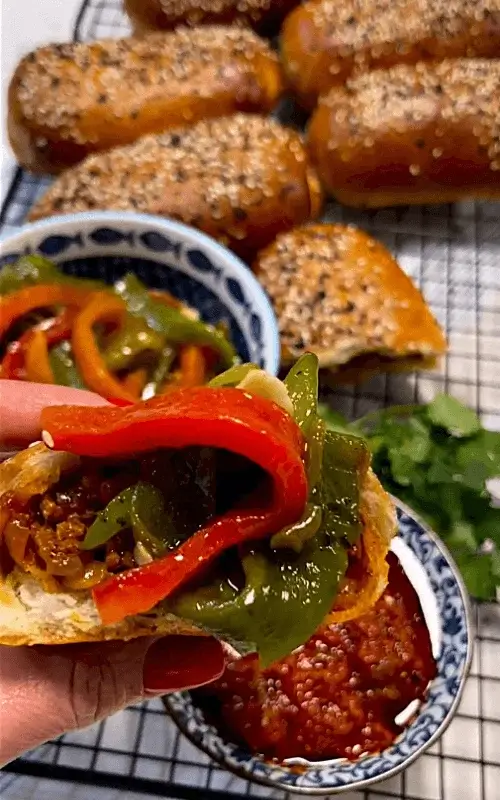
Ground beef rolls are substantial enough to serve as a main dish, but they pair well with fresh, acidic and vegetable-based sides. A simple chopped salad with tomatoes, cucumbers, parsley and lemon dressing provides freshness that balances the rich beef filling. A cabbage salad, pickled vegetables or a cucumber salad can also add crunch and acidity. Yogurt-based sauces are another good option, particularly plain yogurt mixed with garlic, lemon juice and herbs.
Hummus or a tahini-based sauce can be served alongside the rolls for a more substantial Middle Eastern-inspired meal. Because the rolls already contain seasoned beef and bread, sides do not need to be heavily seasoned. Fresh herbs such as parsley or mint can also be scattered around the serving platter. For an appetizer or party spread, cut the ground beef rolls in half and serve them with several small salads, dips and pickles so guests can choose different combinations.
How thin should the dough be when shaping ground beef rolls?
The dough should be flattened and rolled into a small square that is thin enough to fold around the filling but thick enough to remain intact during shaping and baking. There is no exact thickness specified in the recipe because the size of each dough piece and the amount of filling will affect the ideal thickness. Rolling the dough excessively thin can create weak spots that tear when the filling is added or when the sides are folded inward. Leaving it too thick can produce a bread-heavy roll and make it difficult to enclose the filling neatly.
Work gently and aim for an even thickness across the square, with no particularly thin corners. The dough should remain flexible enough to fold without cracking. For consistent ground beef rolls, use the same dough weight for each piece and approximately the same amount of filling in every roll. This produces more uniform shapes and helps them bake at the same rate.
How can you make the dough for ground beef rolls by hand?
Combine the flour, yeast and sugar in a large mixing bowl, then gradually add the water and oil while mixing with a wooden spoon or your hands. Add the salt after about 1 minute, then knead the dough on a lightly floured work surface until it becomes smooth and elastic. Hand kneading will generally take longer than using a stand mixer, so focus on the texture rather than an exact time.
The finished dough should be soft, cohesive and elastic rather than stiff. Avoid adding large amounts of flour during kneading because this can make the baked ground beef rolls dense. Once kneaded, shape the dough into a ball and continue with the first rise as written. A stand mixer simply makes the kneading process more convenient; it is not required for producing good rolls.
Why should the ground beef filling be cooked before making the rolls?
Cooking the ground beef filling before assembling the rolls allows the meat, onions and spices to develop their flavor while giving you control over the moisture level. The recipe cooks the beef with onion, pine nuts, spices and a tomato-paste mixture until the liquid has reduced and the filling becomes cohesive. If raw beef were placed inside the dough, it would release moisture and fat during baking, potentially making the interior of the rolls soggy and causing the seams to open.
It would also be much more difficult to determine whether the meat had cooked evenly without overbaking the bread. Precooking also allows the filling to cool completely before assembly, which makes shaping easier. For these ground beef rolls, the cooked filling should be moist and flavorful but not wet. Reducing the liquid sufficiently is particularly important because excess moisture can compromise the texture of the dough.