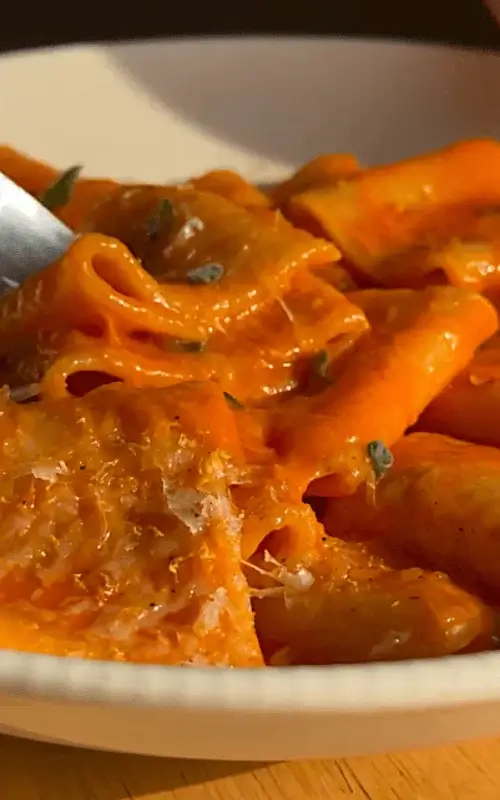
Creamy Tomato Butter Pasta with Pecorino & Za’atar
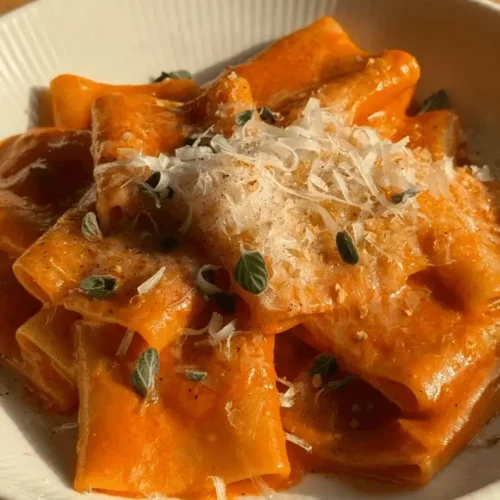
Watch the Full Step-by-Step
- Large pot
- Large skillet
- Blender
- Chef's knife
- Microplane or fine grater
INGREDIENTS
- 17.6 ounces/500 grams pasta, preferably paccheri
- 24 ounces/680 grams Campari tomatoes
- 2.5 ounces/70 grams cold unsalted butter, cubed
- 2.5 ounces/70 grams Pecorino Romano or Parmesan, finely grated, plus more for serving
- 3 garlic cloves
- 2 tablespoons olive oil
- Salt
- Black pepper
- 1 cup pasta cooking water, plus more as needed
- Fresh za’atar leaves, or fresh parsley, for serving
- 1 teaspoon Aleppo pepper, for serving
- 1 lemon, for zesting

INSTRUCTIONS
- Bring a large pot of well-salted water to a boil. Cook the pasta according to the package directions until al dente. Reserve 1 cup of the pasta cooking water, then drain.
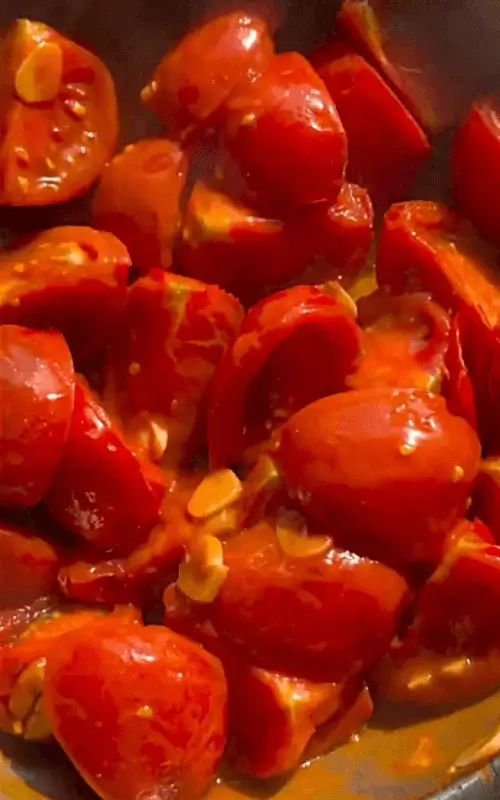
- Meanwhile, halve the tomatoes. Heat the olive oil in a large skillet over medium-high heat. Add the tomatoes and cook until softened and begin to release their juices, 5 to 7 minutes. Add the garlic and cook until fragrant, about 30 seconds.
- Transfer the tomatoes and garlic to a blender. Add 1 cup of the reserved pasta water and blend until smooth. Strain through a fine-mesh strainer, pressing on the solids, and discard the skins and seeds.
- Return the tomato sauce to the skillet and season with salt and black pepper. Add the pasta and toss to coat.
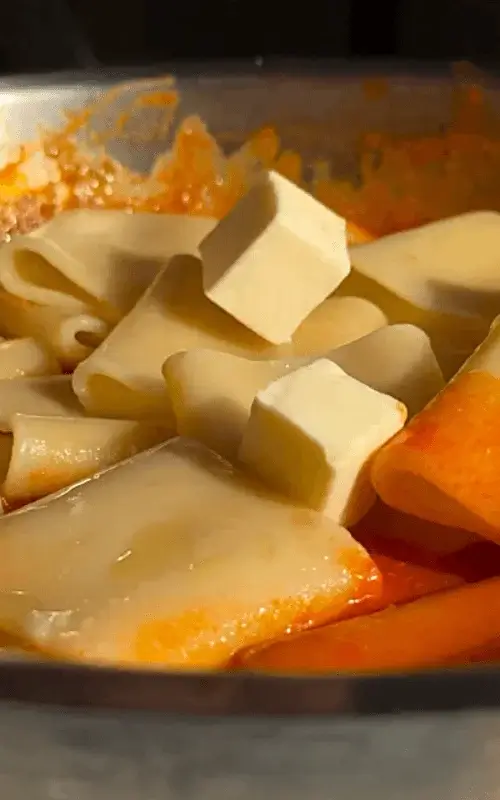
- Reduce the heat to low. Add the cold butter a few cubes at a time, tossing until melted and incorporated. Add the grated cheese and toss until the sauce is smooth, glossy and thick enough to coat the pasta. Add more pasta water as needed.
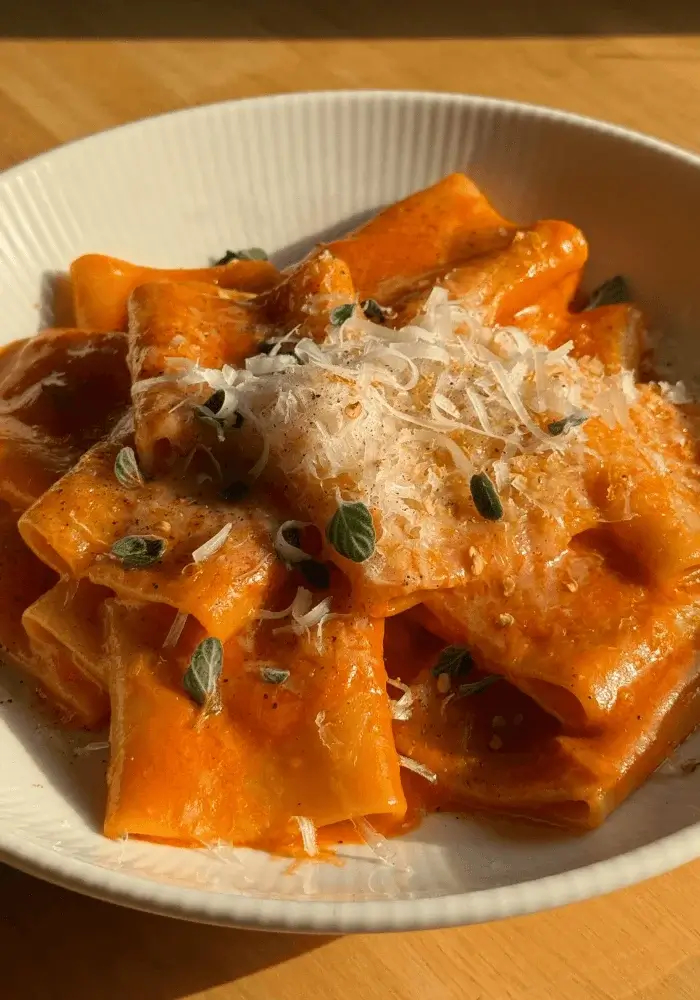
- Divide the pasta among bowls. Top with Pecorino or Parmesan, lemon zest, za’atar and Aleppo pepper. Finish with black pepper and serve immediately.
FAQ
What makes tomato butter pasta creamy without using cream?
Tomato butter pasta gets its creamy texture from an emulsion of butter, cheese, tomato sauce and starchy pasta water rather than from heavy cream. The butter is added gradually over low heat and tossed continuously so the fat disperses into the tomato mixture instead of separating. The pasta water is equally important because its starch helps bind the ingredients together and gives the sauce a smooth, cohesive texture.
Pecorino Romano also contributes richness and body as it melts into the sauce. Using cold butter cut into small cubes makes it easier to incorporate gradually. The finished tomato butter pasta should look glossy and cling to the noodles without feeling heavy or oily. Adding a little extra pasta water at the end can loosen the sauce while maintaining its creamy consistency.
How should I reheat leftover tomato butter pasta?
Reheat leftover tomato butter pasta gently in a skillet over low to medium-low heat. The sauce will usually have thickened in the refrigerator because the pasta absorbs moisture and the butter solidifies as it cools. Add a small splash of water or reserved pasta water if you have some available, then toss the pasta while it warms. Avoid high heat because it can cause the butter and cheese in the sauce to separate.
You can also cover the skillet briefly to help warm the pasta evenly, then uncover and toss until the sauce becomes creamy again. The texture will not be identical to freshly made tomato butter pasta, but gentle reheating can restore much of its original consistency. Finish with freshly grated Pecorino Romano, lemon zest or Aleppo pepper if desired.
Why should the tomato sauce be strained for tomato butter pasta?
Straining the blended tomatoes removes the skins and seeds, creating a smoother sauce that coats the pasta evenly. Campari tomatoes have relatively thin skins, but once blended, those skins can leave small pieces throughout the sauce. Tomato seeds can also affect the final texture and may contribute a slightly bitter or harsh note, especially when the sauce is concentrated.
After blending the tomatoes with pasta water, passing the mixture through a fine-mesh strainer separates these solids from the liquid tomato base. Pressing the solids with a spoon helps extract as much flavorful tomato puree as possible. This step is particularly useful for tomato butter pasta because the recipe is designed around a silky, emulsified sauce. Straining is not absolutely necessary, but it produces a noticeably smoother and more refined result.
Can I make the tomato sauce without a blender?
Yes, although a blender produces the smoothest texture for tomato butter pasta. If you do not have a blender, you can cook the tomatoes until very soft, then crush them thoroughly with a potato masher or the back of a wooden spoon. After crushing, pass the tomatoes through a fine-mesh strainer to remove the skins and seeds.
An immersion blender is another convenient option because you can blend the cooked tomatoes directly in a heatproof container or saucepan. Regardless of the method, straining is useful if you want a particularly smooth sauce. The purpose of blending is to break down the cooked tomatoes and garlic into a uniform base that can later emulsify with the butter, cheese and pasta water. A slightly more rustic sauce will still produce flavorful tomato butter pasta.
Can I use cherry tomatoes instead of Campari tomatoes?
Yes, cherry tomatoes can be used in tomato butter pasta, and they are a practical substitute when Campari tomatoes are unavailable. Cherry tomatoes are generally sweet and contain enough acidity to create a flavorful sauce, while their small size allows them to soften and release their juices quickly in the skillet.
Because cherry tomatoes can vary considerably in sweetness and water content, the final sauce may taste slightly different from one made with Campari tomatoes. Cook them until they are visibly softened and beginning to burst before blending. After blending, strain the mixture as directed to remove the skins and seeds. Taste the sauce before adding the pasta and adjust the salt and black pepper as needed.
How do I know when the tomato butter pasta sauce is ready?
The tomato butter pasta sauce is ready when it looks smooth, glossy and cohesive, with enough body to cling to the pasta. After the cold butter has been incorporated, the sauce should no longer appear watery or have a separate layer of melted butter on the surface. Once the Pecorino Romano is added, continue tossing until the cheese melts into the sauce and contributes to its thickness.
The pasta should be evenly coated rather than sitting in a thin pool of sauce. If the mixture looks too thick or sticky, add pasta water a little at a time. If it looks too loose, continue tossing over low heat for a short time so the sauce can reduce slightly and coat the pasta. Because the sauce continues to thicken as it cools, serve tomato butter pasta immediately once the desired consistency is reached.
What is the best pasta shape for tomato butter pasta?
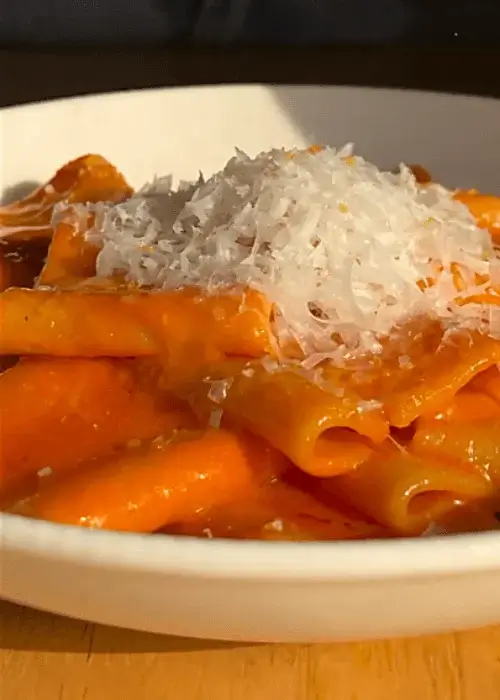
Paccheri is particularly well suited to tomato butter pasta because it is a large, short tubular pasta with a substantial surface area and a wide opening that allows the silky tomato sauce to collect inside and around the pasta. This makes each bite well coated without requiring a very thick sauce. Rigatoni is a good substitute if paccheri is difficult to find, although it is narrower and generally longer.
Mezzi rigatoni also works well because its shorter shape holds the sauce effectively. The most important consideration is choosing a shape that can support a smooth, emulsified sauce without becoming overwhelmed by it. Long pasta such as spaghetti can also work, but tube-shaped pasta gives this tomato butter pasta a particularly substantial texture and helps showcase the sauce.
What can I use if I cannot find fresh za’atar leaves?
Fresh za’atar leaves can be replaced with fresh parsley or fresh basil if they are unavailable. Fresh za’atar has an herbal, aromatic character and is traditionally used in some Middle Eastern cuisines, but it can be difficult to find in many North American supermarkets. Fresh parsley and fresh basil provide a clean, fresh finish that works well with the tomato, butter and cheese.
Dried za’atar seasoning is not exactly the same as fresh za’atar leaves because commercial za’atar blends usually contain dried herbs, sesame seeds and sumac. If using dried za’atar seasoning, add it sparingly because its flavor is more concentrated and the blend may already contain salt. The fresh herb is primarily a finishing element, so the tomato butter pasta will still work without it. Parsley or basil are the easiest widely available substitutes while keeping the dish fresh and aromatic.
How do I emulsify the butter and cheese into the tomato sauce?
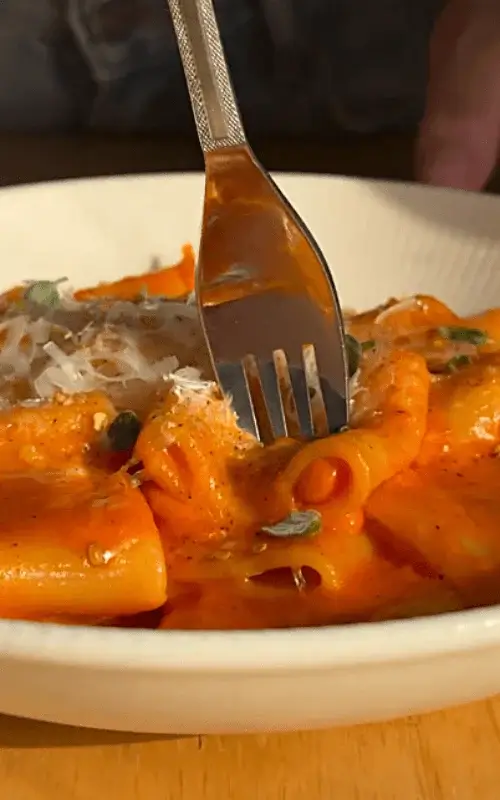
To emulsify the butter and cheese successfully, keep the skillet over low heat after adding the pasta and tomato sauce. Cut the cold butter into small cubes and add it gradually rather than all at once. Toss the pasta continuously as each piece of butter melts so the fat disperses throughout the sauce. Once the butter is incorporated, add the finely grated Pecorino Romano and continue tossing.
The starch from the reserved pasta water helps bring the tomato sauce, butter and cheese together into a smooth mixture. If the sauce becomes too thick, add a small splash of pasta water and continue tossing. Avoid high heat at this stage because excessive heat can cause the butter to separate and can make the cheese clump instead of blending smoothly. The finished tomato butter pasta should be glossy, cohesive and able to coat the pasta evenly.
How can I prevent the butter sauce from becoming greasy?
The key to preventing a greasy tomato butter pasta sauce is gradual incorporation, moderate heat and enough pasta water. Keep the skillet over low heat when adding the cold butter, and add it a few cubes at a time while continuously tossing the pasta. This allows the butter to combine with the tomato mixture instead of separating into a layer of fat.
The starch in the reserved pasta water helps stabilize the mixture and gives the sauce enough body to hold the butter. Adding the butter all at once or cooking over high heat can make the fat separate from the sauce. If the sauce does begin to look oily, add a small splash of pasta water and toss vigorously. Continue until the sauce becomes smooth and glossy. The finished tomato butter pasta should coat the pasta rather than leave a pool of melted butter in the bowl.