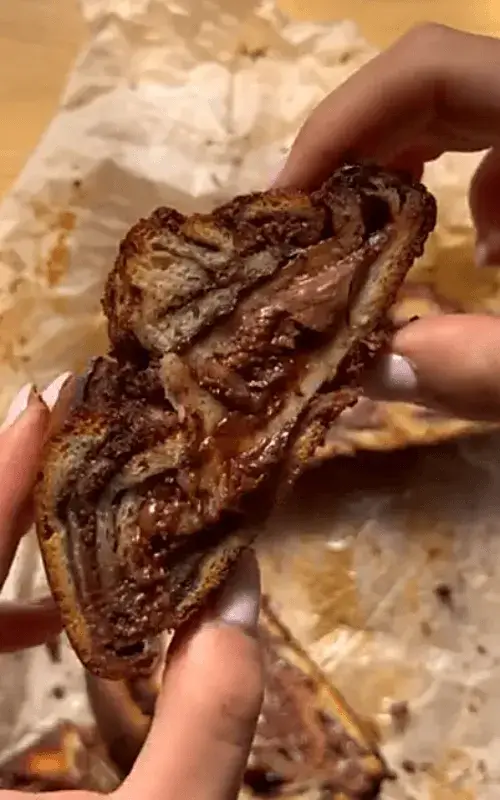
Bakery-Style Nutella Babka Recipe
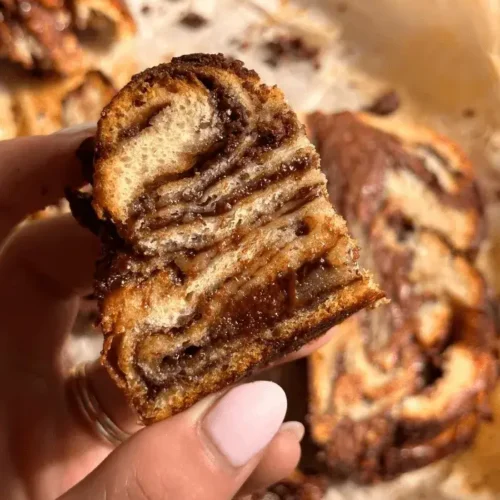
Watch the Full Step-by-Step
- Kitchen scale
- Rolling Pin
- 4 Loaf pans
INGREDIENTS
- 2.2 pounds/1 kilogram all-purpose flour
- 2 cups/500 grams milk
- 4 teaspoons/20 grams instant dry yeast
- ½ cup/90 grams sugar
- 2 teaspoons/10 grams salt
- 3.5 ounces/100 grams cold unsalted butter, cubed
- Nutella, as needed

INSTRUCTIONS
- Combine the flour, milk, yeast, sugar and salt in the bowl of a stand mixer fitted with a dough hook. Mix until a rough dough forms.
- Add the butter a few cubes at a time, mixing until incorporated. Knead for 10 minutes, until the dough is smooth and elastic. Cover and let rise until puffy, about 1.5 hours. For easier handling, refrigerate the dough overnight after its initial rise, if desired.
- Divide the dough into four portions, about 14 to 16 ounces/400 to 450 grams each. Working with one portion at a time, roll the dough into a thin, elongated rectangle on a lightly floured surface.
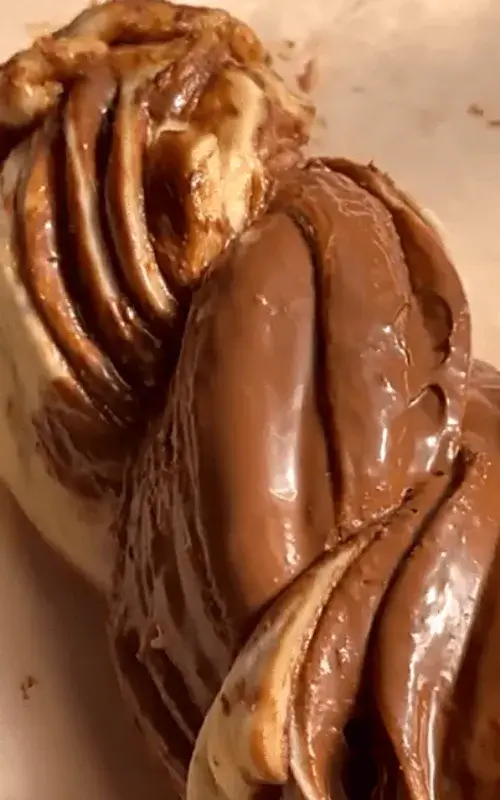
- Spread generously with chocolate hazelnut spread. Fold the dough over itself, keeping the seam along the side, then roll it out again and spread with another generous layer of chocolate spread.
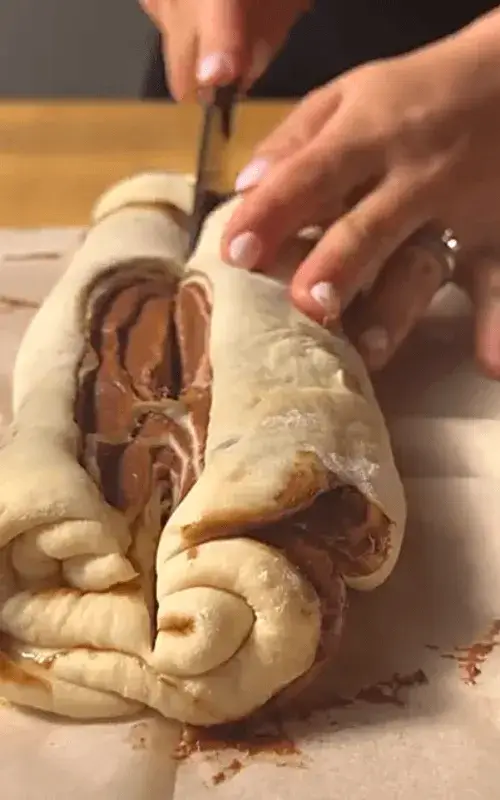
- Roll the dough into a log and place it seam-side down on parchment paper. Using a long, sharp knife, cut the log lengthwise in half. With the cut sides facing up, twist the two strands together to form a braid.
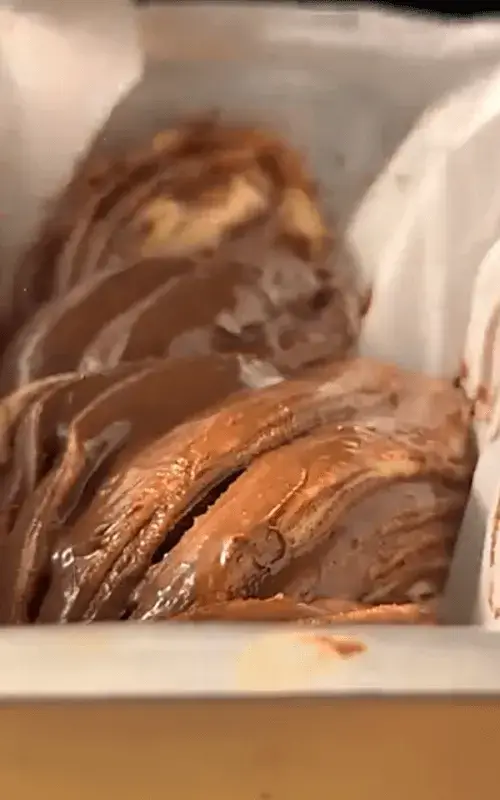
- Transfer the braid to a parchment-lined metal loaf pan. Cover loosely with plastic wrap and let rise until doubled in size. Repeat with the remaining dough.
- Heat the oven to 350°F/175°C. Bake the loaves on the lower rack for about 25 minutes, until golden and baked through. If baking multiple loaves at once, rotate the pans as needed for even browning.
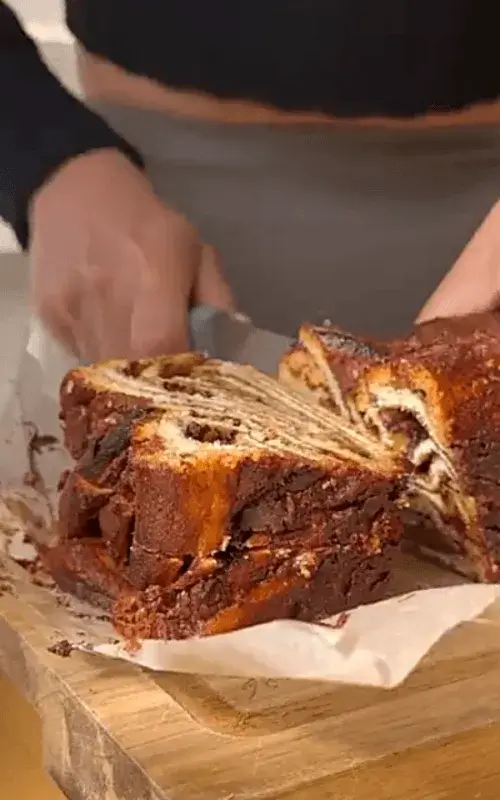
- Let cool in the pans before slicing. Store at room temperature in a cool environment or refrigerate for longer storage. Warm briefly before serving, if desired.
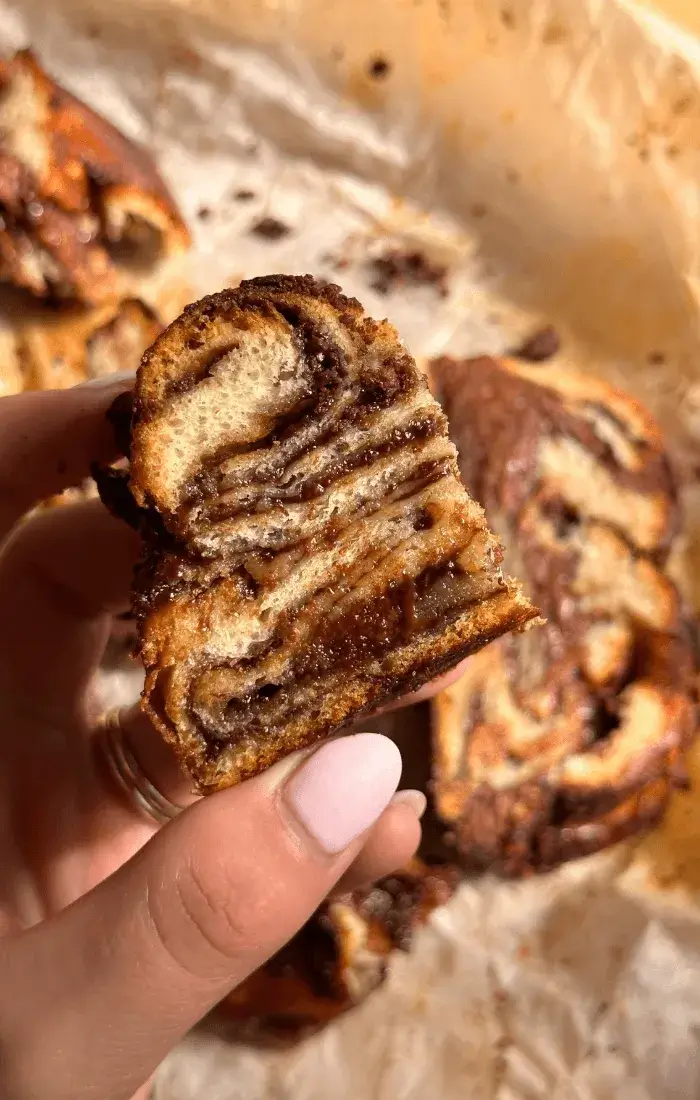
FAQ
Can I make this Nutella babka recipe without a stand mixer?
Yes, you can make this Nutella babka recipe by hand, although kneading will require more effort. Combine the flour, milk, yeast, sugar, and salt in a large mixing bowl, stirring until a rough dough forms. Gradually work in the cold, cubed butter, kneading until each addition is incorporated. Continue kneading on a lightly floured surface for approximately 10 minutes, until the dough becomes smooth and elastic.
The dough may initially feel sticky, but avoid adding too much extra flour because it can affect the texture. Once kneaded, cover the dough and let it rise until puffy. Continue with the same dividing, filling, braiding, proofing, and baking instructions used for the stand-mixer version.
Why is my Nutella babka dense instead of fluffy?
A dense loaf made with this Nutella babka recipe may result from insufficient kneading, inadequate rising time, too much added flour, or yeast that is no longer active. Knead the dough for the full 10 minutes, until smooth and elastic, to develop the structure needed to trap gas during fermentation. Allow the first rise to continue until the dough is puffy, then let the braided loaves double in size in their pans before baking.
If the room is cold, the rising process may take longer. Avoid adding large amounts of flour to make the dough easier to handle, because that can produce a heavier crumb. Also check the expiration date and storage conditions of the yeast. A properly fermented dough should expand noticeably before it goes into the oven.
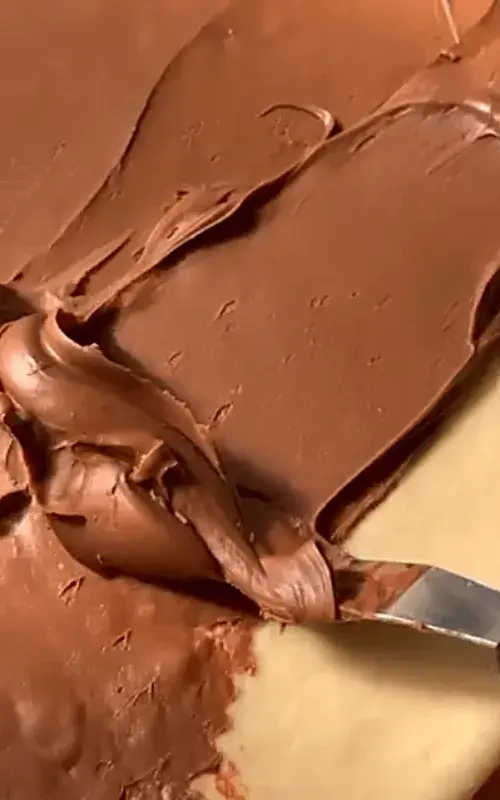
How do I get beautiful chocolate swirls in this Nutella babka recipe?
To create distinct chocolate swirls in this Nutella babka recipe, roll each portion of dough into a thin, elongated rectangle and spread it with a generous, even layer of Nutella. Fold the dough over itself, keeping the seam along the side, then roll it out again and add another layer of chocolate spread.
Roll the dough into a log and place it seam-side down on parchment paper. Cut the log lengthwise in half with a long, sharp knife, exposing the chocolate layers. Twist the two strands together with their cut sides facing upward. This technique creates the characteristic braided appearance. Avoid using so much filling that the dough becomes difficult to handle or the strands slide apart during shaping.
How do I reheat leftover Nutella babka?
To reheat leftover Nutella babka, warm individual slices briefly in a microwave or in an oven set to a low temperature. A microwave is convenient for a quick serving, but use short intervals to avoid making the bread tough or overheating the chocolate filling. For a lightly toasted exterior, place slices in a preheated oven until warmed through.
If reheating a whole loaf, wrap it loosely in foil to reduce moisture loss and warm it gently rather than exposing the crust to prolonged direct heat. The goal is to soften the crumb and make the Nutella filling more aromatic without drying out the bread. Store the loaf properly before reheating, and only warm the portion you plan to serve. Let very hot filling cool briefly before eating.
Why is my dough too sticky to handle?
The dough for this Nutella babka recipe may feel slightly sticky because it contains milk and butter, both of which contribute to a tender texture. However, properly kneaded dough should become smoother and more elastic as the gluten develops. Knead for the full 10 minutes before deciding whether additional flour is necessary.
If the dough remains difficult to handle, chill it in the refrigerator, since cold dough is firmer and the butter is less soft. Lightly flour the work surface and rolling pin, using only enough flour to prevent sticking. Adding too much flour can make the finished babka dry and dense. If the dough becomes warm and difficult to shape during braiding, refrigerate it briefly before continuing.
Can I make this Nutella babka recipe dairy-free?
You can adapt this Nutella babka recipe to be dairy-free, although the texture and flavor may change. Replace the milk with an unsweetened plant-based milk, such as soy milk or oat milk, and use a plant-based butter alternative suitable for baking. Choose a chocolate hazelnut spread that is specifically labeled dairy-free, since many chocolate spreads contain milk ingredients.
Use products with similar consistency and fat content when possible, because the dough relies on the liquid and fat balance for its texture. The plant-based butter should be firm enough to incorporate into the dough gradually, rather than melting immediately. Follow the same kneading, rising, shaping, and baking steps, while monitoring the dough’s texture and allowing enough time for the loaves to double in size.
How do I know when this Nutella babka is fully baked?
The loaves in this Nutella babka recipe should have a golden-brown surface and be baked through at the center. The recipe specifies baking at 350°F/175°C for approximately 25 minutes on the lower oven rack, but the exact time can vary depending on your oven, loaf pans, and the size of the braids. If baking several loaves at once, rotate the pans as needed to encourage even browning.
Do not rely on surface color alone, since the outside can brown before the center is fully baked. An instant-read thermometer can help; enriched yeast breads are generally done when the center reaches approximately 190–200°F/88–93°C. Let the loaves cool in their pans before slicing so the crumb can set.
Why is my Nutella babka dry?
A dry loaf made with this Nutella babka recipe can result from overbaking, adding too much flour, or storing the bread without adequate protection. Measure the flour by weight whenever possible: the recipe calls for 1 kilogram of all-purpose flour. When kneading and rolling, use only a light dusting of additional flour to prevent sticking.
Bake at 350°F/175°C for approximately 25 minutes, checking for doneness rather than extending the baking time automatically. Oven temperatures and pan materials can affect how quickly the bread cooks. After baking, let the loaves cool in their pans, then wrap them or store them in an airtight container once completely cool. For a softer serving texture, warm individual slices briefly before eating.
Can I make this Nutella babka recipe without eggs?
Yes. The Nutella babka recipe as written does not contain eggs, so you do not need to replace any egg ingredient. The dough gets its structure from flour and gluten development, while milk and butter contribute moisture and tenderness. Yeast provides the leavening that makes the dough expand. This makes the recipe convenient for bakers who want an egg-free sweet bread, provided the other ingredients and the chosen chocolate hazelnut spread meet their dietary requirements.
Check the packaging of the flour, yeast, butter, milk, and Nutella if you are baking for someone with an allergy, since manufacturing and cross-contact information can vary. Follow the original mixing, kneading, rising, shaping, and baking instructions without adding an egg wash unless you intentionally want to change the recipe.
Can I freeze this Nutella babka?
Yes, you can freeze the baked loaves made with this Nutella babka recipe. Let the babka cool completely in its pans, then remove it and wrap it tightly in plastic wrap or another freezer-safe wrapping material. Place the wrapped loaf in a freezer bag or airtight container to help prevent freezer burn and the absorption of odors.
For easier serving, you can slice the loaf before freezing and separate individual slices with parchment paper. Freeze promptly after cooling rather than leaving the bread exposed for an extended period. Thaw a whole loaf at room temperature while still wrapped to help retain moisture. Individual slices can be warmed gently in the oven or microwave before serving.
What type of loaf pan is best for this Nutella babka recipe?
A standard metal loaf pan is a practical choice for this Nutella babka recipe because it supports the braided dough as it rises and bakes. Light-colored metal pans generally promote more even browning, while dark metal pans can brown the crust more quickly. Line each pan with parchment paper to make removing the finished loaf easier and to help contain any chocolate spread that escapes during baking.
Since this recipe makes four loaves, prepare four pans if you plan to bake them together. Make sure the pans are large enough to accommodate the dough after its final rise. If your pans differ in size or material, the loaves may bake at different rates, so check each one individually rather than assuming they will all be ready at exactly the same time.
Can I use bread flour instead of all-purpose flour in this Nutella babka recipe?
Yes, bread flour can be used in this Nutella babka recipe, although the texture may differ slightly. Bread flour generally contains more protein than all-purpose flour, which can produce a stronger gluten network and a chewier, more elastic dough. All-purpose flour typically produces a tender texture that works well for enriched sweet bread.
If you substitute bread flour, begin with the same weight of flour rather than relying on cup measurements, since flour density can vary. Knead until the dough is smooth and elastic, and assess its consistency before adding extra flour or liquid. Different flour brands absorb moisture differently, so minor adjustments may be necessary. The dough should remain workable enough to roll thinly and braid without tearing.
Can I make this Nutella babka recipe with active dry yeast?
You can make this Nutella babka recipe with active dry yeast instead of instant dry yeast. The recipe calls for 20 grams of instant dry yeast, so use an equivalent amount of active dry yeast according to the manufacturer’s conversion guidance. Active dry yeast often benefits from being dissolved in some of the recipe’s milk before mixing, while instant yeast can generally be added directly to the dry ingredients.
If activating the yeast, use milk that is lukewarm rather than hot, since excessive heat can damage the yeast. Allow extra time for fermentation if needed, and judge the dough by its appearance and volume rather than the clock alone. The first rise should leave the dough puffy, and the shaped loaves should double in size before baking.
Can I make this Nutella babka recipe with whole-wheat flour?
You can replace some of the all-purpose flour in this Nutella babka recipe with whole-wheat flour, but replacing all of it may produce a denser loaf. Whole-wheat flour contains the bran and germ of the wheat kernel, which absorb more liquid and can interfere with the development of a light, elastic crumb.
For a more tender result, start by replacing about 10 to 20 percent of the all-purpose flour with whole-wheat flour. You may need a small adjustment to the milk, depending on how the dough feels during mixing. Knead until the dough is elastic, and allow sufficient time for both rises. The finished babka will have a nuttier flavor and a slightly heartier texture than one made entirely with all-purpose flour.