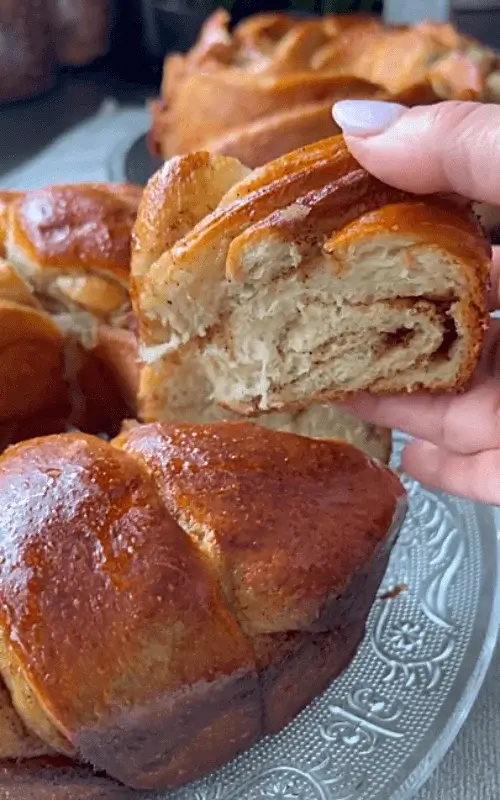
Buttery Cinnamon Yeast Cake
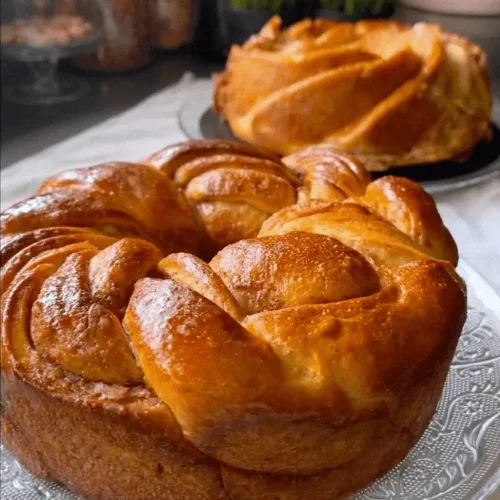
Watch the Full Step-by-Step
- Mixing bowls
- Rolling Pin
- Pastry brush
- 8¾-inch/22-centimeter decorative cake pan
- Bundt pan
- Kitchen scale
INGREDIENTS
Dough:
- 5¾ cups/700 grams all-purpose flour
- 1 heaping tablespoon/10 grams dry yeast
- ½ cup/100 grams sugar
- 1 teaspoon
- 1 cup/240 grams milk
- 3 medium eggs
- 3.5 ounces/100 grams softened butter
Filling:
- 5.3 ounces/150 grams very soft butter
- 1⅔ cups/200 grams powdered sugar
- 1 heaping tablespoon cinnamon
Syrup:
- 1½ cups water
- 1 cup sugar
- 1 tablespoon lemon juice
- 1 large egg, beaten, for brushing

INSTRUCTIONS
- Combine the water, sugar and lemon juice in a saucepan. Bring to a boil, reduce the heat and simmer for several minutes, until slightly thickened. Set aside to cool.
- In the bowl of a stand mixer fitted with a dough hook, combine the flour, yeast, sugar and salt. Add the milk and eggs and mix until combined. Add the softened butter and knead for about 12 minutes, finishing by hand. Transfer the dough to a lightly floured bowl, cover and let rise for about 1.5-2 hours.
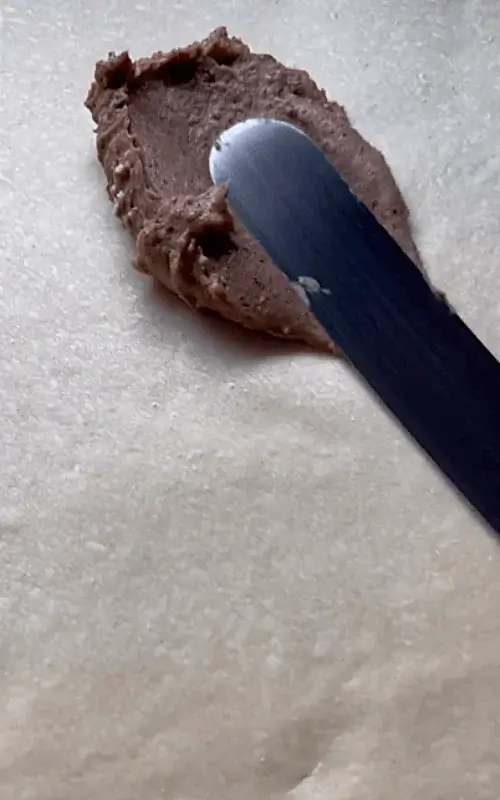
- Combine the filling ingredients in a bowl and mix until smooth.
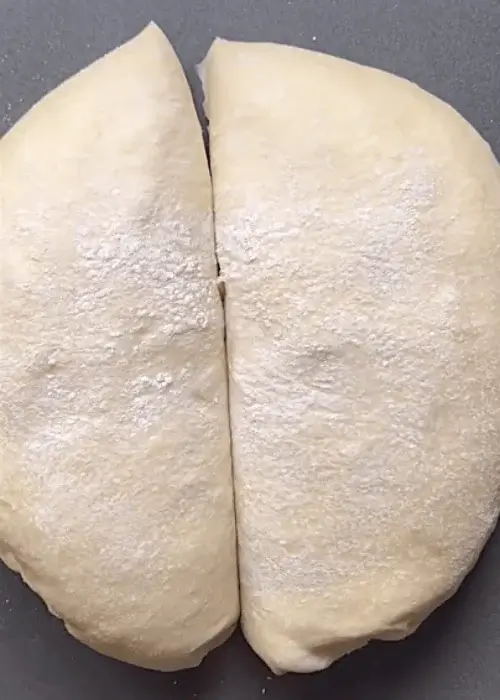
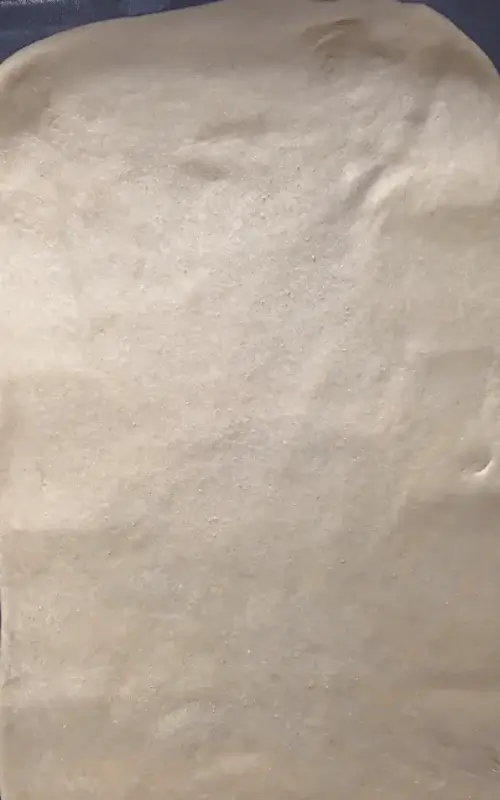
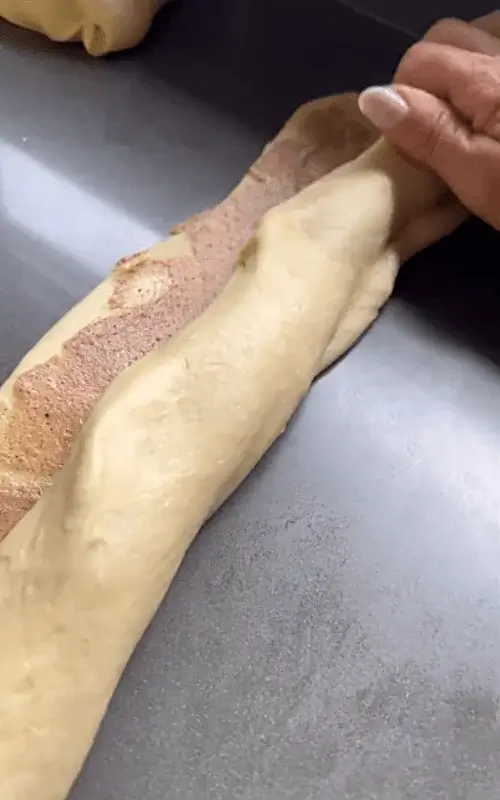
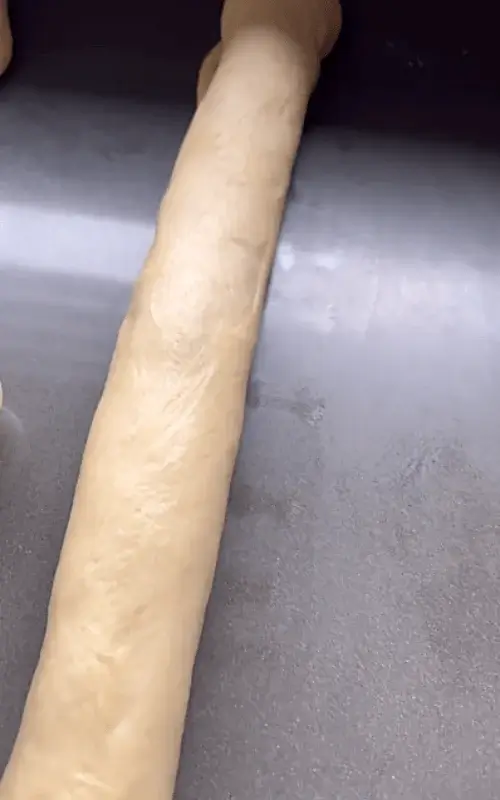
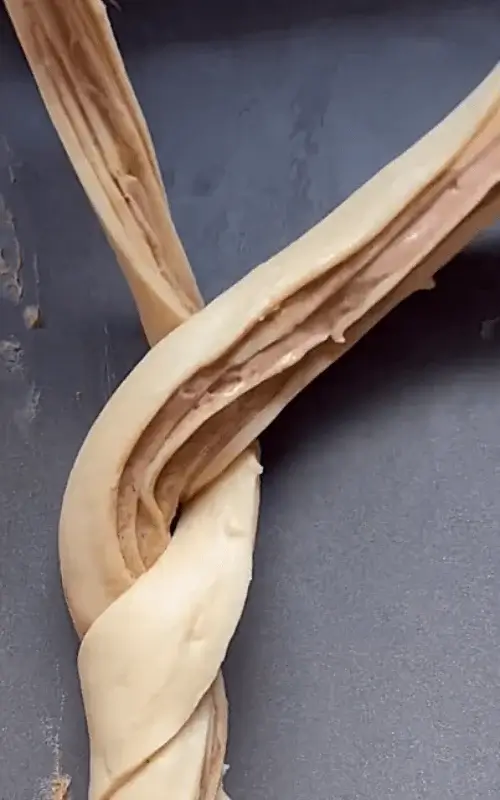
- Divide the dough into two equal portions. Roll each portion into a very thin rectangle. Spread half the filling evenly over each rectangle and roll each tightly into a log.
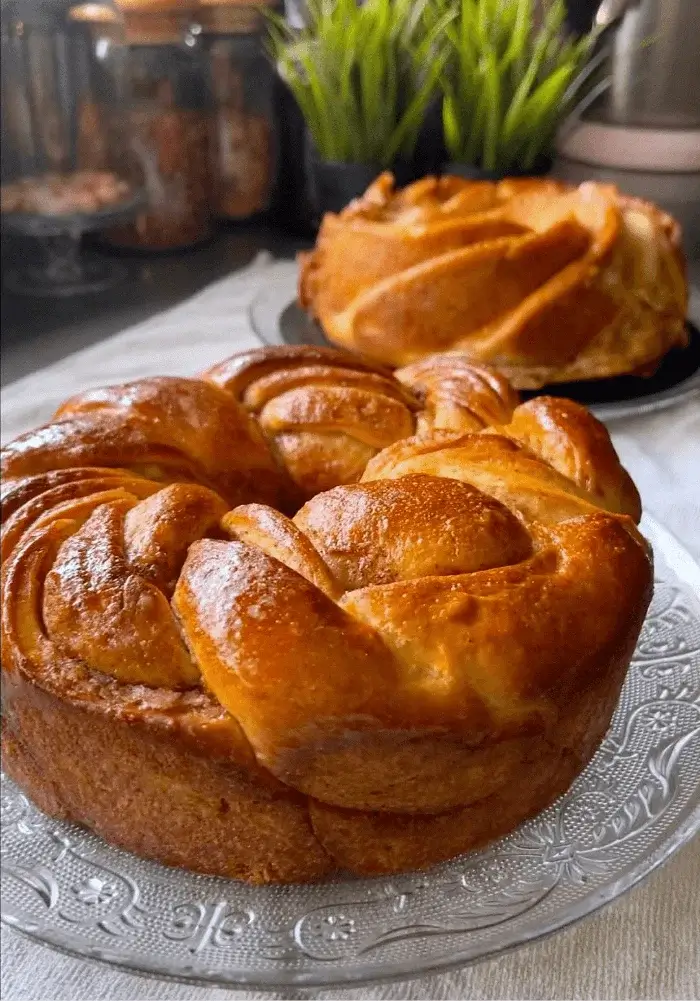
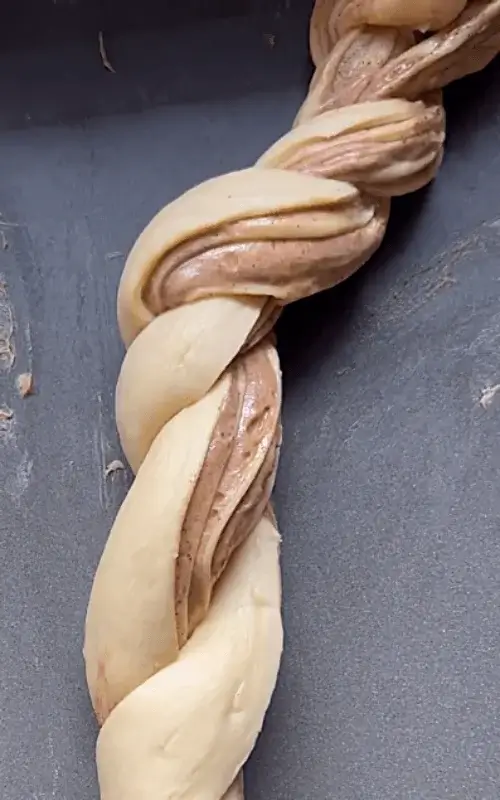
- Place one log in a well-buttered 8¾-inch/22-centimeter decorative cake pan. Cut the second log lengthwise in half, twist the two strands together with the cut sides facing up, and place in a well-buttered Bundt pan.
- Brush both cakes with the beaten egg. Cover and let rise for at least 1½ hours.
- Heat the oven to 340°F/170°C. Bake for 25–30 minutes, until golden brown.
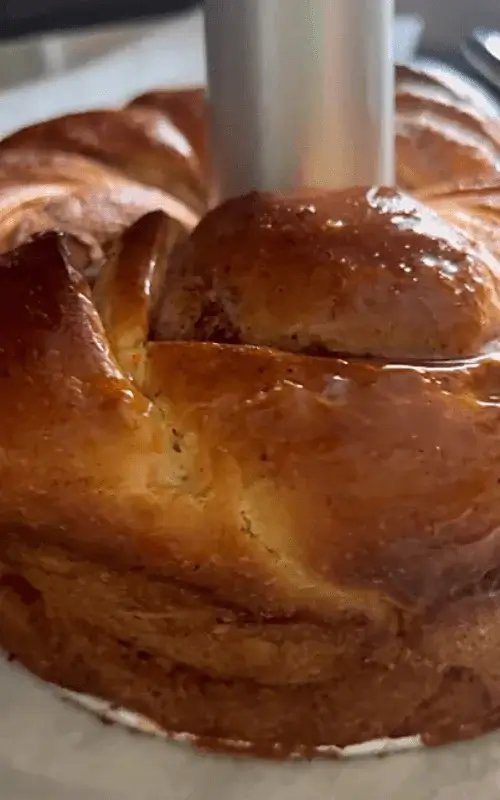
- Remove from the oven and brush generously with the sugar syrup. Let cool and store in an airtight container at room temperature.
FAQ
Why is my dough not rising?
Cinnamon yeast cake dough may fail to rise if the yeast is expired, the liquid is too hot, the room is too cold, or the dough has not been given enough time. Yeast is sensitive to temperature, so excessively hot milk can damage or kill it. Cold surroundings slow fermentation, while the butter, eggs, and sugar in enriched dough can make the rising process slower than expected. Make sure the yeast is fresh and measure the ingredients accurately.
Keep the covered dough in a comfortably warm, draft-free place rather than placing it directly on a hot surface. If the dough has barely expanded after the expected rising period, give it additional time and check the room temperature. Avoid adding excessive flour during kneading, as a stiff, dry dough may be less tender and harder to expand.
Can I make this cinnamon yeast cake without a stand mixer?
Yes, cinnamon yeast cake can be made by hand without a stand mixer. Begin by combining the flour, yeast, sugar, and salt in a large mixing bowl. Add the milk and eggs and mix until a rough dough forms. Work in the softened butter gradually, then knead the dough on a lightly floured surface until smooth, elastic, and reasonably easy to handle. This can take around 12–15 minutes, depending on your technique and the dough’s consistency.
The butter may make the dough feel slippery at first, but continued kneading helps it incorporate. Use only enough additional flour to prevent excessive sticking, since too much can make the finished cake dense. Once the dough is smooth, transfer it to a lightly floured bowl, cover, and let it rise according to the recipe before shaping and baking.
How do you keep the cinnamon yeast cake soft and moist?
Start with properly measured ingredients and avoid adding too much extra flour during kneading. The butter, milk, and eggs enrich the dough, helping create a tender crumb. Allow the dough to rise sufficiently so the cake does not become dense, but avoid leaving it uncovered, as this can dry out the surface.
Bake at the specified temperature and begin checking for doneness around the 25-minute mark. Overbaking can dry out the cake, even when the dough is enriched. One important feature of this recipe is the homemade sugar syrup, which is brushed generously over the cakes immediately after baking. The syrup adds moisture and sweetness as it is absorbed. Once the cakes have cooled, store them in an airtight container at room temperature to limit moisture loss.
How do you shape a cinnamon yeast cake in a Bundt pan?
To shape a cinnamon yeast cake for a Bundt pan, roll the filled dough into a tight log first. Use a sharp knife to cut the log lengthwise down the middle, exposing the cinnamon filling along the cut surfaces. Twist the two strands together while keeping the cut sides facing upward as much as possible. This arrangement displays the cinnamon layers and creates a decorative pattern after baking. Carefully transfer the twisted dough into a well-buttered Bundt pan, arranging it evenly around the central tube.
Avoid stretching the dough excessively or compressing the twist, as this can affect how it expands during the second rise. Cover the pan and let the shaped cake rise for at least 1½ hours before baking. Greasing the pan thoroughly is important because the sugary filling and syrup can make the finished cake more likely to stick.
Why is my cinnamon yeast cake dense instead of fluffy?
A dense cinnamon yeast cake can result from insufficient rising time, inactive yeast, too much flour, or inadequate kneading. The enriched dough in this recipe contains butter, milk, eggs, and sugar, which can slow fermentation compared with lean bread dough. If the first rise is too short, the dough may not develop enough air before shaping.
The second rise is also important because it allows the shaped cakes to expand before baking. Measuring flour by weight helps prevent adding too much, which can produce a stiff dough. Kneading for about 12 minutes, as directed, helps develop the gluten structure needed to hold the expanding gases. Check that the yeast is fresh and avoid exposing it to excessively hot liquid. Finally, allow the cake to bake fully; removing it too early can leave the interior gummy and heavy.
Why does the cinnamon filling leak out of yeast cake?
Cinnamon filling may leak out of yeast cake if the butter is melted rather than softened, the filling is spread too thickly, or the dough is rolled loosely. In this recipe, the filling should be made with very soft butter, powdered sugar, and cinnamon mixed into a smooth paste. Softened butter holds the mixture together better than melted butter, which can run out more easily as the cake heats.
Roll the dough into a tight log without squeezing the filling toward the ends, and handle the dough gently when cutting and twisting it for the Bundt pan. Some filling leakage is normal, especially when the cake expands during baking. Thoroughly buttering the pan helps with release, although it does not prevent leakage. Allowing the cakes to rise fully before baking also helps produce a more even structure around the filling.
What kind of milk works best for cinnamon yeast cake?
Whole milk works well in cinnamon yeast cake because its fat contributes to a tender crumb and richer flavor. The recipe uses 1 cup or 240 grams of milk, which provides moisture for the flour and helps bring the dough together. Reduced-fat milk can also work, although the finished cake may be slightly less rich. Unsweetened, unflavored plant-based milk can be used as a substitute if needed, but different products vary in fat content, protein, and sweetness, so the dough may behave somewhat differently.
Use milk at a moderate temperature rather than very hot, since excessive heat can damage the yeast. Cold milk can slow the initial rise, particularly in an enriched dough containing butter, eggs, and sugar. Regardless of the milk chosen, add the measured amount first and assess the dough before making any adjustments.
How do you know when the cinnamon yeast cake is fully baked?
Cinnamon yeast cake is generally ready when the surface is evenly golden brown and the interior is cooked through. This recipe calls for baking at 340°F/170°C for approximately 25–30 minutes, but actual baking time can vary with the oven, pan material, and dough shape. A Bundt cake may bake differently from a cake in a decorative round pan because the pans distribute heat differently. Check the cakes near the end of the suggested baking time.
If the exterior is browning quickly while the center remains underbaked, the oven temperature may be running high. A food thermometer can help assess doneness; enriched yeast breads are often fully baked when the center reaches approximately 190–200°F/88–93°C. Avoid relying on color alone, since a sugary filling and the surface egg wash can encourage browning before the interior is fully cooked.
How thin should I roll the dough for cinnamon yeast cake?
For this cinnamon yeast cake, roll each portion of dough into a thin rectangle that is large enough to spread the filling evenly and form a tight log. The recipe does not specify exact rectangle dimensions, so the dough’s final thickness will depend on the size of each portion and the pan being used. Aim for an even thickness across the entire rectangle to help the cake bake uniformly and produce consistent cinnamon layers.
If the dough is too thick, the finished cake may have fewer visible swirls and a heavier texture. If it is rolled extremely thin and begins tearing, the filling may leak through weak spots. Lightly flour the work surface and rolling pin as needed, but use minimal additional flour so the dough does not become dry. Let the dough rest briefly if it repeatedly springs back while rolling.
Can I prepare the cinnamon yeast cake the night before?
Yes, you can prepare the cinnamon yeast cake ahead of time, although the best method depends on how much work you want to do the next day. One option is to bake the cakes completely, brush them with the sugar syrup, let them cool, and store them in an airtight container at room temperature. Another option is to prepare and shape the dough, then refrigerate it overnight for a slower rise.
Because the dough contains milk, eggs, and butter, refrigerate it promptly if holding it overnight before baking. Yeast activity slows in the refrigerator, so the dough may need additional time at room temperature before it is ready to bake. Avoid assuming it will be fully proofed after refrigeration; look for visible expansion and a light, airy appearance. For the most predictable result, baking the cakes ahead and storing them properly is often the simplest approach.
Can I use bread flour instead of all-purpose flour for cinnamon yeast cake?
Yes, bread flour can be used instead of all-purpose flour in cinnamon yeast cake, but it may produce a slightly chewier texture. Bread flour typically contains more protein, which helps develop a stronger gluten network during kneading. This structure is useful in yeast doughs, but it can make an enriched cake less tender if the dough becomes overly elastic.
All-purpose flour is a suitable choice for this recipe because it provides enough structure to support the butter, eggs, cinnamon filling, and sugar syrup without making the crumb too chewy. If using bread flour, begin with the same weight of flour and monitor the dough’s consistency. Avoid adding extra flour simply because the dough feels soft or slightly sticky. Knead until the dough is smooth and elastic, then allow it to rise fully before shaping and baking.
What type of yeast is best for cinnamon yeast cake?
Active dry yeast and instant yeast can both be used to make cinnamon yeast cake. The recipe calls for 10 grams of dry yeast, which helps the enriched dough rise and develop its texture. Active dry yeast generally dissolves and activates more reliably when used according to the manufacturer’s instructions, while instant yeast can usually be mixed directly into the dry ingredients.
Both types work well in dough containing butter, milk, eggs, and sugar, although enriched doughs often rise more slowly than lean bread doughs because fat and sugar can slow yeast activity. Check the yeast’s expiration date and store it according to the package directions. If substituting instant yeast for active dry yeast, use approximately the same weight and monitor the dough rather than relying exclusively on a fixed rising time.
Can you freeze this cinnamon yeast cake?
Yes, this cinnamon yeast cake can be frozen, making it convenient to bake ahead or save leftovers. Allow the cake to cool completely after baking and brushing it with sugar syrup. For easier serving, you can freeze the cakes whole or divide them into individual portions. Wrap each cake or portion tightly in plastic wrap, then place it in a freezer-safe bag or airtight container to help prevent freezer burn and odor absorption. Label the package with the date and use the cake within about two to three months for best quality.
When ready to serve, thaw it while still wrapped at room temperature so condensation forms on the wrapping rather than directly on the cake. If desired, warm the thawed cake briefly in a low oven to refresh its texture. Avoid repeatedly freezing and thawing the same cake, since doing so can gradually affect its moisture and texture.
How long should the dough rise?
The dough for this cinnamon yeast cake has two rising periods. The first rise takes approximately 1½–2 hours, depending on the temperature of the room, the activity of the yeast, and the dough’s ingredients. After the first rise, the dough is divided, rolled out, filled with cinnamon butter, and shaped into cakes.
The shaped cakes then need a second rise of at least 1½ hours before baking. Enriched doughs containing butter, milk, eggs, and sugar often rise more slowly than basic bread doughs. Instead of judging readiness by the clock alone, look for dough that has visibly expanded and feels light and airy. If the room is cool, either rise may take longer. Cover the dough during rising to prevent its surface from drying out.
How do you prevent the cinnamon yeast cake from sticking to the pan?
To prevent the cinnamon yeast cake from sticking, grease the entire interior of the pan thoroughly with softened or melted butter before adding the shaped dough. Pay particular attention to the corners, decorative grooves, and central tube of a Bundt pan, where the cake is more likely to catch. Use a pastry brush to distribute the butter into detailed areas.
Because the cinnamon filling and sugar syrup create a sticky surface, careful preparation is especially important. Allow the cake to bake until properly set and golden brown, then let it rest briefly before attempting to release it. Do not leave it in the pan for too long, because sugary residue can firm up as it cools and make removal more difficult. If using a decorative pan, gently loosen the edges with a suitable thin utensil if necessary, taking care not to damage the cake’s surface.