White Bean Spread with Garlic Confit

Watch the Full Step-by-Step
- Blender
- Small saucepan
INGREDIENTS
- 1.1 pounds/500 grams cooked white beans, drained well
- 10 cloves garlic confit
- 2 tablespoons lemon or lime juice
- ½ teaspoon salt, plus more to taste
- ¼ teaspoon black pepper, plus more to taste
For serving:
- ¼ small red onion, finely chopped
- 2 tablespoons parsley, chopped
- 2 tablespoons garlic confit oil
- Coarse salt
- Black pepper
- 3 to 4 cloves garlic confit
Garlic confit:
- 4 heads garlic, cloves separated
- 1½ cups olive oil, or enough to cover the garlic
- 4 fresh thyme sprigs
- 1 small red chili pepper, sliced

INSTRUCTIONS
- Place the garlic cloves in a small saucepan and add enough olive oil to cover. Add the thyme and chili and cook over low heat until the garlic is very tender and lightly golden, about 40 minutes. Remove from the heat and let cool slightly.
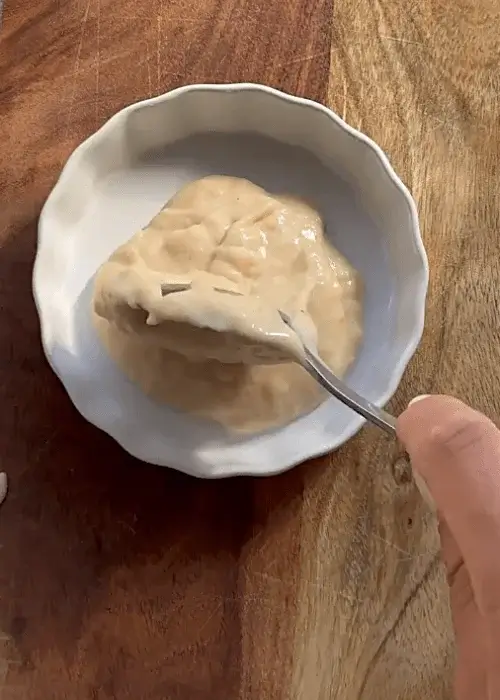
- Combine the beans, 10 cloves garlic confit, lemon or lime juice, salt, and pepper in a blender or food processor. Blend until smooth but still slightly textured, leaving a few tiny pieces of beans.
- Taste and adjust the salt, pepper, and citrus. Transfer to a serving dish and spread into an even layer.
- Drizzle with the garlic confit oil and scatter the red onion, parsley, and 3 to 4 cloves garlic confit over the top. Finish with coarse salt and freshly ground black pepper.
- Serve immediately, or refrigerate in an airtight container for up to 3 days. Let the spread come to room temperature briefly before serving.

FAQ
What type of white beans are best for making a white bean spread?
Cannellini beans are one of the best choices for a white bean spread because they have a creamy texture, relatively thin skins, and a mild flavor that works well with garlic and citrus. Great Northern beans are another good option and tend to produce a slightly lighter, softer spread. Navy beans can also be used, although they are smaller and may create a thicker, more dense texture.
Butter beans, also called large lima beans, produce an especially rich and creamy spread but have a more pronounced flavor. For the recipe, the most important factor is not the exact variety but the beans’ texture and moisture level. Cooked beans should be drained well before blending so the spread does not become loose or watery. If using canned beans, choose beans that are intact and creamy rather than overly firm.
How can you make white bean spread creamier?
For a creamier white bean spread, start with beans that are fully cooked and naturally soft. Cannellini and butter beans are particularly effective because their interiors break down easily during blending. Drain the beans well, then blend them with the garlic confit and citrus until the mixture becomes smooth while retaining the slight texture specified in the recipe. Avoid adding large amounts of liquid at once. If the mixture is too thick, add a small amount of lemon or lime juice or water gradually until the desired consistency is reached.
Garlic confit also contributes softness and richness because the cloves become extremely tender during slow cooking in olive oil. For an especially smooth result, blend for a little longer and scrape down the sides of the blender or food processor as needed. However, this particular white bean spread is intended to retain a few tiny pieces of beans, so completely puréeing it is not necessary.

How do you keep white bean spread from becoming watery?
The best way to prevent a white bean spread from becoming watery is to control the amount of liquid added during preparation. Drain cooked or canned beans thoroughly before blending, and if they appear particularly wet, let them sit in a fine-mesh strainer for several minutes. Avoid adding extra liquid unless the mixture is genuinely too thick. The lemon or lime juice in this recipe should be measured rather than poured in freely, because even a small amount of additional liquid can change the consistency.
Garlic confit oil should also be drizzled over the finished spread rather than blended into the beans unless a looser texture is specifically desired. Blend only until the beans reach a smooth but slightly textured consistency. Overprocessing can sometimes make the mixture appear looser. If the finished spread is too thin, refrigerating it for a short period can help it firm slightly as the bean starches and fats cool.
Can you use different types of beans in a white bean spread?
Yes, you can use several varieties of white beans to make a white bean spread, although their texture and flavor will vary. Cannellini beans are particularly suitable because they are creamy, mild, and relatively easy to blend. Great Northern beans are slightly smaller and also produce a smooth, neutral spread. Navy beans can be used when you want a thicker consistency, while butter beans create a richer, softer mixture because of their larger size and naturally creamy texture.
You can also combine different white bean varieties if that is what you have available. The key consideration is the moisture content of the cooked beans. Beans that are very wet can produce a loose spread, while particularly dry beans may require a small amount of liquid to blend properly. Regardless of variety, drain the beans well before adding them to the blender or food processor. The garlic confit, citrus, salt, and pepper can then be adjusted according to the beans’ flavor and texture.
Can you make white bean spread without a blender or food processor?
Yes, although the texture will be more rustic. A potato masher, sturdy fork, or mortar and pestle can be used to crush the cooked beans and garlic confit. For the smoothest result without an electric appliance, press the beans through a fine-mesh sieve using the back of a spoon or a flexible spatula. This removes some of the bean skins and produces a finer texture, although it requires more effort.
If using a potato masher or fork, mash the beans thoroughly before adding the lemon or lime juice, salt, and pepper. The finished white bean spread will have more visible pieces of bean than the blender version, but this is not necessarily a problem. In fact, a coarse texture can work well when serving the spread as a dip or alongside toasted bread. The important point is to crush the garlic confit completely so it distributes evenly throughout the beans.
Why should white bean spread be brought to room temperature before serving?
Refrigeration makes the texture of a white bean spread firmer and can also mute some of its flavors. Allowing the spread to come to room temperature briefly before serving makes it easier to spread and helps the olive oil, garlic confit, herbs, and citrus become more noticeable. This is particularly useful for this recipe because garlic confit and olive oil are major components of the flavor profile. A cold spread can taste less aromatic and may seem thicker than it actually is.
The recipe does not call for leaving the spread at room temperature for an extended period; it simply recommends allowing it to warm briefly after refrigeration. This preserves the intended texture while maintaining appropriate food-safety practices. Stirring the spread gently after refrigeration can also help restore an even consistency. If it seems excessively thick, a small amount of olive oil can be incorporated before serving.
Can you make white bean spread with dried beans instead of canned beans?
Yes, dried white beans can be used, but they need to be fully cooked before making the spread. Cannellini, Great Northern, and navy beans are all suitable choices. Soak the dried beans according to the package directions, then cook them in fresh water until they are completely tender and easily crushed between your fingers. The beans should be softer than you would typically prepare them for a salad because a softer texture makes blending easier and produces a creamier white bean spread.
Drain the cooked beans thoroughly before measuring the amount needed for the recipe. Do not use the dry weight as a direct substitute for the 17.6 ounces/500 grams of cooked beans in the recipe because dried beans increase substantially in weight and volume during cooking. Allow the beans to cool slightly before blending with the garlic confit, citrus, salt, and pepper. Taste and adjust the seasoning because unsalted home-cooked beans may require more salt than canned beans.

How long does homemade white bean spread last in the refrigerator?
Homemade white bean spread should be stored in an airtight container in the refrigerator and used within about 3 days, as specified in this recipe. Keep the refrigerator at 40°F/4°C or below, and return the spread to the refrigerator promptly after serving. Do not leave it sitting at room temperature for extended periods, particularly if it has been served alongside other foods or handled with used utensils.
The spread may thicken slightly during refrigeration because the bean mixture and olive oil become firmer when cold. This is normal and does not necessarily indicate spoilage. Before serving, allow it to sit at room temperature briefly so the texture and flavors become more pronounced. Always use a clean utensil when taking portions from the container. If the spread develops an unusual odor, visible mold, discoloration, bubbling, or other signs of spoilage, discard it rather than tasting it to determine whether it is safe.
How do you make garlic confit safely for white bean spread?
Garlic confit should be prepared carefully because garlic stored in oil can create conditions suitable for Clostridium botulinum, the bacterium responsible for botulism. For this recipe, the garlic cloves are cooked slowly in olive oil until very tender and lightly golden, then cooled slightly and used immediately. The finished garlic confit and its oil should not be stored at room temperature. If you are making extra garlic confit, refrigerate it promptly in a clean, covered container and use it within a short period rather than keeping it for an extended time.
Do not assume that olive oil, herbs, chili, or refrigeration makes garlic-in-oil indefinitely safe. For longer storage, freezing is a safer option than keeping garlic submerged in oil in the refrigerator for an extended period. The same precautions apply to the garlic confit oil used to finish the white bean spread. When in doubt about previously stored garlic-in-oil, discard it rather than tasting it.

Can you freeze white bean spread?
Yes, white bean spread can generally be frozen, although its texture may change slightly after thawing. Beans themselves freeze well, but the mixture can become somewhat drier, grainier, or separated after freezing and thawing. For best results, freeze the spread in a tightly sealed freezer-safe container, leaving a little space for expansion. You can also divide it into smaller portions so only the amount needed is thawed. Thaw the spread in the refrigerator rather than at room temperature.
Once thawed, stir it thoroughly to recombine any separated oil and bean mixture. If the texture seems dry or stiff, a small amount of olive oil or citrus juice can help restore some creaminess. Because the recipe specifically recommends refrigerating the finished white bean spread for up to 3 days, freezing is better considered a storage alternative rather than necessary for this small batch. Do not repeatedly freeze and thaw the spread.
What can you serve with white bean spread?
White bean spread works well with toasted or grilled bread, pita, flatbread, crackers, fresh vegetables, and roasted vegetables. Its creamy bean base and mild garlic flavor also make it suitable as part of a larger appetizer platter. Sliced cucumbers, bell peppers, carrots, radishes, and cherry tomatoes provide fresh contrast to the rich spread. The lemon or lime juice in the recipe adds acidity, while the garlic confit and olive oil contribute richness, so simple accompaniments usually work best.
It can also be served alongside grilled chicken, roasted fish, or vegetables as a creamy side dish. For a more substantial presentation, spread it onto a serving plate and finish with the garlic confit oil, chopped parsley, red onion, and whole confit garlic cloves, as directed in the recipe. Toasted bread is particularly effective because its crisp texture contrasts with the creamy beans.
What is the best consistency for white bean spread?
The ideal consistency for white bean spread is creamy and cohesive while retaining a small amount of texture from the beans. This recipe specifically calls for blending until smooth but slightly textured, with a few tiny pieces of beans remaining. The mixture should be thick enough to hold its shape when spread onto a plate or piece of bread but soft enough to spread easily with the back of a spoon. It should not be runny, soupy, or overly stiff.
The consistency depends largely on how well the beans are drained and how much citrus juice is added. If the beans contain excess liquid, the finished spread can become watery. Conversely, beans that are particularly dry may produce a dense mixture that is difficult to blend. Blend gradually and assess the texture before adding any extra liquid. The garlic confit also contributes softness and moisture, so additional oil is usually better used as a finishing drizzle rather than added in large amounts during blending.