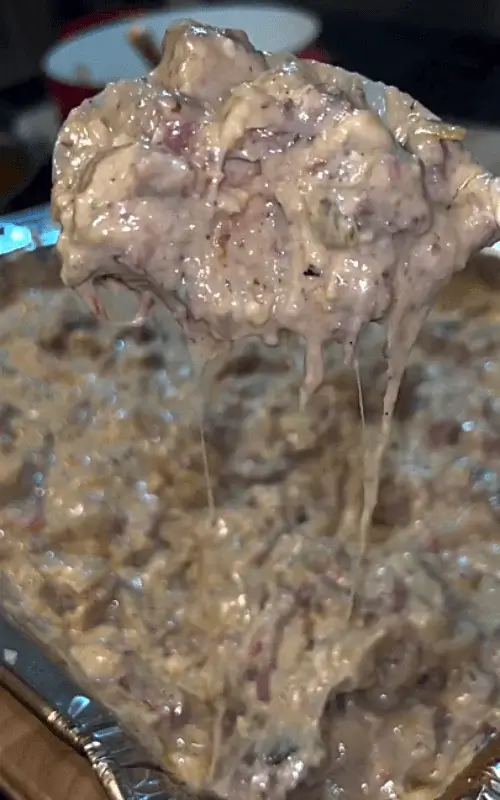
Homemade Smoked Beef Queso Dip
Watch the Full Step-by-Step
- Cast iron skillet
- Thermometer
- Chef's knife
INGREDIENTS
- 3 pounds/1.4 kilograms chuck roast
- 1 tablespoon yellow mustard
- 2 teaspoons salt
- 2 teaspoons black pepper
- 3 tablespoons barbecue seasoning, divided
- 3 cups beef broth
- 8 ounces/225 grams pepper Jack cheese, shredded
- 8 ounces/225 grams sharp Cheddar cheese, shredded
- 8 ounces/225 grams cream cheese, cubed
- 10 ounces/285 grams canned diced tomatoes with their juices
- 4 ounces/115 grams canned diced jalapeños, drained
- 1 medium yellow onion, finely diced
- ¼ cup milk

INSTRUCTIONS
- Heat a smoker to 225°F/110°C.
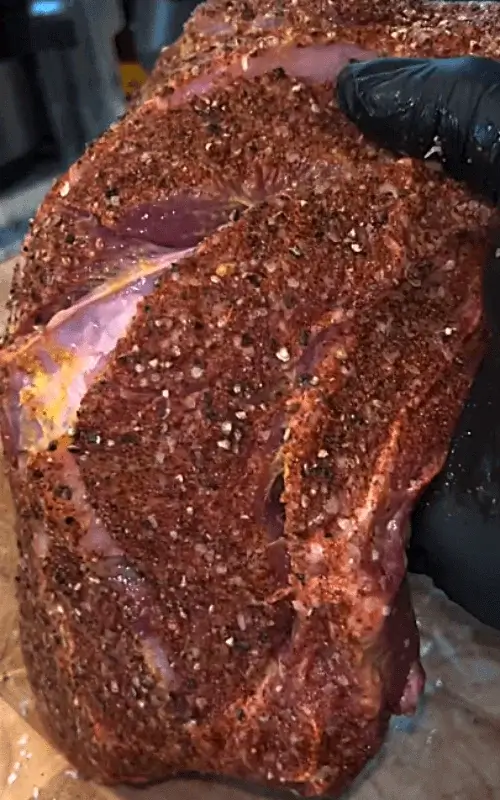
- Pat the chuck roast dry. Rub with the mustard, then season all over with the salt, pepper, and 2 tablespoons of the barbecue seasoning.
- Smoke until the roast develops a deep, dark bark and reaches an internal temperature of 180°F/80°C, 2 to 3 hours.
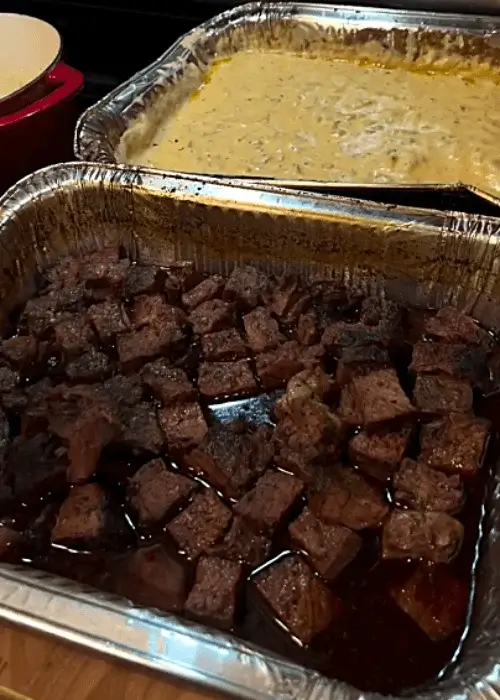
- Transfer the roast to a disposable aluminum pan or baking dish. Pour in the beef broth, sprinkle with the remaining 1 tablespoon barbecue seasoning, cover tightly with foil, and return to the smoker. Cook until the beef is very tender and shreds easily with a fork, 2 to 3 hours more.
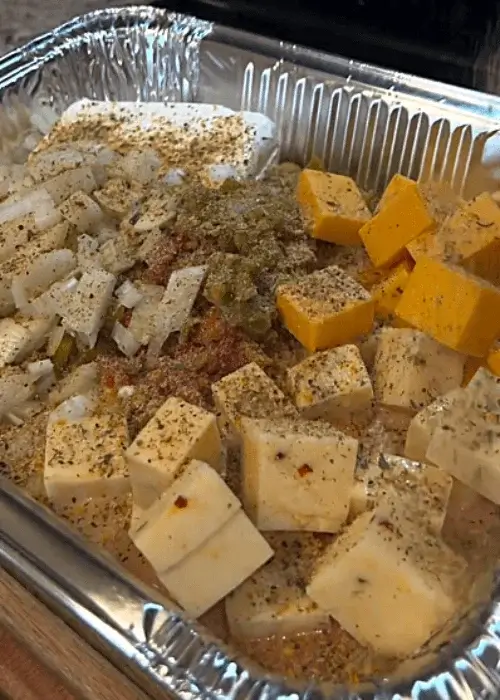
- Meanwhile, combine the pepper Jack, Cheddar, cream cheese, tomatoes with their juices, jalapeños, onion, and milk in a cast-iron skillet or disposable aluminum pan.
- Place the queso on the smoker and cook, stirring occasionally, until the cheeses are melted and the dip is smooth, 30 to 45 minutes.
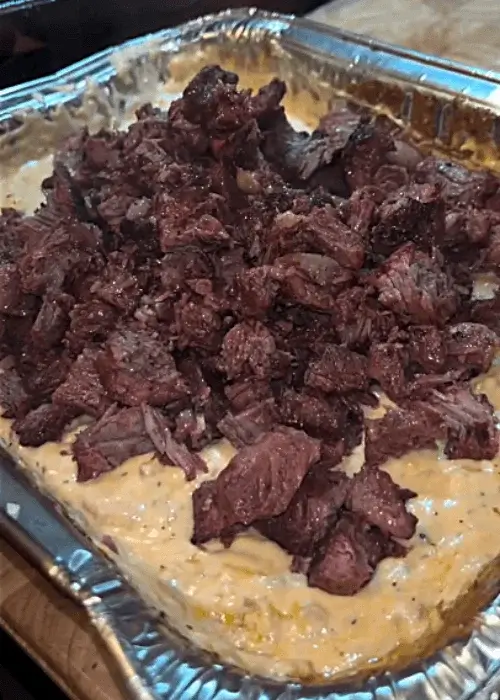
- Finely chop or shred the beef and stir it into the queso until evenly combined. If the dip is too thick, stir in a little more milk until it reaches the desired consistency.
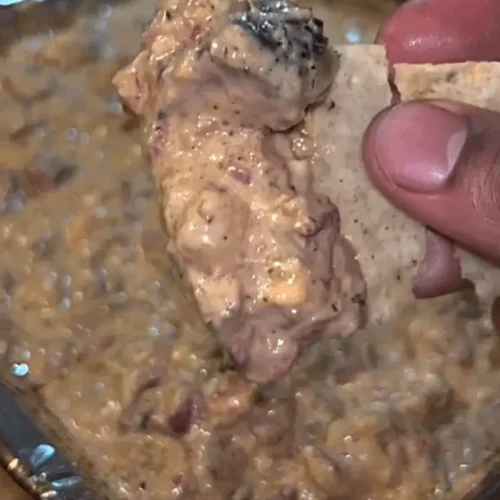
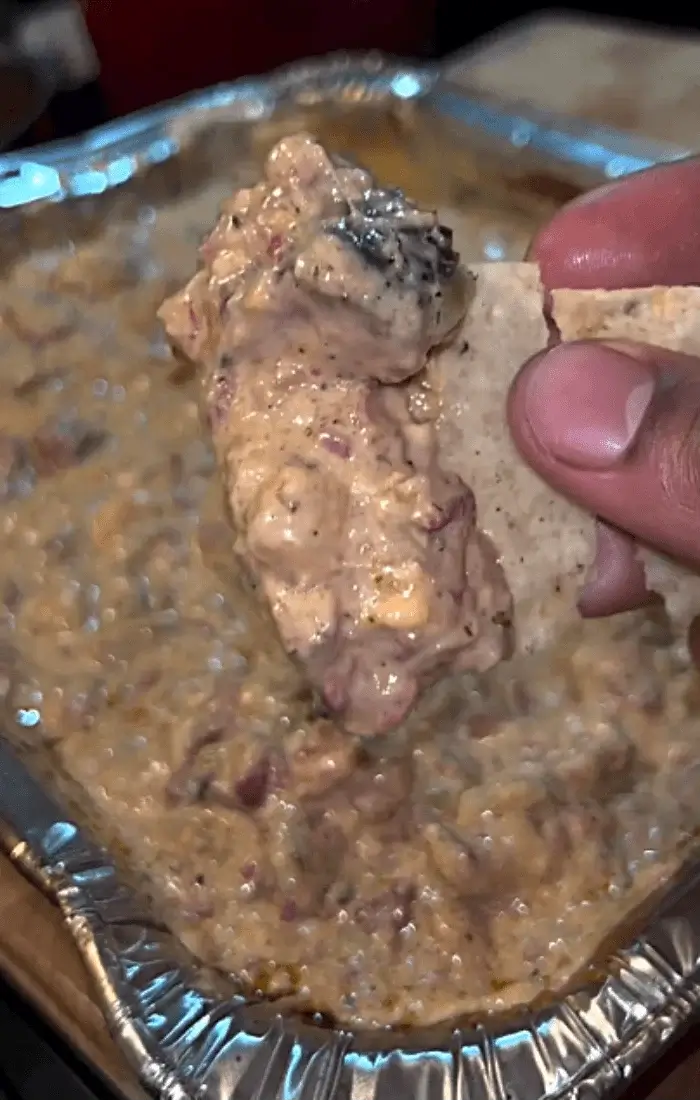
- Serve hot with tortilla chips or toasted bread.
FAQ
Can I make smoked beef queso dip without a smoker?
Yes. Although smoking provides the signature flavor of smoked beef queso dip, the recipe can be adapted for an oven. Roast the chuck roast at a low temperature until tender, then braise it in beef broth until it shreds easily. To introduce a smoky flavor, season the meat with a barbecue rub containing smoked paprika or use a small amount of liquid smoke in the braising liquid or cheese mixture.
The queso can be prepared on the stovetop or in the oven until the cheeses melt completely. While the finished dip will not have the same depth of smoke as one cooked in a smoker, the beef will still become tender and flavorful, making it an excellent alternative for cooks who do not own outdoor smoking equipment.
Can I freeze smoked beef queso dip?
Smoked beef queso dip can be frozen, although the texture may change slightly after thawing. Dairy-based sauces sometimes separate when frozen because the fat and moisture can separate during the freezing process. To minimize this, allow the dip to cool completely before transferring it to freezer-safe containers, leaving a little room for expansion.
Freeze for up to two months. Thaw overnight in the refrigerator before reheating slowly over low heat. Stir frequently while reheating, adding a little milk if necessary to restore a creamy consistency. While freshly made queso always has the best texture, properly reheated leftovers are still flavorful and enjoyable.
What type of cheese works best for smoked beef queso dip?
A combination of cheeses produces the best texture and flavor in smoked beef queso dip. Pepper Jack contributes creaminess and mild heat, while sharp Cheddar adds a deeper, more pronounced cheese flavor. Cream cheese helps stabilize the dip and creates a silky consistency that stays smooth as it cools.
Freshly shredding block cheese is recommended because pre-shredded cheese often contains anti-caking agents that can prevent smooth melting. Monterey Jack, white Cheddar, Gouda, mozzarella, or Colby Jack can also be incorporated depending on personal preference. Combining two or three cheeses usually creates better flavor complexity than relying on a single variety, while maintaining a creamy consistency suitable for dipping.
Can I use leftover brisket instead of chuck roast?
Absolutely. Leftover smoked brisket is one of the best substitutes for chuck roast in smoked beef queso dip. Since brisket has already been smoked, it only needs to be chopped or shredded before being mixed into the melted cheese. The rich bark and rendered fat from brisket add even more smoky flavor to the dip.
If the brisket has dried out slightly in the refrigerator, warming it in a small amount of beef broth before adding it to the queso helps restore moisture. This recipe is an excellent way to use leftover barbecue while creating a completely different dish that still showcases the flavor of smoked beef.
Why does my cheese separate?
Cheese usually separates when it’s exposed to excessive heat or cooked for too long. As the proteins tighten, the fat is forced out, creating an oily appearance. To prevent this in smoked beef queso dip, melt the cheese gently and avoid allowing it to boil.
Cream cheese helps stabilize the mixture, while freshly shredded cheese melts more evenly than pre-shredded varieties. If separation begins, remove the pan from the heat and stir gently until the sauce becomes smooth again. Adding a small splash of warm milk may also help restore the texture.
Can I use a different cut of beef for smoked beef queso dip?
Chuck roast is the preferred cut because it contains abundant connective tissue and marbling that break down during slow cooking, resulting in tender, flavorful meat. However, smoked beef queso dip can also be made with brisket, beef shoulder, or beef cheeks if they are cooked low and slow until tender.
Leftover smoked brisket is especially convenient because it only needs to be chopped and stirred into the queso. Leaner cuts such as sirloin or round roast are generally not recommended because they can become dry and chewy after extended cooking. Choosing a well-marbled cut ensures the meat remains juicy and complements the richness of the melted cheese.
Can I make smoked beef queso dip in a slow cooker?
Yes. A slow cooker is an excellent way to prepare or serve smoked beef queso dip, especially for parties or game days. If you’re making the recipe from scratch, smoke and braise the chuck roast as directed until it becomes fork-tender. Separately melt the cheeses with the tomatoes, jalapeños, onion, and milk, then combine everything in a slow cooker.
Set it to the Warm setting or Low if you’re serving it over several hours. Stir every 30 to 45 minutes to maintain a smooth consistency. If the queso begins to thicken, add a splash of milk and stir until creamy again. The slow cooker also helps prevent the cheese from cooling and becoming firm, making it ideal for buffets and large gatherings.
Why is my smoked beef queso dip grainy?
A grainy texture usually means the cheese became too hot or melted too quickly. Cheese contains proteins that tighten when exposed to high temperatures, causing the sauce to separate. Using freshly shredded cheese instead of pre-shredded varieties helps create a smoother dip because it contains fewer anti-caking additives.
Keeping the heat low and stirring occasionally also prevents overheating. Cream cheese acts as a stabilizer, helping the sauce stay creamy even during extended cooking. If smoked beef queso dip begins to look grainy, removing it from direct heat and stirring in a small amount of warm milk can often improve the texture before serving.
How do I know when the chuck roast is done?
Internal temperature provides a useful guide, but tenderness is the most reliable indicator. During the initial smoking stage, the chuck roast develops bark and reaches approximately 180°F before moving to the braising stage. As it continues cooking in beef broth, the collagen gradually breaks down into gelatin, making the meat tender.
The roast is finished when a fork slides in easily and the meat shreds with very little resistance. Depending on the size of the roast and the consistency of the smoker temperature, this can take several hours beyond the initial smoking period. Allowing the beef to become fully tender ensures smoked beef queso dip has a pleasant texture without chewy pieces.
How should I store and reheat smoked beef queso dip?
Allow smoked beef queso dip to cool before transferring it to an airtight container. It can be refrigerated for up to four days. Reheat the dip gently over low heat on the stovetop, in a microwave using short intervals with frequent stirring, or in a slow cooker set to low or warm.
Because cheese sauces naturally thicken when chilled, adding a splash of milk during reheating helps restore a smooth consistency. Avoid reheating over high heat, which can cause the cheese to separate or become grainy. If frozen, thaw the dip overnight in the refrigerator before reheating, although the texture may be slightly less creamy than when freshly made.
Can I add other ingredients to smoked beef queso dip?
Smoked beef queso dip is highly customizable. Popular additions include cooked bacon, black beans, corn, diced green chiles, roasted poblano peppers, fire-roasted tomatoes, sautéed mushrooms, caramelized onions, or chopped cilantro.
Some cooks also stir in a splash of beer or Worcestershire sauce to deepen the flavor. Additional toppings such as sliced jalapeños, green onions, diced avocado, or crumbled queso fresco can be added just before serving. These ingredients allow you to personalize the recipe while maintaining its creamy, smoky character.
How do I keep smoked beef queso dip creamy?
Maintaining a low cooking temperature is the key to keeping smoked beef queso dip smooth. High heat can cause cheese proteins to tighten, leading to a grainy or oily texture. Using cream cheese helps stabilize the sauce, while freshly shredded cheese melts more evenly than pre-shredded varieties.
Stirring occasionally distributes heat evenly and prevents scorching along the edges of the pan. If the queso thickens while serving, gradually stir in small amounts of warm milk until it returns to the desired consistency. Serving the dip in a slow cooker set to the warm setting is another effective way to keep it creamy throughout a party without overcooking it.
What should I serve with smoked beef queso dip?
Tortilla chips are the classic choice because they provide enough structure to support the thick, hearty dip. Toasted baguette slices, crusty bread, pita chips, pretzel bites, and buttery crackers also work well. For lighter options, serve celery sticks, carrot sticks, sliced bell peppers, broccoli florets, or cucumber rounds.
The dip can also be spooned over baked potatoes, French fries, nachos, burgers, or grilled vegetables. Some even use smoked beef queso dip as a topping for tacos, burritos, or loaded baked potatoes to add extra richness and smoky flavor.
Can I use fresh tomatoes instead of canned tomatoes?
Yes, although canned diced tomatoes are generally more consistent in flavor and moisture. If using fresh tomatoes, choose ripe Roma or vine-ripened tomatoes with relatively low water content. Dice them finely and remove excess seeds if they appear especially juicy.
Fresh tomatoes contribute a brighter flavor but may require a slightly longer cooking time to soften completely. If the queso becomes too thick after the tomatoes cook down, simply stir in a little extra milk to maintain the desired consistency.