White Chocolate Brownies Recipe
Watch the Full Step-by-Step
- Square 8-inch/20-centimeter baking pan
- Medium saucepan
- Large mixing bowl
- Rubber spatula
- Fine-mesh sieve
- Kitchen scale
INGREDIENTS
- 4 ounces/100 grams unsalted butter, cut into pieces
- ½ cup granulated sugar
- ⅓ cup/30 grams unsweetened cocoa powder, sifted
- ½ teaspoon salt
- ⅓ teaspoon baking powder
- 1 large egg
- 1 large egg yolk
- ½ cup plus 1 tablespoon/70 grams all-purpose flour
- ⅓ cup/60 grams dark chocolate chips
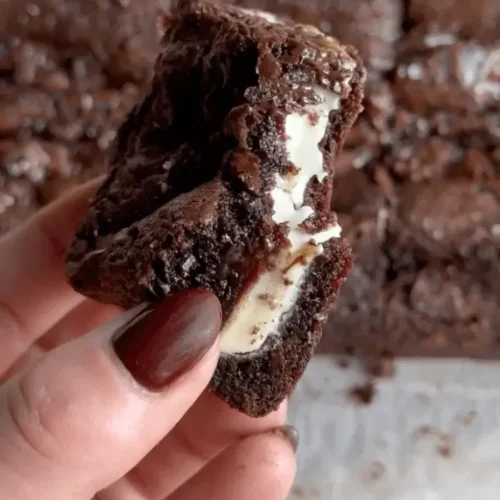
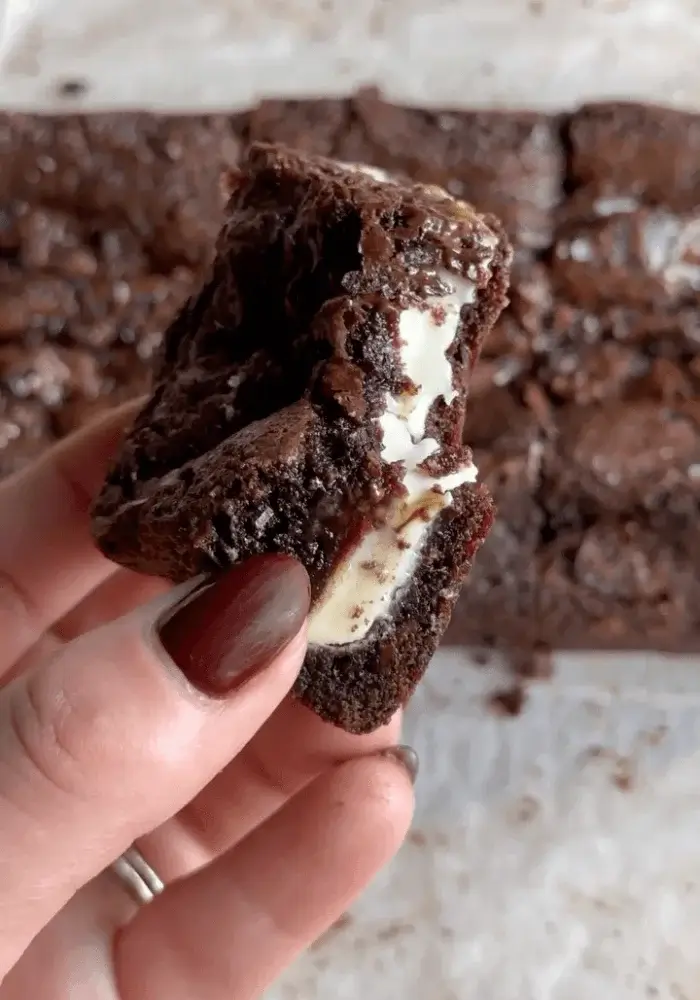
- 4 ounces/115 grams white chocolate, cut into 12 squares
- Flaky sea salt, for topping

INSTRUCTIONS
- Heat the oven to 350°F/175°C. Line an 8-inch/20-centimeter square baking pan with parchment paper.
- Melt the butter over low heat. Remove from the heat and let cool for a few minutes. Whisk in the sugar until smooth and glossy.
- Whisk in the egg and egg yolk until fully incorporated.
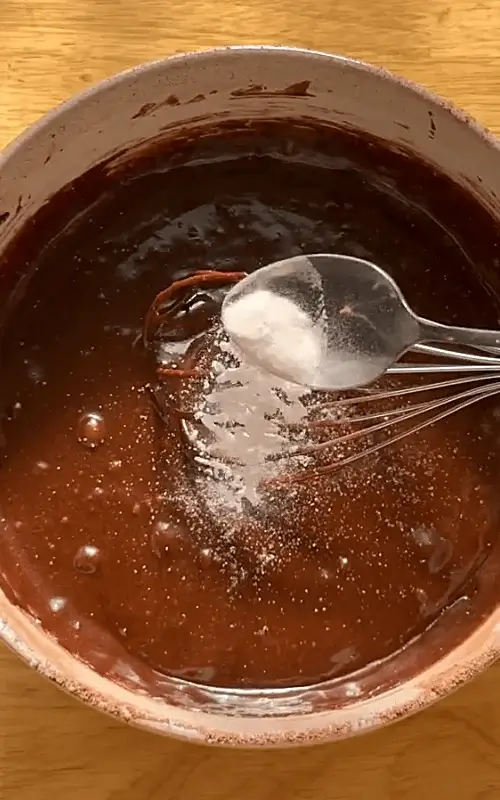
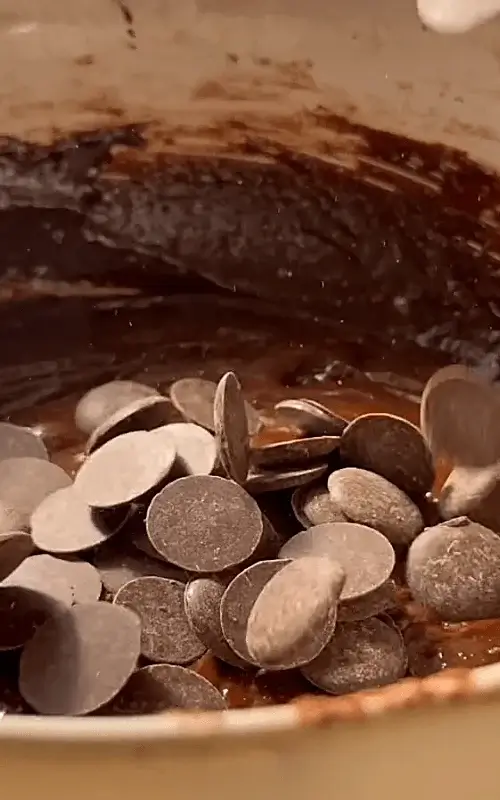
- Add the cocoa powder, salt, baking powder, and flour. Stir just until no dry streaks remain, then fold in the dark chocolate.
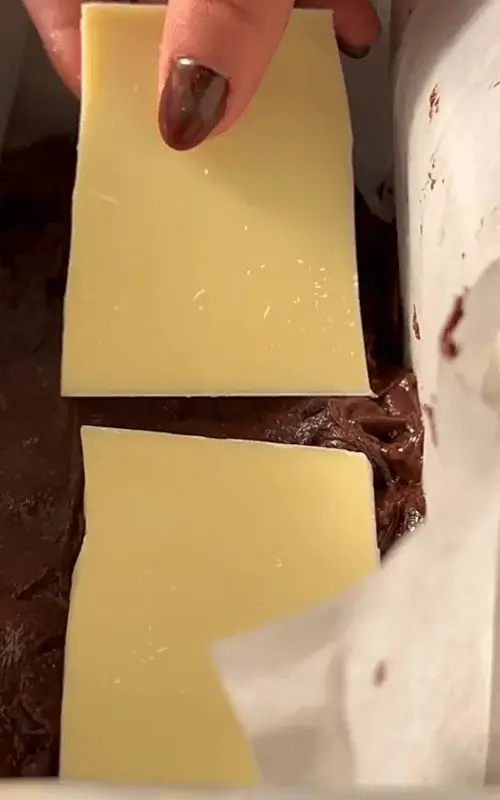
- Spread half the batter evenly in the prepared pan. Arrange the white chocolate in a single layer over the batter, leaving a small border around the edges. Top with the remaining batter and smooth the surface.
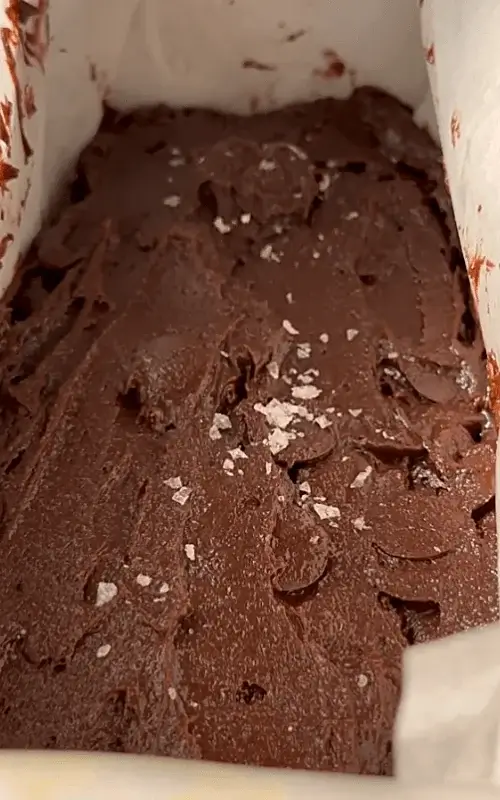
- Sprinkle lightly with flaky sea salt.
- Bake until the top is set and crackly and the edges are just firm, 25 to 27 minutes. The center should still look slightly underdone. For an even gooier center, bake for about 20 minutes.
- Transfer the pan to the freezer and chill until the brownies are firm enough to slice cleanly, 45 to 60 minutes.
- Store in an airtight container in the refrigerator for up to 5 days.
FAQ
How do I know when the brownies are done baking?
Brownies should be removed from the oven before they appear completely baked. In this white chocolate brownies recipe, the top should have a thin, crackly crust, and the edges should look set while the center still appears slightly soft. A toothpick inserted into the center should come out with a few moist crumbs attached rather than wet batter.
If it comes out completely clean, the brownies may be overbaked and less fudgy. Oven temperatures can vary, so begin checking around the 20-minute mark if you prefer a gooey center or around 25 minutes for a slightly firmer texture. The brownies will continue to set as they cool and chill, so resist the temptation to bake them until they seem fully firm in the oven.
Can I add espresso powder to this white chocolate brownies recipe?
Yes, a small amount of espresso powder can enhance the chocolate flavor without making the brownies taste like coffee. About 1 teaspoon is usually enough to deepen the cocoa flavor in this white chocolate brownies recipe.
Espresso powder works by intensifying the natural richness of chocolate rather than adding a noticeable coffee taste. Stir it into the dry ingredients so it dissolves evenly throughout the batter. Instant coffee granules are not an ideal substitute because they do not dissolve as smoothly and may leave small specks in the finished brownies.
Can I use Dutch-process cocoa powder instead of natural cocoa powder?
Yes, either natural or Dutch-process cocoa powder can be used in this white chocolate brownies recipe, although the flavor will differ slightly. Natural cocoa powder has a brighter, more acidic chocolate flavor that pairs well with the sweetness of the white chocolate center. Dutch-process cocoa is treated to reduce acidity, resulting in a darker color and a smoother, more mellow chocolate taste.
Since this recipe contains only a small amount of baking powder rather than baking soda, either type of cocoa will work without significantly affecting the rise. Use a high-quality cocoa powder for the richest flavor, and always sift it before mixing to eliminate lumps and ensure a smooth batter.
Why do my brownies sink slightly after baking?
A slight dip in the center is completely normal for a fudgy white chocolate brownies recipe. Brownies continue to set as they cool, and because they contain less flour than cakes, the center naturally settles a bit after leaving the oven. This is especially true when the brownies are intentionally removed while still slightly underbaked for a gooey texture.
A dramatic collapse, however, may indicate underbaking or opening the oven door too early. As long as the edges are set and the center contains moist crumbs rather than liquid batter, a small amount of sinking is expected and does not affect the quality.
What is the best way to store leftover brownies?
Store leftover brownies in an airtight container in the refrigerator to maintain their texture and freshness. Because this white chocolate brownies recipe has a soft, gooey center, refrigeration helps keep the chocolate filling stable and prevents the brownies from becoming overly soft. Separate layers with parchment paper if stacking multiple pieces.
Before serving, allow the brownies to sit at room temperature for 15 to 20 minutes for a softer bite and more pronounced chocolate flavor. If you need to store them for longer than five days, freeze individual portions in airtight wrapping. Proper storage helps preserve moisture while preventing the brownies from absorbing odors from other foods in the refrigerator.
Can I add flavor extracts to this white chocolate brownies recipe?
Yes, flavor extracts can complement the chocolate without changing the texture. Vanilla extract is the most common addition and enhances both the cocoa and white chocolate flavors. Almond extract provides a subtle nutty aroma, while peppermint extract creates a holiday-inspired variation.
Because extracts are concentrated, use them sparingly, usually about ½ to 1 teaspoon, depending on the flavor. Stir the extract into the batter with the eggs so it disperses evenly. Avoid using too much, as strong extracts can overpower the chocolate and mask the balanced flavor profile of this white chocolate brownies recipe.
Why is my brownie batter so thick?
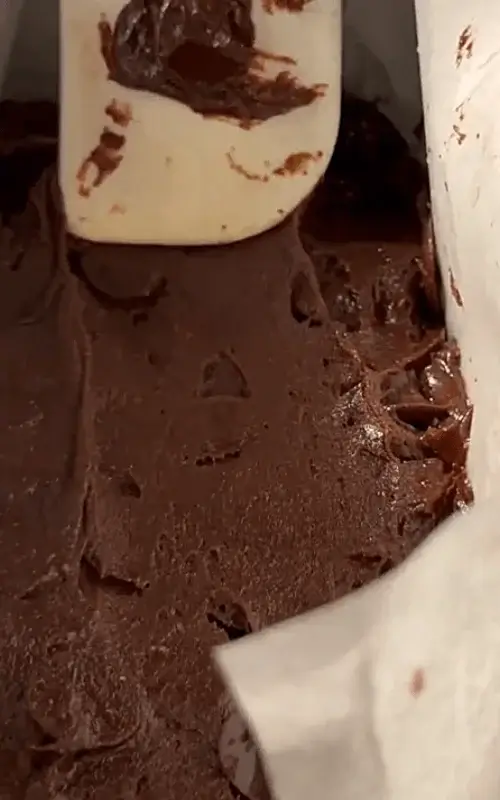
A thick batter is completely normal for this white chocolate brownies recipe. Brownie batter should be much thicker than cake batter because it contains less liquid and more fat, which creates the dense, chewy texture brownies are known for. As long as the ingredients have been measured accurately, there is no need to thin the batter with milk or water.
Folding the flour in gently also helps maintain the proper consistency. If the batter seems unusually stiff, make sure the butter was not too cool before mixing and verify that the flour was measured correctly. Using a kitchen scale is the most accurate way to ensure the proper ingredient ratios.
How can I get clean, bakery-style brownie slices?
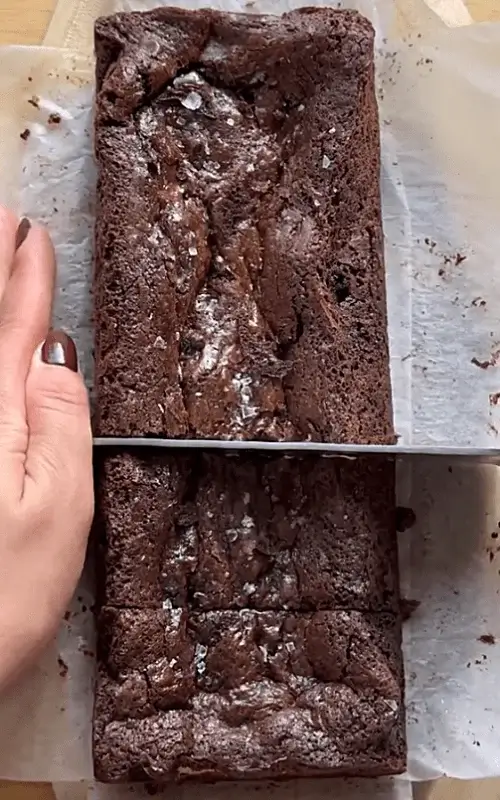
For neat, professional-looking brownies, chill this white chocolate brownies recipe until completely firm before cutting. Use a long, sharp chef’s knife rather than a serrated knife, and wipe the blade clean after every cut. Some bakers also warm the knife under hot water, dry it thoroughly, and then slice, repeating the process between cuts.
Lifting the brownies from the pan using the parchment paper before cutting makes the process much easier. Measuring and marking the portions before slicing also helps create evenly sized squares, which is especially useful if serving guests or packaging the brownies as gifts.
Can I add nuts to this white chocolate brownies recipe?
Yes, chopped nuts make an excellent addition to this white chocolate brownies recipe if you enjoy extra texture. Walnuts, pecans, hazelnuts, and almonds all pair well with the rich chocolate flavor. Stir about ½ to ¾ cup of toasted, chopped nuts into the batter along with the dark chocolate chips.
Toasting the nuts beforehand enhances their flavor and helps them stay crisp after baking. Keep the pieces relatively small so they distribute evenly without interfering with the layer of white chocolate in the center.
Can I make this white chocolate brownies recipe gluten-free?
Yes, you can adapt this white chocolate brownies recipe by replacing the all-purpose flour with a high-quality 1-to-1 gluten-free baking flour that contains xanthan gum. This type of flour is formulated to replace wheat flour without requiring additional ingredient adjustments. The brownies may be slightly more delicate, but they should still have a rich, fudgy texture.
Measure the flour carefully, preferably by weight, to maintain the proper consistency. Also check that your cocoa powder, chocolate chips, baking powder, and white chocolate are certified gluten-free if the brownies are being prepared for someone with celiac disease or a gluten sensitivity.
What makes this white chocolate brownies recipe fudgy?
The texture of a white chocolate brownies recipe depends largely on the ratio of fat, flour, eggs, and leavening. This recipe uses a relatively small amount of flour compared to the butter and chocolate, creating a dense, moist crumb instead of a light, airy texture. Only one egg and one egg yolk are used, which adds richness without making the brownies rise too much. The small amount of baking powder provides just enough lift while allowing the brownies to remain soft and chewy.
Melting the butter before mixing also helps create a smooth batter that bakes into a rich consistency. Avoid overmixing once the flour is added, as excessive gluten development can make brownies tougher. Removing them from the oven while the center is still slightly underdone is another key step for achieving a fudgy interior.
Can I use white chocolate chips instead of a white chocolate bar?
Yes, but the results will be different. A white chocolate bar melts more evenly and creates a smoother, gooier center because it contains more cocoa butter than most white chocolate chips. Chips are formulated to hold their shape during baking, so they tend to soften rather than fully melt. If using chips, distribute them evenly across the center layer or mix them directly into the batter for pockets of white chocolate throughout.
For the best texture in this white chocolate brownies recipe, choose high-quality white chocolate with cocoa butter listed among the first ingredients. Avoid products labeled as white baking chips made primarily with vegetable oils, as they will not melt as smoothly or provide the same creamy consistency.