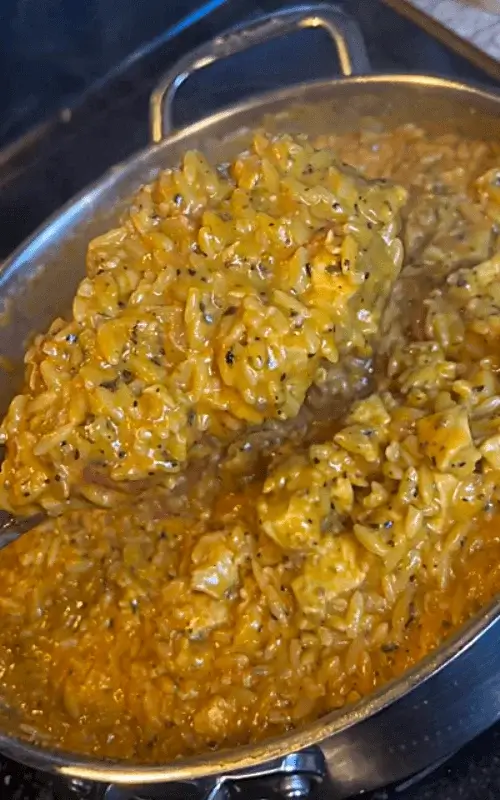
One-Pan Creamy Chicken Orzo
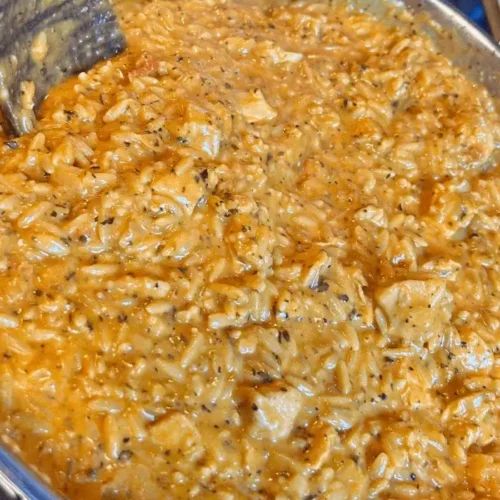
Watch the Full Step-by-Step
- Large skillet
- Chef's knife
- Box grater
INGREDIENTS
- 1.5 pounds/680 grams boneless, skinless chicken thighs, cut into 1-inch pieces
- 1 teaspoon salt, plus more to taste
- ½ teaspoon black pepper, plus more to taste
- ½ teaspoon ground cumin
- 1 teaspoon dried oregano
- 1½ teaspoons Italian seasoning
- ½ teaspoon smoked paprika
- 1 tablespoon oil
- 2 tablespoons unsalted butter
- 1 small yellow onion, finely diced
- 1½ cups cherry tomatoes, halved
- 6 garlic cloves, minced, divided
- 1 tablespoon tomato paste
- 1½ cups/270 grams dry orzo
- ½ cup dry white wine
- 4 cups/1 liter hot chicken stock
- ¾ cup heavy cream
- ½ cup Parmesan, finely grated, plus more for serving
- ¼ teaspoon red pepper flakes, optional
- 1 teaspoon fresh lemon juice, optional

INSTRUCTIONS
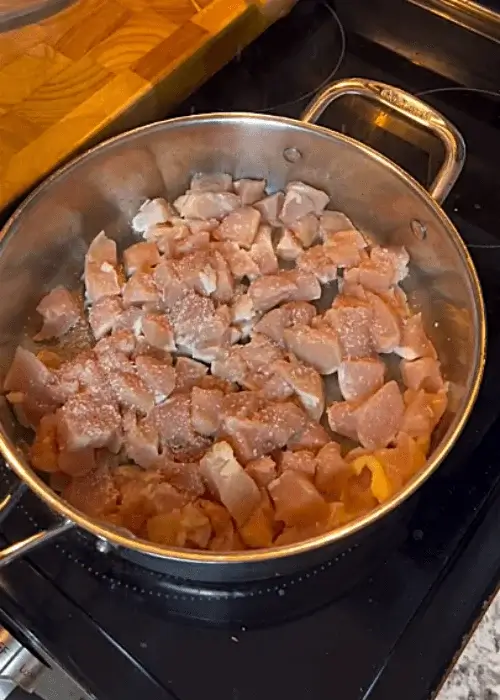
- Season the chicken with the salt, pepper, cumin, oregano, Italian seasoning, and smoked paprika.
- Heat the oil in a large Dutch oven or deep skillet over medium-high. Cook the chicken until browned, 5 to 7 minutes. Transfer to a plate.
- Reduce the heat to medium. Melt the butter, then add the onion and tomatoes. Cook until the onion is soft and the tomatoes have broken down, 8 to 10 minutes.
- Stir in half the garlic and cook for 30 seconds. Add the tomato paste and cook until slightly darkened, about 1 minute.
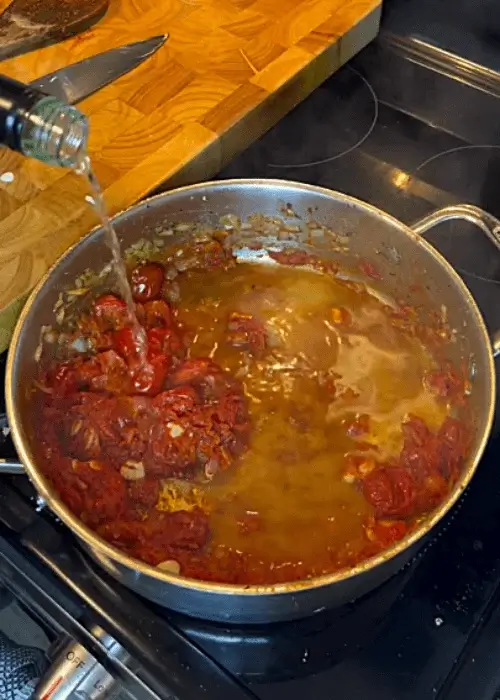
- Add the wine and scrape up any browned bits. Simmer until nearly evaporated.
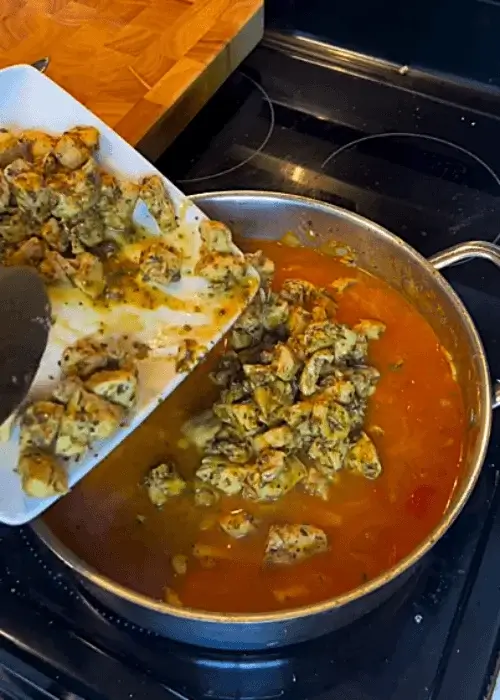
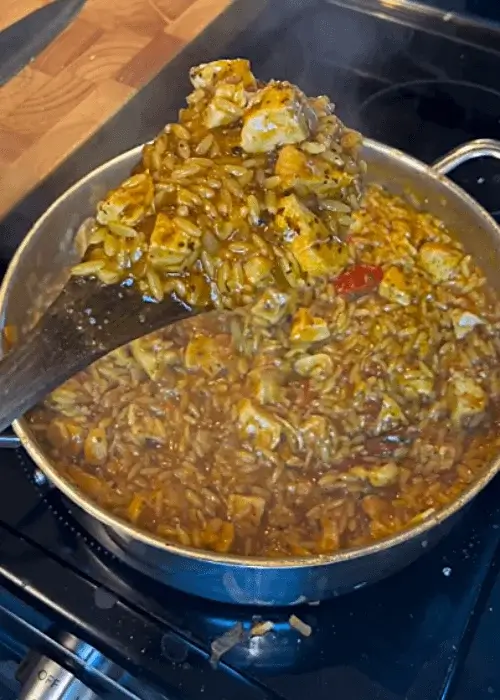
- Stir in the orzo and cook for 1 to 2 minutes. Add the stock and return the chicken and any juices to the pan. Simmer, stirring often, until the orzo is tender and most of the liquid has been absorbed, 10 to 12 minutes.
- Stir in the cream and remaining garlic. Cook until the sauce thickens slightly, 2 to 3 minutes.
- Remove from the heat and stir in the Parmesan until melted. Season to taste with salt and pepper. Add the red pepper flakes or lemon juice, if using, and serve with more Parmesan.
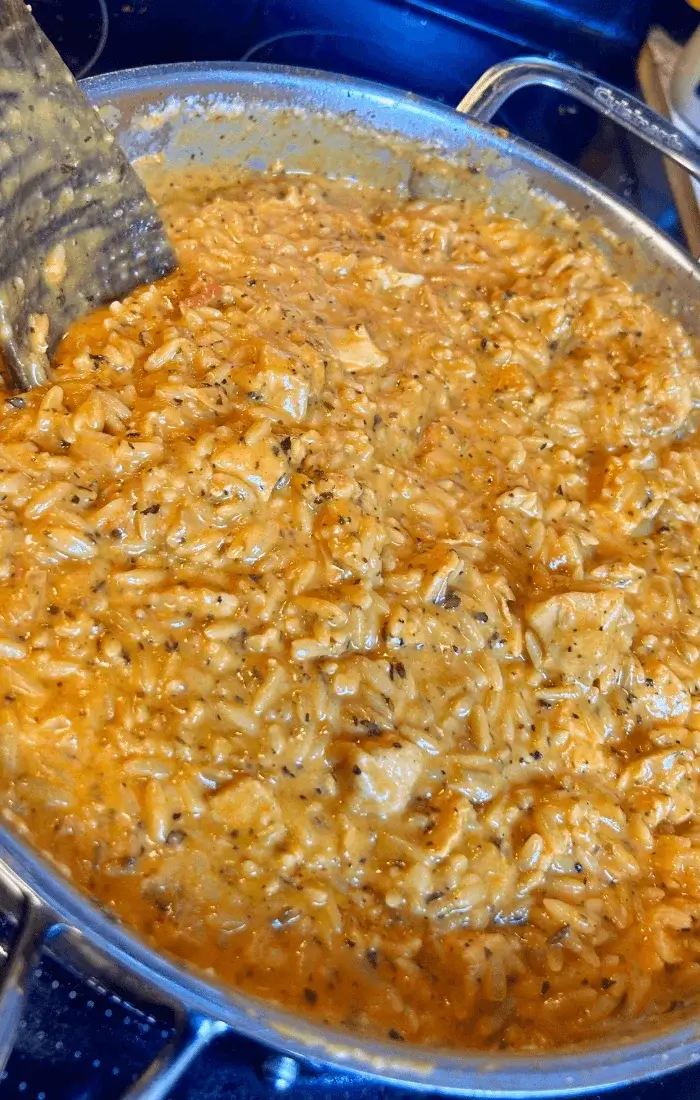
FAQ
Can I use chicken breast instead of chicken thighs for creamy chicken orzo?
Yes, chicken breast is an excellent substitute for chicken thighs in creamy chicken orzo if you prefer leaner meat. Boneless, skinless chicken breasts should be cut into evenly sized pieces so they cook at the same rate. Because breast meat contains less fat than thighs, it cooks more quickly and can become dry if left over high heat for too long.
Brown the chicken breast until just cooked on the outside, then remove it from the pan as directed in the recipe. When the orzo is nearly finished cooking, the chicken will finish cooking gently in the simmering broth, helping it stay tender. Chicken thighs remain more forgiving because of their higher fat content, but chicken breast still produces excellent results when handled carefully. Both cuts absorb the flavors of the broth, herbs, garlic, and Parmesan well.
How do I know when the orzo is fully cooked?
The orzo is ready when it is tender but still has a slight bite, similar to properly cooked risotto or other pasta dishes. It should be soft enough to eat comfortably while maintaining some structure. Most orzo cooks within 10 to 12 minutes when simmered in hot stock, but cooking time can vary depending on the brand.
The best way to check is to taste a small amount near the end of cooking. The orzo should not have a hard center, and the sauce should coat the pasta rather than appear watery. If the orzo is still firm but the liquid has been absorbed, add a small amount of hot stock and continue cooking until the desired texture is reached.
Do I need to cook the orzo before adding it to the pan?
No. One of the advantages of creamy chicken orzo is that the pasta cooks directly in the pan with the broth. This method allows the orzo to absorb the flavors from the chicken stock, tomato paste, garlic, onions, and browned chicken while simultaneously releasing starch into the cooking liquid. That starch naturally thickens the sauce and contributes to the creamy texture.
Cooking the orzo separately would wash away much of its surface starch and require combining it with a finished sauce afterward. While that approach works for some pasta dishes, it produces a thinner sauce and less flavor integration. Stirring the orzo frequently while it simmers prevents sticking and ensures even cooking. Most varieties become tender in about 10 to 12 minutes, though cooking times may vary slightly depending on the brand.
Can I make this chicken orzo in a slow cooker?
Creamy chicken orzo is best prepared on the stovetop because the orzo requires careful timing and frequent stirring to achieve the correct texture. Slow cookers can overcook small pasta shapes, causing the orzo to become soft and absorb too much liquid. The cream and Parmesan can also separate when cooked for long periods at high temperatures.
If using a slow cooker, it is better to cook the chicken and sauce ingredients first, then add the orzo near the end of cooking and monitor it closely. Add the cream and Parmesan after the heat is reduced to maintain a smooth texture. The stovetop method remains the most reliable way to achieve the creamy consistency this dish is known for.
Can I make creamy chicken orzo without white wine?
Yes. White wine adds acidity and helps lift the browned bits from the bottom of the pan, but creamy chicken orzo can be made successfully without it. Simply replace the wine with an equal amount of additional chicken stock. For a little extra brightness, a small splash of fresh lemon juice can be added near the end of cooking instead of during the deglazing step.
The finished dish will still be flavorful because the onions, garlic, tomato paste, herbs, chicken stock, cream, and Parmesan provide plenty of depth. Dry white wine contributes subtle fruitiness rather than a strong wine flavor, and much of its alcohol evaporates during cooking. Whether you use wine or not, scraping the bottom of the pan after browning the chicken helps incorporate the flavorful browned bits into the sauce.
Can I use another type of pasta instead of orzo?
Yes, other small pasta shapes can be used in place of orzo, although the final texture will be different. Small pasta varieties such as ditalini, small shells, or acini di pepe can work well because they cook similarly and can absorb the flavors of the sauce. Larger pasta shapes may require different cooking times and a different amount of liquid, so adjustments may be necessary.
Orzo is ideal for creamy chicken orzo because its rice-like shape allows it to cook evenly in broth while releasing starch that naturally thickens the sauce. If substituting, monitor the pasta closely and add extra stock if needed. The goal is to maintain a creamy consistency while ensuring the pasta becomes tender without becoming mushy.
What vegetables can I add to creamy chicken orzo?
Creamy chicken orzo is very adaptable and works well with a variety of vegetables. Spinach is one of the easiest additions because it wilts quickly during the final minutes of cooking. Mushrooms add an earthy flavor and should be sautéed with the onions until browned. Zucchini, asparagus, peas, broccoli florets, and chopped kale also pair well with the creamy sauce.
If using vegetables with longer cooking times, such as broccoli or carrots, add them early enough to become tender without overcooking. Delicate vegetables like spinach or frozen peas should be stirred in just before serving. Roasted red peppers and sun-dried tomatoes also provide extra sweetness and acidity without changing the overall cooking method. Avoid adding too many vegetables at once, as they can dilute the sauce and alter the liquid balance needed for properly cooked orzo.
What can I serve with chicken orzo?
Creamy chicken orzo is filling enough to serve as a complete meal, but several side dishes complement it well. A crisp green salad with a lemon vinaigrette provides freshness that balances the rich cream sauce. Roasted asparagus, green beans, broccoli, or Brussels sprouts add texture and color while keeping the meal well balanced.
Warm crusty bread or garlic bread is another popular choice because it can be used to soak up the creamy sauce. For a lighter meal, simply serve the orzo with steamed vegetables and a squeeze of fresh lemon over the top. A garnish of extra Parmesan and chopped parsley adds freshness and enhances the presentation without overpowering the flavors of the dish.
How do I keep the orzo from sticking while it cooks?
The best way to prevent sticking in creamy chicken orzo is to stir the pasta frequently as it simmers. Orzo is small and settles quickly to the bottom of the pan, where it can stick if left undisturbed. Using a heavy-bottomed Dutch oven or deep skillet helps distribute heat evenly and reduces hot spots that encourage sticking.
Adding the hot chicken stock gradually and maintaining a gentle simmer instead of a vigorous boil also improves the texture. If the mixture thickens too quickly before the orzo is fully cooked, stir in a small amount of additional hot stock until the pasta finishes cooking. Keeping the heat moderate and stirring regularly allows the starch to create a smooth, creamy sauce instead of clumping on the bottom of the pan.
How should I store and reheat leftovers?
Allow creamy chicken orzo to cool before transferring it to an airtight container. Refrigerate leftovers for up to four days. Because the orzo continues absorbing moisture while stored, the sauce will become thicker in the refrigerator.
To reheat, place the desired portion in a saucepan over low heat with a small splash of chicken stock, milk, or heavy cream. Stir frequently until the sauce loosens and becomes creamy again. A microwave also works well when reheating in short intervals, stirring between each interval to ensure even heating. Avoid overheating, as prolonged high heat can cause the cream to separate and the chicken to become less tender.