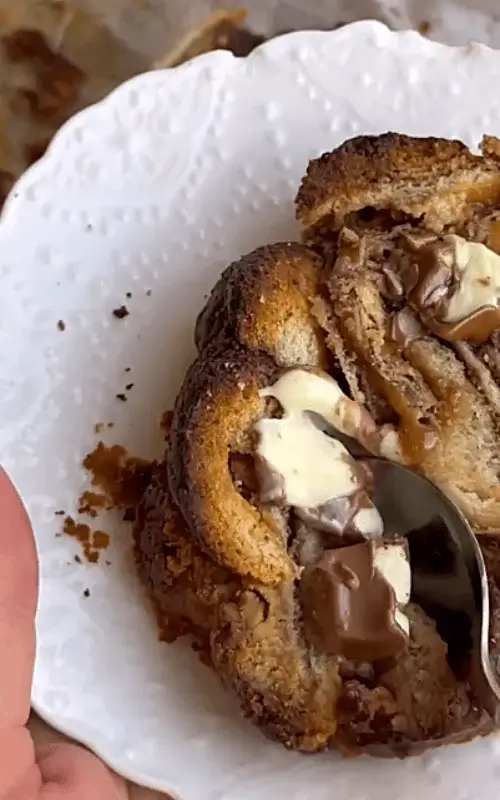
Kinder Chocolate Babka Cake
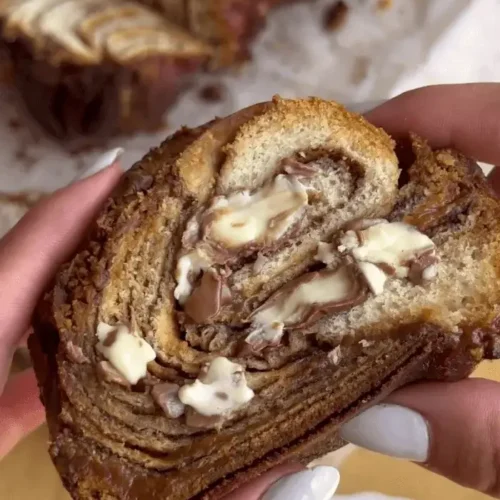
Watch the Full Step-by-Step
- Large mixing bowl
- Rolling Pin
- 2 Loaf pans
- Kitchen scale
- Wire rack
INGREDIENTS
- 4 cups plus 2 tablespoons/500 grams all-purpose flour
- 1 large egg
- ⅓ cup plus 1 tablespoon/70 grams granulated sugar
- 1⅛ cups/270 grams cold whole milk
- 1 tablespoon/10 grams active dry yeast
- 3½ ounces/100 grams cold unsalted butter, cut into small cubes
- 1 teaspoon salt
- 12.3 ounces/350 grams Kinder spread
- 12.3 ounces/350 grams chocolate-hazelnut spread, such as Nutella
- 7 ounces/200 grams Kinder Chocolate, chopped

INSTRUCTIONS
- Heat the oven to 310°F/155°C. Line two 9-by-5-inch loaf pans with parchment paper.
- In the bowl of a stand mixer fitted with the dough hook, combine the flour, egg, sugar, milk and yeast. Mix until a shaggy dough forms. Add the butter a few cubes at a time, then add the salt. Knead until the dough is smooth and elastic, 12 to 15 minutes.
- Transfer the dough to a lightly greased bowl, cover and refrigerate overnight.
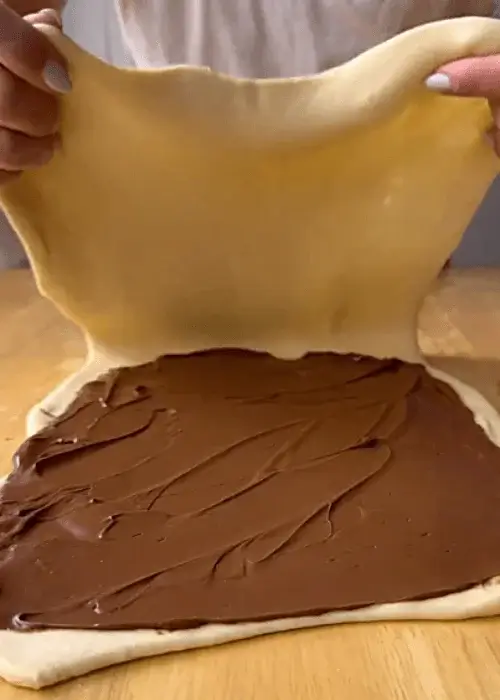
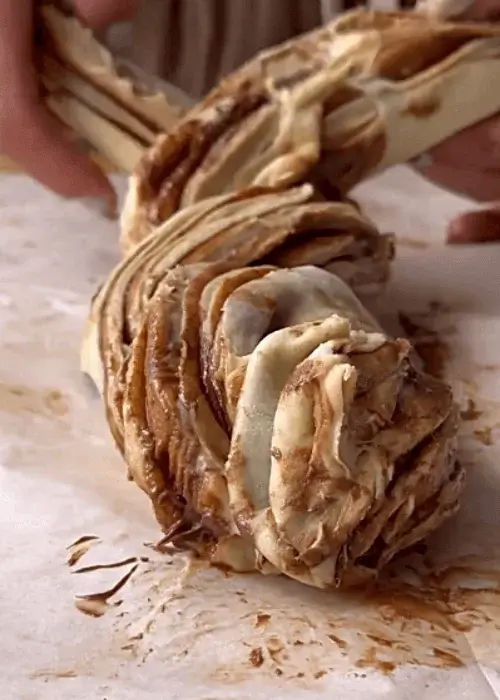
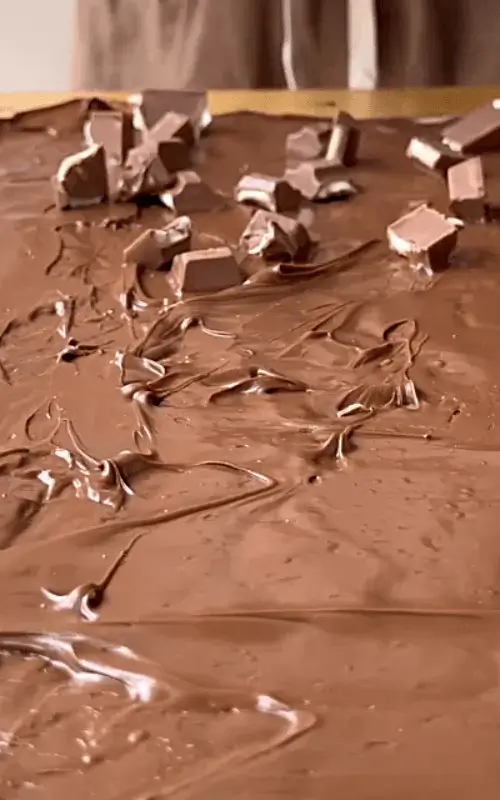
- Divide the dough in half. Roll each piece into a thin rectangle. Spread each with half of the Kinder spread and half of the chocolate-hazelnut spread, then sprinkle with the chopped Kinder Chocolate.
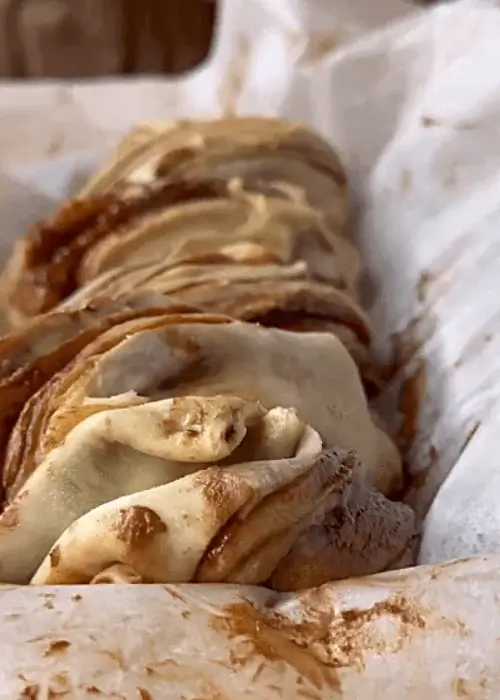
- Roll each rectangle into a tight log. Freeze for 10 to 15 minutes, then slice each log lengthwise and twist the halves together with the cut sides facing up. Transfer to the prepared loaf pans.
- Cover and let rise until puffy, 30 to 40 minutes.
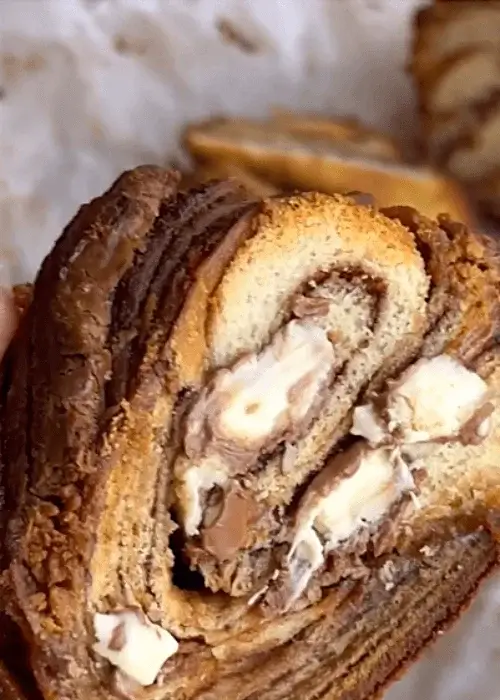
- Bake until deeply golden brown, 45 to 50 minutes. Cool completely before slicing.
FAQ
What makes a chocolate babka cake dough soft and elastic?
A chocolate babka cake dough should be soft, smooth, and slightly tacky, not sticky or dry. The texture comes from proper mixing, enough kneading, and using cold milk and cold butter in the right order. If the dough is under-kneaded, it will tear when rolled and may bake up dense. If it is overfloured, the crumb can turn dry and heavy.
The finished dough should clear the sides of the bowl and stretch without breaking too quickly. That usually takes 12 to 15 minutes of kneading in a stand mixer. If the dough feels too stiff, it usually needs a little more liquid, not more flour. For a better result, chill it overnight so the gluten relaxes and the dough becomes easier to roll thinly.
Why does chocolate babka cake need an overnight rise?
An overnight rise improves both flavor and structure in chocolate babka cake. Slow fermentation gives the dough time to develop a deeper, more balanced taste, rather than a flat yeasty one. It also firms the dough, which makes it much easier to roll out thinly and shape without springing back. Warm dough is softer and harder to handle, so it tends to tear or become uneven during filling and twisting.
A cold dough is more manageable, especially when working with rich fillings like Kinder spread and chocolate-hazelnut spread. If time is short, a room-temperature rise can work, but the texture and shaping are usually better after refrigeration. The chill also helps the butter stay controlled, which supports cleaner layers and a more even bake.
Why is my dough sticky?
A slightly sticky dough is normal for chocolate babka cake because enriched yeast dough contains a high proportion of liquid, butter, and egg. The dough should feel soft and smooth but still manageable after kneading. Adding too much flour to fix stickiness can make the finished loaf dry and heavy.
Instead, continue kneading until the dough develops strength and becomes smoother. Chilling the dough overnight also improves its texture and makes it easier to roll. If the dough remains extremely sticky after proper kneading and refrigeration, the measurements may have been inaccurate or too much liquid may have been added.
What is the best way to store and serve chocolate babka cake?
The best way to store chocolate babka cake is to let it cool completely, then wrap it tightly so the crumb stays soft. At room temperature, it keeps well for about two days if stored in an airtight container or wrapped in plastic and foil. For longer storage, freeze whole loaves or individual slices.
When serving, room temperature is good, but a light warm-up improves the texture and makes the filling more fragrant. A brief reheat in a low oven restores softness without drying it out. Because this is a rich, layered loaf, it is best sliced with a serrated knife after it has fully cooled. That keeps the layers neat and helps prevent the filling from smearing. For the cleanest slices, wait at least 30 to 60 minutes after baking before cutting.
How do I know when chocolate babka cake is fully baked?
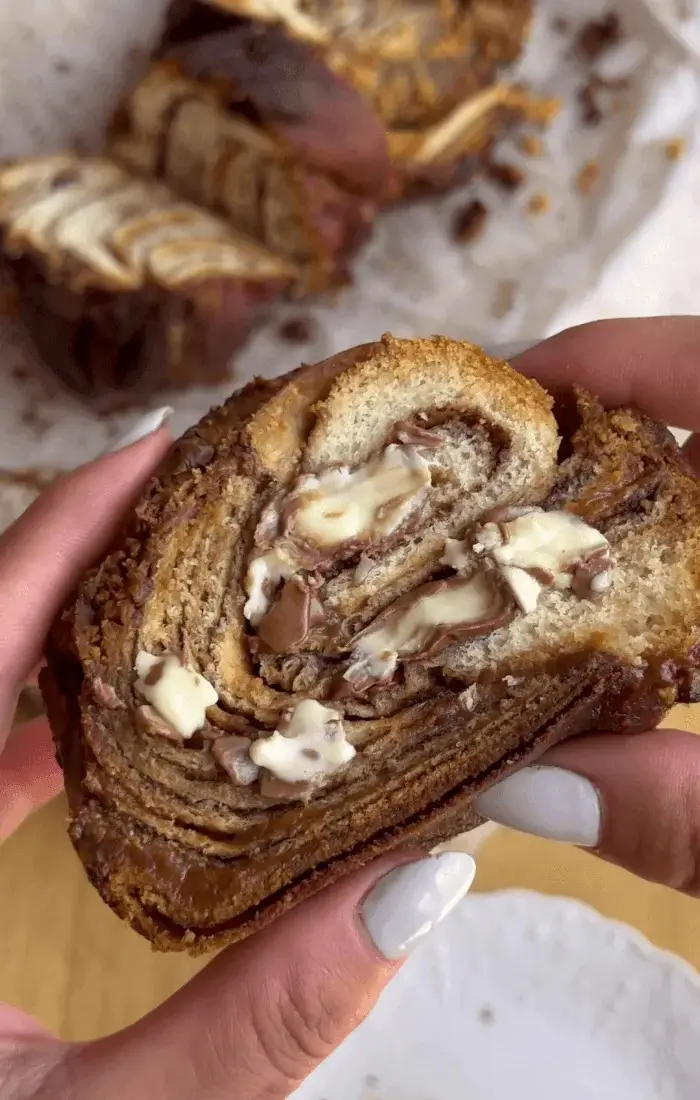
Chocolate babka cake should be deeply golden brown with a firm exterior and a fully set center. Because the filling is rich and moist, the loaves may appear done on the outside before the center has finished baking.
If available, an instant-read thermometer is the most reliable way to check doneness; the center should register about 190°F to 200°F (88°C to 93°C). If you do not have a thermometer, insert a skewer into the center. It should come out with melted chocolate but no wet dough. Allow the loaves to cool completely before slicing so the crumb has time to set.
Can I make chocolate babka cake without a stand mixer?
Yes, chocolate babka cake can be made entirely by hand, although it requires more time and effort. Mix the ingredients until a rough dough forms, then knead on a lightly floured work surface for 15 to 20 minutes, or until the dough is smooth, stretchy, and elastic. Resist the urge to add too much flour during kneading, as this can make the finished loaf dry instead of soft.
Rich doughs containing butter take longer to develop gluten, so patience is important. If the dough becomes difficult to handle, let it rest for 10 minutes before continuing to knead. Proper gluten development is essential for creating the signature soft crumb and beautiful swirls in chocolate babka cake.
What type of flour is best for chocolate babka cake?
All-purpose flour is the best choice for this chocolate babka cake because it provides enough gluten for structure while still producing a tender crumb. Bread flour can also be used if you prefer a slightly chewier texture and more defined layers.
Avoid cake flour, which lacks sufficient protein to support the rich dough and heavy filling. If measuring flour by cups, spoon it into the measuring cup and level it off instead of scooping directly from the bag, which packs in excess flour. Using a kitchen scale is the most reliable method and helps ensure consistent results every time you bake.
Can I freeze chocolate babka cake?
Chocolate babka cake freezes exceptionally well, making it an excellent recipe for baking in advance. Allow the loaves to cool completely before wrapping them tightly in plastic wrap followed by aluminum foil or placing them in a freezer-safe bag. This double layer helps prevent freezer burn and preserves moisture.
Whole loaves can be frozen, or they can be sliced first for convenient single servings. Freeze for up to three months for the best quality. To serve, thaw the loaf at room temperature while still wrapped, then warm slices briefly in a low oven or microwave if desired. Freezing does not significantly affect the texture when the bread is wrapped properly before storage.
Can I use instant yeast instead of active dry yeast?
Yes. Instant yeast can be substituted for active dry yeast in chocolate babka cake without changing the overall method. Because instant yeast is more finely milled, it can be mixed directly with the dry ingredients and usually works a little faster. Use the same weight, about 10 grams, or slightly less if measuring by volume according to the manufacturer’s recommendations.
Keep in mind that rising times depend more on the temperature of your kitchen than the type of yeast. Rather than watching the clock, look for the dough to become puffy and expanded.
Why is my chocolate babka cake dry?
A dry chocolate babka cake is usually caused by too much flour, overbaking, or inaccurate ingredient measurements. Flour should always be measured carefully, preferably by weight, because even a small excess can noticeably affect the texture. Baking beyond the recommended time also dries the crumb, especially in enriched doughs made with butter and milk.
Every oven heats differently, so begin checking the loaves a few minutes before the suggested baking time. Another common cause is adding extra flour while kneading because the dough feels sticky. Rich dough should remain slightly tacky but still manageable. Proper kneading, accurate measurements, and removing the loaves as soon as they are fully baked will produce a much softer result.
Why did my cake come out dense?
Several factors can cause chocolate babka cake to bake up dense rather than light and airy. The most common reasons are under-kneading, insufficient rising time, inactive yeast, or using cold dough before it has fully proofed. Kneading develops gluten, which traps the gas produced by the yeast and creates an open, tender crumb.
If the dough has not doubled sufficiently before baking, the loaf will lack volume. Old yeast can also reduce rise dramatically, even if the dough appears to ferment slightly. Finally, adding too much flour during mixing or rolling creates a stiffer dough that cannot expand properly in the oven.