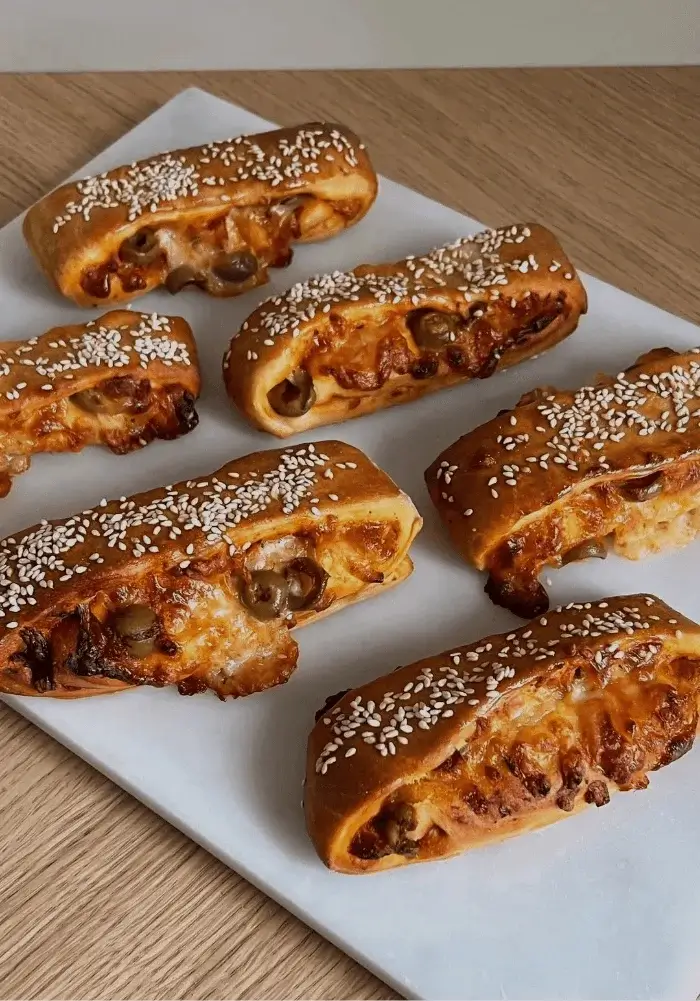
Homemade Pizza Pastries
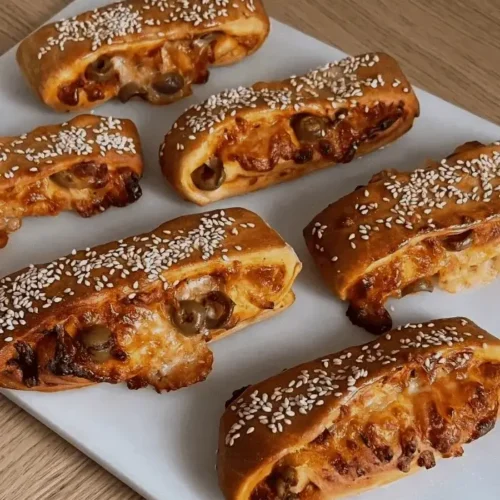
Watch the Full Step-by-Step
- Mixing bowls
- Rolling Pin
- Baking sheet
- Pastry brush
- Kitchen scale
INGREDIENTS
- 3 cups/375 grams all-purpose flour
- 1 teaspoon dry yeast
- 2 tablespoons sugar
- 1 teaspoon salt
- ¼ cup oil
- 1 cup warm water
- Pizza/tomato sauce mixed with olive oil, oregano, and salt
- 7 ounces/200 grams mozzarella or cheddar, shredded
- 3 ounces/85 grams feta, optional
- ¼ cup sliced olives, optional
- 1 large egg, beaten, for brushing
- Sesame seeds, for topping

INSTRUCTIONS
- Combine the flour, yeast, and sugar in the bowl of a stand mixer fitted with a dough hook.
- Add the salt, oil, and warm water. Knead until the dough is smooth and elastic, about 7 minutes.
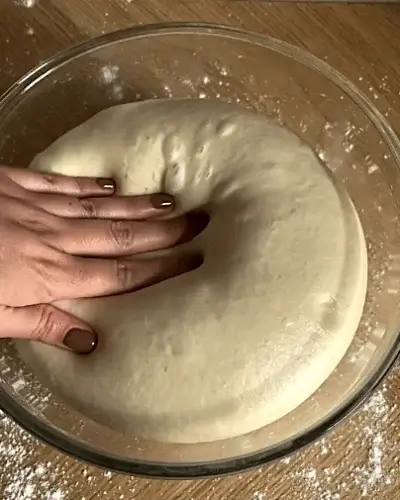
- Transfer the dough to a lightly oiled bowl. Cover and let rise until doubled in size, about 1½ hours.
- Divide the dough into 2 pieces. Roll each piece into a thin rectangle.
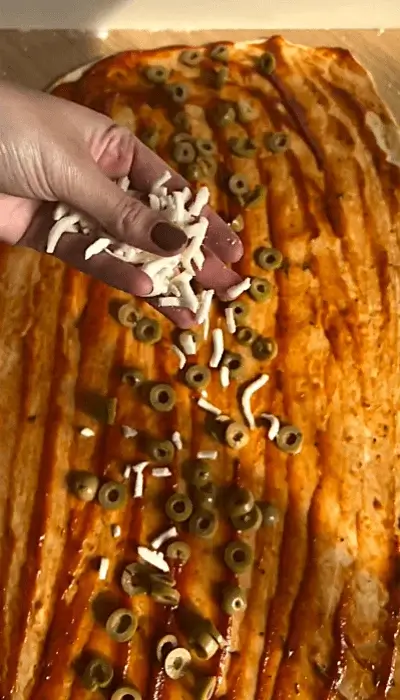
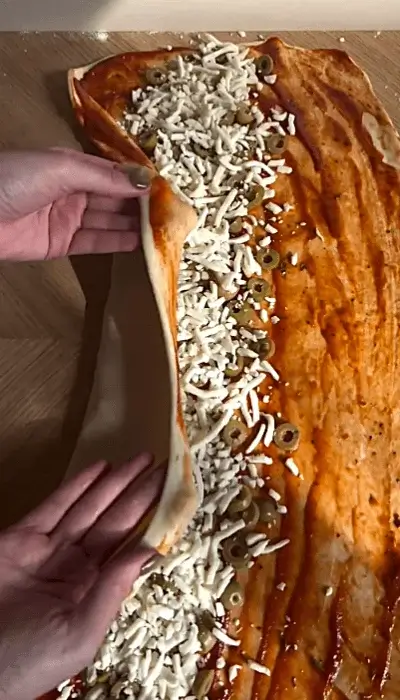
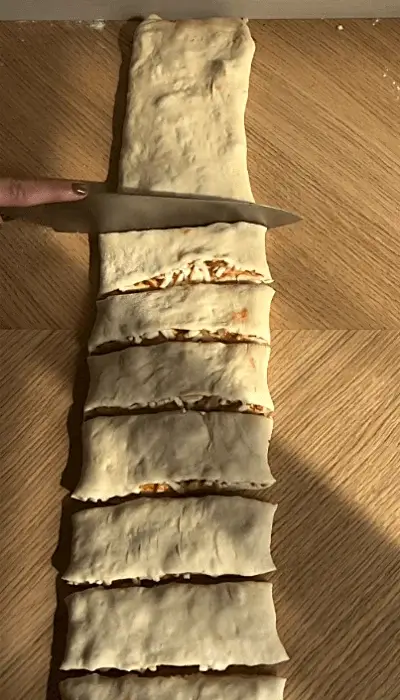
- Spread the dough with pizza sauce and arrange the cheese and toppings down the center. Fold the dough over the filling and cut each piece into 7 pastries.
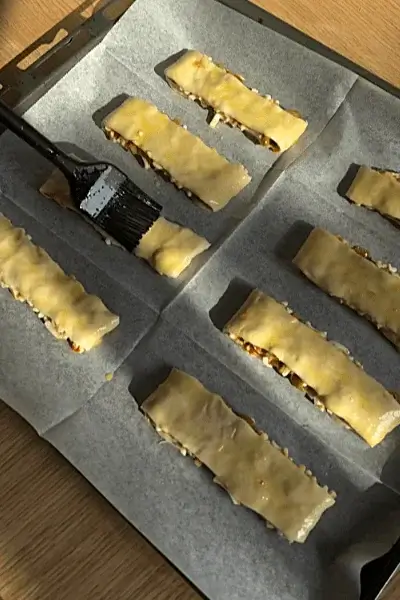
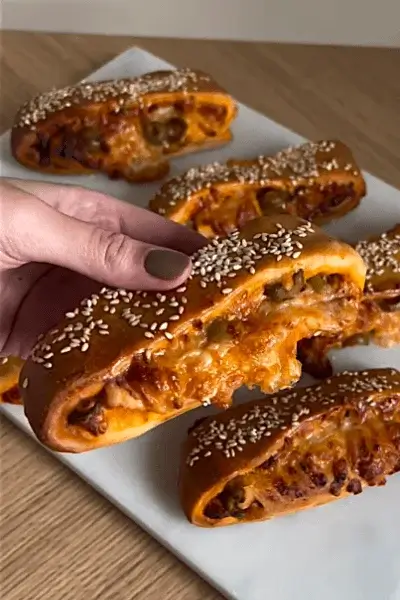
- Arrange the pastries on a parchment-lined baking sheet. Brush with beaten egg and sprinkle with sesame seeds.
- Bake at 350°F/180°C until golden brown and cooked through, 25 to 30 minutes.
FAQ
What type of cheese works best for homemade pizza pastries?
Mozzarella is the best choice because it melts smoothly and creates the stretchy, cheesy texture expected from a pizza-inspired filling. Low-moisture mozzarella works especially well because it releases less water during baking, helping the dough stay crisp instead of becoming soggy. Cheddar can also be used, adding a sharper flavor and deeper color, while a combination of mozzarella and cheddar creates a balanced taste and texture. Feta is another option that adds a salty, tangy contrast, especially when paired with milder cheeses.
When making pizza pastries, avoid using cheeses with very high moisture content unless they are well drained, since excess liquid can affect the dough. Shredded cheese distributes more evenly than large chunks and melts faster inside the pastry. You can also adjust the cheese mixture based on your preferred flavor, adding stronger cheeses in smaller amounts to avoid overpowering the sauce and dough.
How do I keep pizza pastries from becoming soggy?
To keep pizza pastries crisp, the most important factor is controlling moisture in the filling. Use a thicker pizza sauce instead of a watery tomato sauce, and avoid adding too much sauce near the edges of the dough. If using vegetables like mushrooms or onions, cook them first to remove excess moisture before adding them to the filling. This prevents steam from building up inside the pastry during baking.
The baking surface also matters. A parchment-lined baking sheet allows the pastries to cook evenly, while a fully preheated oven helps the dough develop a golden exterior quickly. Avoid overcrowding the tray because trapped steam can soften the crust. Using shredded cheese rather than large pieces helps it melt evenly without creating pockets of moisture. Once baked, let the pizza pastries rest for a few minutes before serving so the filling sets slightly and the crust stays firm.
Can I freeze pizza pastries after baking?
Yes, baked pizza pastries can be frozen and reheated successfully, making them a practical option for preparing snacks ahead of time. Allow the pastries to cool completely before freezing to prevent ice crystals from forming and affecting the texture. Place them in an airtight container or freezer bag with parchment paper between layers to prevent sticking. Properly stored, they can keep well in the freezer for several weeks.
When reheating, avoid microwaving if you want to maintain a crisp crust. Instead, warm the pizza pastries in an oven or air fryer until heated through. This restores some of the original texture and helps the cheese become soft again. If freezing unbaked pastries, assemble them completely, freeze on a tray until firm, then transfer to a container. They can be baked directly from frozen with a slightly longer cooking time.
Why does my pizza pastry dough feel too sticky?
Sticky pizza pastry dough is usually caused by too much hydration, under-kneading, or warm environmental conditions. Flour types can also vary in absorption, so some batches may require slightly more flour than others. If the dough feels overly sticky, a small amount of additional flour can be added gradually during kneading.
However, adding too much flour can make the final pastries dry, so adjustments should be made carefully. Proper kneading helps develop gluten, which reduces stickiness over time as the dough becomes more elastic. Letting the dough rest for a few minutes can also help, as it allows the flour to fully absorb the liquid, making it easier to handle.
Can I make pizza pastries without a stand mixer?
Pizza pastries can be made without a stand mixer by mixing and kneading the dough by hand. Start by combining the flour, yeast, and sugar in a large bowl, then add the salt, oil, and warm water. Mix until a rough dough forms, then transfer it to a lightly floured surface. Knead by hand for about 8 to 10 minutes until the dough becomes smooth and elastic.
Hand-kneading can produce excellent results because it allows you to feel the dough texture and adjust if needed. If the dough feels too sticky, add a small amount of flour, but avoid adding too much because it can make the pastries dry. After kneading, the dough still needs time to rise before shaping. The final result will be the same soft, flavorful pizza pastries with a homemade texture.
What is the best way to reheat pizza pastries?
The best way to reheat pizza pastries is in an oven or air fryer rather than a microwave. Reheating in a 325°F/165°C oven for about 8–12 minutes helps restore the crisp exterior while warming the filling evenly. The air fryer is even faster and can bring back a freshly baked texture in just a few minutes.
Microwaving is not ideal because it tends to soften the dough and make it slightly rubbery. If a microwave must be used, it is better for quick reheating with the understanding that texture will be softer. For best results, allow frozen pastries to thaw slightly before reheating so the center warms through without drying the exterior.
What sauce is best for pizza pastries?
The best sauce for pizza pastries is a thick pizza sauce or a seasoned tomato sauce that has enough flavor without adding too much moisture. A simple tomato sauce mixed with olive oil, oregano, and salt works well because it provides classic pizza flavor while staying balanced inside the dough. A sauce that is too thin can make the filling watery and prevent the pastry from baking properly.
You can also adjust the sauce based on your preferred flavor. Garlic, basil, chili flakes, or Italian seasoning can add extra depth. If using store-bought sauce, choose one that is designed for pizza rather than a thin pasta sauce. Since pizza pastries have a smaller enclosed space, a concentrated sauce gives better flavor without overpowering the cheese and toppings.
How thick should the dough be for pizza pastries?
The dough for pizza pastries should be rolled to a medium-thin thickness, typically about ⅛ to ¼ inch. This thickness is important because it needs to be strong enough to hold the filling without tearing, while still thin enough to bake through evenly and stay tender. If the dough is too thick, the pastries can become heavy and doughy in the center, overpowering the filling.
Even rolling is more important than exact thickness. Uneven dough can lead to parts that are undercooked while others are overbaked. When rolling, aim for a uniform rectangle so the filling distributes evenly and the pastries bake consistently. If the dough shrinks back while rolling, let it rest for a few minutes to relax the gluten before continuing.
How do I shape pizza pastries so they do not open while baking?
To keep pizza pastries sealed during baking, the dough needs to be folded and closed properly around the filling. Avoid adding too much sauce or cheese near the edges because moisture and pressure can prevent the dough from sticking together. Leave a small border around the filling, then press the edges firmly after folding. You can gently pinch the seam or press it with a fork to create a stronger seal.
The filling should also be evenly distributed so one area does not become overloaded. Too much cheese or toppings in one spot can cause steam to build up and push the dough apart during baking. If the dough becomes too soft while shaping, chill it briefly before assembling. Proper shaping helps the pizza pastries maintain their structure while still keeping a soft, cheesy center.
Can I use store-bought dough for pizza pastries?
Store-bought dough can be used for pizza pastries as a shortcut without significantly changing the final result. Pizza dough from a bakery or supermarket already contains flour, yeast, salt, and oil, so it behaves similarly to homemade dough. It should be allowed to come to room temperature before rolling to make it easier to stretch and shape without tearing.
While convenient, store-bought dough may vary in elasticity and flavor depending on the brand. Some doughs are softer and easier to fold, while others may require light flouring to prevent sticking. The filling process remains the same, and baking time is usually unchanged. Using store-bought dough makes pizza pastries faster to prepare while still delivering a similar texture and flavor profile.
Can I make pizza pastries with whole wheat flour?
Yes, pizza pastries can be made with whole wheat flour, but the texture will be slightly different from the original version. Whole wheat flour contains more bran and fiber, which can make the dough heavier and less stretchy. For a softer result, many bakers use a combination of whole wheat and all-purpose flour instead of replacing all the flour at once.
If using only whole wheat flour, the dough may need slightly more water because whole grains absorb more liquid. Allowing the dough to rest can also help improve the texture by giving the flour time to hydrate. The finished pizza pastries will have a deeper, nuttier flavor and a more rustic texture while still working well with cheese and toppings.
What can I serve with pizza pastries?
Pizza pastries can be served as a snack, appetizer, lunch, or part of a larger meal. They pair well with fresh salads, vegetable dishes, or simple sides that balance the richness of the cheese and dough. A tomato-based dipping sauce, garlic sauce, or herb yogurt can also add extra flavor without changing the recipe itself.
For gatherings, pizza pastries work especially well because they are easy to portion and serve. They can be arranged on a platter with different dipping sauces and toppings. For a more complete meal, serve them with a green salad or roasted vegetables. Since they contain carbohydrates, cheese, and optional toppings, they can be satisfying on their own or combined with lighter sides.