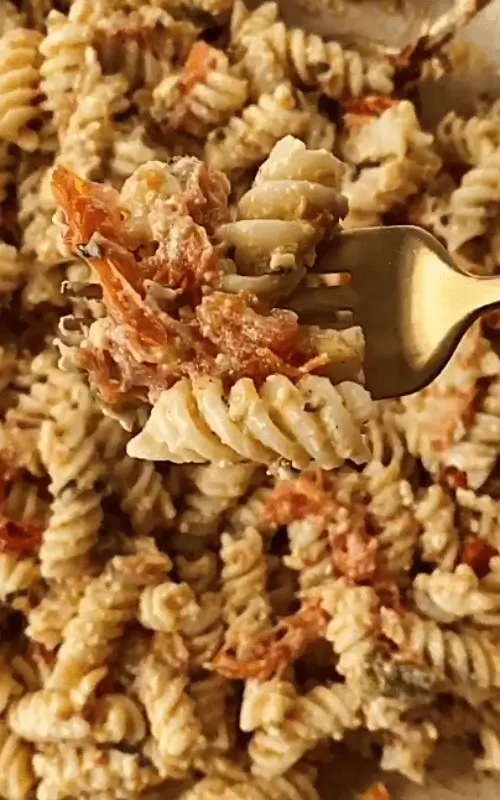
Easy Tomato Baked Feta Pasta Recipe
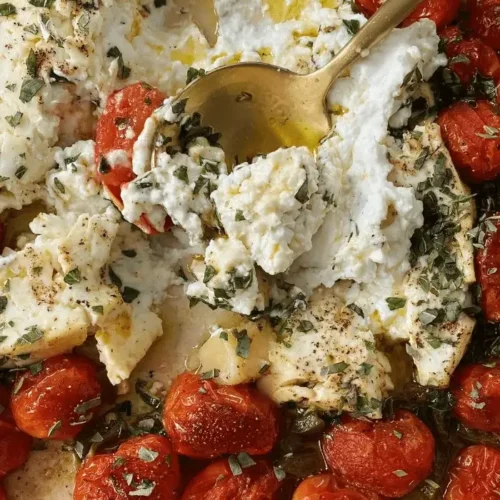
Watch the Full Step-by-Step
- Large pot
- Colander
- Microplane
INGREDIENTS
- 8 ounces/225 grams pasta, such as rigatoni or penne
- 7 ounces/200 grams feta cheese
- 10 ounces/300 grams cherry tomatoes
- 1 jalapeño, seeded and thinly sliced
- 3 tablespoons extra-virgin olive oil, plus more for drizzling
- 2 garlic cloves, finely grated
- 1 tablespoon lemon zest
- ¼ cup fresh basil leaves, torn, plus more for serving
- Salt and black pepper to taste

INSTRUCTIONS
- Heat the oven to 400°F/200°C.
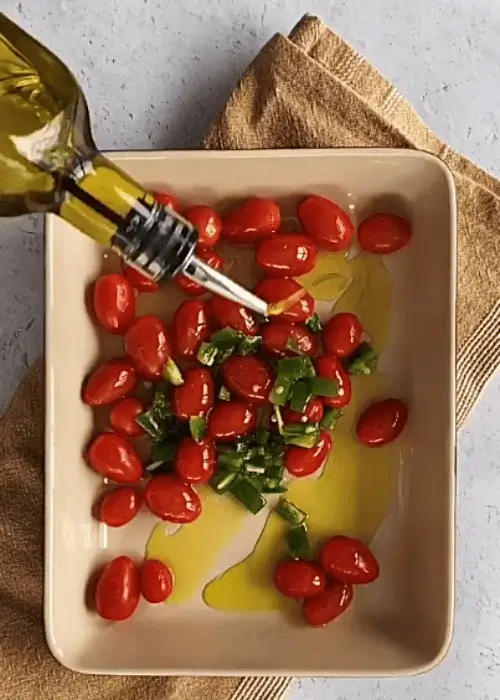
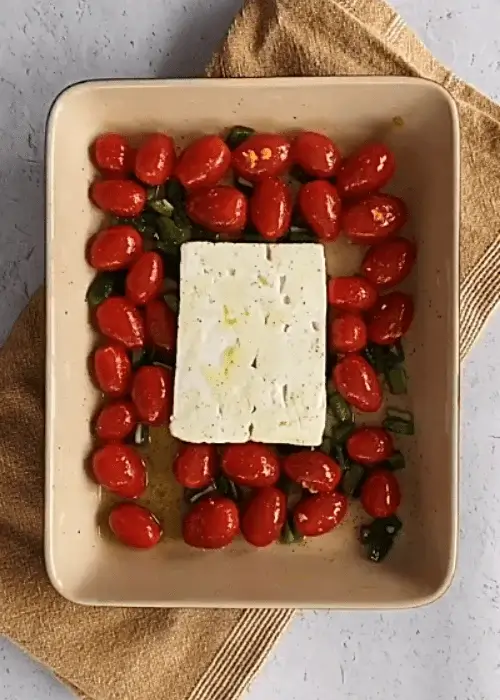
- Add the tomatoes, jalapeño, and olive oil to a baking dish. Season with salt and pepper and toss to coat. Place the feta in the center and drizzle with more olive oil.
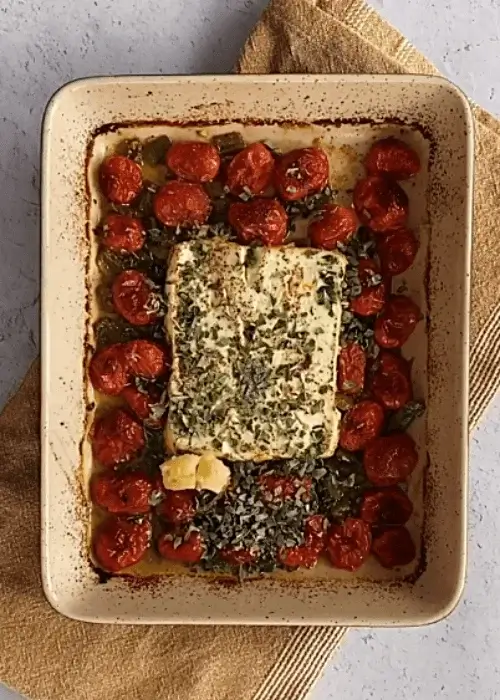
- Bake until the tomatoes are blistered and the feta is softened, 30 to 35 minutes.
- Meanwhile, bring a large pot of salted water to a boil. Cook the pasta until just tender. Reserve ½ cup pasta water, then drain.
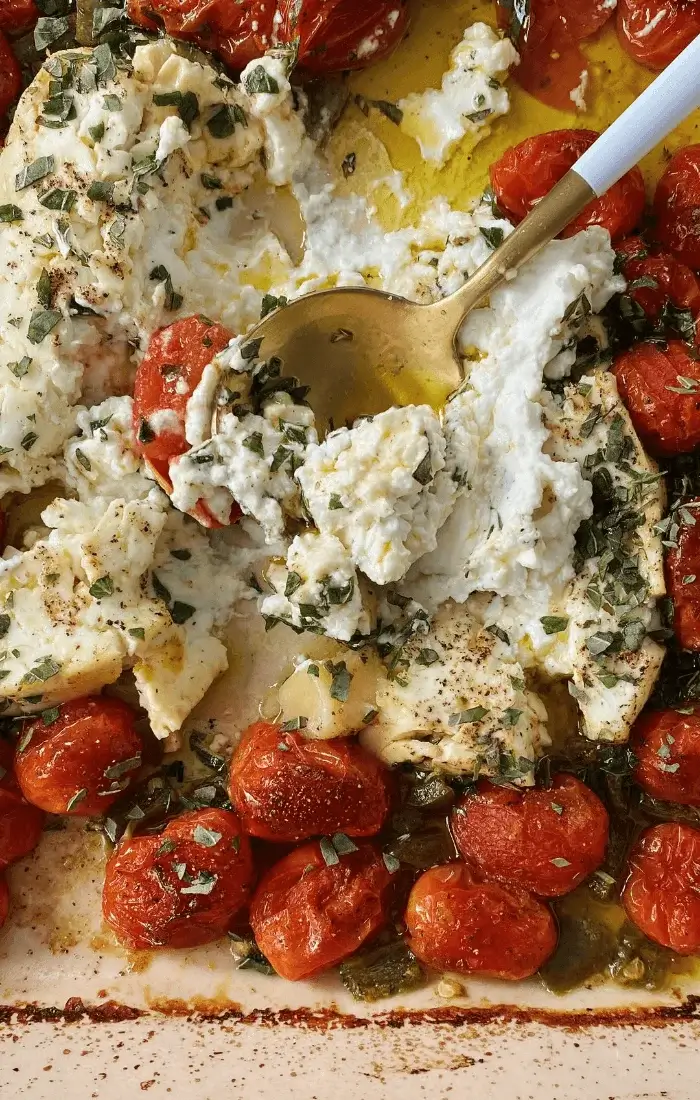
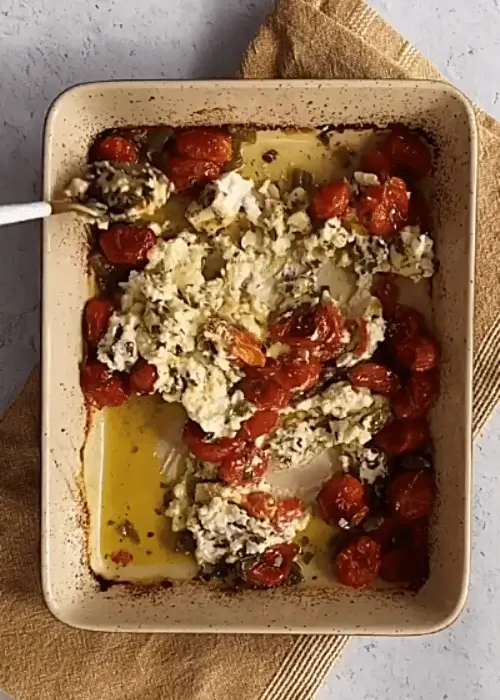
- Add the garlic and basil to the baking dish and mash the feta and tomatoes together until creamy.
- Add the pasta and toss until coated, adding pasta water as needed to loosen the sauce.
- Serve with additional basil and black pepper.
FAQ
What pasta shapes work best for this baked feta pasta recipe?
For a baked feta pasta recipe, short, ridged, or tubular pasta shapes perform best because they hold onto the thick feta-tomato sauce. Options like rigatoni, penne, fusilli, or rotini are ideal because their grooves and hollow centers trap sauce in every bite. Rigatoni in particular works well because its wide tubes allow chunks of tomato and softened feta to cling inside and outside the pasta.
Penne is slightly more compact but still effective due to its angled edges. Long pasta like spaghetti or linguine can be used, but it does not capture the sauce as efficiently and may feel less cohesive. The key factor is surface texture: rough or ridged pasta improves adhesion, ensuring the sauce distributes evenly instead of sliding off.
Can I use low-fat feta in baked feta pasta recipe?
Low-fat feta can be used in a baked feta pasta recipe, but the final texture and flavor will be noticeably different. Traditional feta contains higher fat content, which helps it soften into a creamy, emulsified sauce when baked. Low-fat versions tend to release more water and can become slightly rubbery or grainy under heat. This affects the smoothness of the sauce and reduces its richness.
If using low-fat feta, it helps to increase the olive oil slightly and ensure the tomatoes are fully roasted and juicy to compensate for reduced fat. The sauce may also need more vigorous mashing and a bit more pasta water to come together. While it works structurally in a baked feta pasta recipe, the result will be lighter, less creamy, and less cohesive compared to full-fat feta.
How can I prevent baked feta pasta from becoming too dry or oily?
Preventing dryness or excess oil in a baked feta pasta recipe depends on balancing moisture from tomatoes, fat from olive oil, and starch from the pasta. The most common issue is overbaking, which can reduce tomato juices too much, leading to a thick or dry sauce. To avoid this, ensure tomatoes are still juicy and slightly burst rather than fully dehydrated.
Reserving pasta water is essential because its starch helps emulsify the sauce and loosen it without diluting flavor. Adding it gradually allows control over consistency. On the oil side, too much olive oil can make the dish greasy; measuring it rather than free-pouring helps maintain balance. Finally, mixing the pasta while the sauce is still hot ensures proper coating before it tightens.
What is the best way to reheat baked feta pasta?
The best way to reheat a baked feta pasta is on the stovetop over low to medium heat with a small amount of added liquid. As the dish cools, the feta and tomato mixture naturally thickens and can become dry or dense. Adding a splash of water, milk, or reserved pasta water helps loosen the sauce and restore its creamy texture. Stirring gently while reheating ensures even distribution of heat and prevents the cheese from separating.
Microwave reheating is possible but less controlled, often resulting in uneven heating or slightly rubbery pasta. If using a microwave, it should be done in short intervals with stirring between each cycle and a small amount of liquid added beforehand.
Can I add protein to baked feta pasta recipe?
Yes, protein can be added to a baked feta pasta recipe without disrupting the core technique, but it should be prepared separately or chosen carefully to avoid overcooking. Common additions include grilled chicken, shrimp, or chickpeas. Chicken should be cooked separately and folded in at the end to prevent drying out during the roasting phase.
Shrimp can be quickly sautéed or roasted in the last 8 to 10 minutes of baking, depending on size, so it remains tender. Chickpeas can be added directly to the baking dish at the start for a plant-based option that absorbs the roasted tomato and feta flavors. The key is timing: the feta-tomato base needs uninterrupted roasting to develop its sauce structure, while proteins should be added in a way that preserves texture and moisture without interfering with emulsification.
What vegetables can I add to baked feta pasta recipe?
A baked feta pasta recipe is highly adaptable and can incorporate a wide range of vegetables, as long as they can withstand roasting or quick cooking without losing structure. Popular additions include zucchini, bell peppers, red onion, spinach, mushrooms, and eggplant. Harder vegetables like zucchini and bell peppers should be cut into uniform pieces so they roast evenly alongside the tomatoes.
Leafy greens such as spinach should be added after baking, allowing residual heat to wilt them without overcooking. Mushrooms add umami depth when sliced thick and roasted with the tomatoes. Red onion can bring sweetness and complexity when caramelized in the oven. The key is balancing moisture levels: vegetables that release a lot of water should be used sparingly to avoid thinning the sauce in a baked feta pasta recipe, while firmer vegetables enhance texture and flavor contrast.
Why did my baked feta pasta turn grainy instead of creamy?
A grainy texture in a baked feta pasta usually comes from overheating the feta or insufficient emulsification. Feta contains protein structures that can tighten and separate if exposed to excessive heat for too long, especially if the oven runs hot or the cheese is overbaked past the point of softening. Another common cause is not enough liquid from tomatoes or pasta water to bind the sauce properly.
When the mixture is too dry, the feta cannot break down smoothly and instead forms small curds. To fix this, mash the feta and tomatoes while they are still hot and add reserved pasta water gradually to create a stable emulsion. Stirring vigorously while the mixture is warm helps break down the cheese more evenly. Using high-moisture cherry tomatoes also improves consistency because they release more juice during roasting.
Can I make baked feta pasta recipe vegan?
Yes, a baked feta pasta recipe can be made vegan by replacing feta cheese with plant-based alternatives that mimic its tangy, salty profile. Vegan feta-style products made from almond, coconut oil, or tofu-based formulations work best because they soften under heat and can be mashed into a sauce-like texture. Tofu can also be used directly by pressing it first and seasoning it with lemon juice, salt, and nutritional yeast to replicate feta’s flavor profile.
Olive oil and roasted tomatoes remain the base of the sauce, so the cooking method stays largely the same. However, vegan versions may require more seasoning since traditional feta contributes significant saltiness and acidity. Adding capers, extra lemon zest, or miso can help restore depth. The texture will be slightly different, but the structure of a baked feta pasta recipe remains intact.
Can I use other cheeses in baked feta pasta recipe?
Feta is ideal because it softens without fully melting, creating a textured sauce with tang and structure. Substitutes like ricotta can create a softer, creamier but less tangy sauce, while goat cheese offers similar acidity but melts more completely, producing a smoother consistency.
Cream cheese can also work but results in a richer, heavier sauce that lacks the same roasted complexity. Hard cheeses like Parmesan are not suitable as a primary base because they do not melt into a sauce on their own, though they can be added for finishing flavor. Any substitution should account for salt balance, since feta is naturally salty and replacements may require adjustment.
Can I make this recipe without an oven?
Instead of roasting, the tomatoes can be cooked in a skillet over medium heat with olive oil until they burst and release their juices. The feta can be added in chunks and gently heated so it softens without fully melting. Covering the pan briefly helps trap heat and encourages the cheese to become spreadable.
This method will not produce the same caramelized depth as roasting, but it still creates a creamy, cohesive sauce when mashed together with tomatoes. Garlic should be added near the end to avoid bitterness from overcooking. The final step remains the same: toss with hot pasta and adjust texture with reserved pasta water to replicate the consistency of a traditional baked feta pasta recipe.
Can I freeze baked feta pasta?
Feta cheese does not fully return to its original creamy consistency after freezing, and the pasta may soften or become slightly mushy. If freezing, it is best to slightly undercook the pasta so it holds structure during reheating. The sauce should be cooled completely before transferring to airtight containers to prevent ice crystal formation.
For best results, freezing the roasted feta and tomato mixture separately from the pasta is recommended. When reheating, thaw overnight in the refrigerator and warm gently on the stovetop with added liquid to restore creaminess. While a baked feta pasta recipe can survive freezing, it is generally better suited for fresh consumption or short-term refrigeration for optimal texture and flavor.