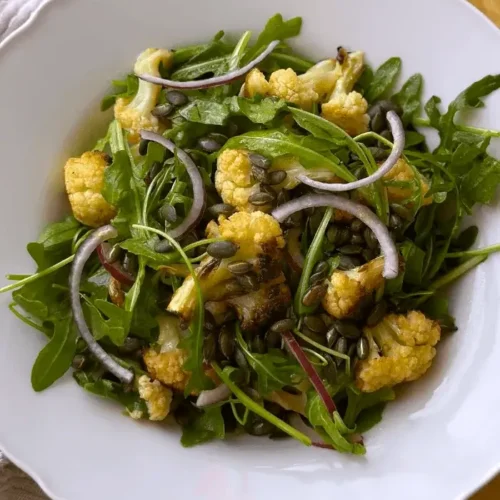
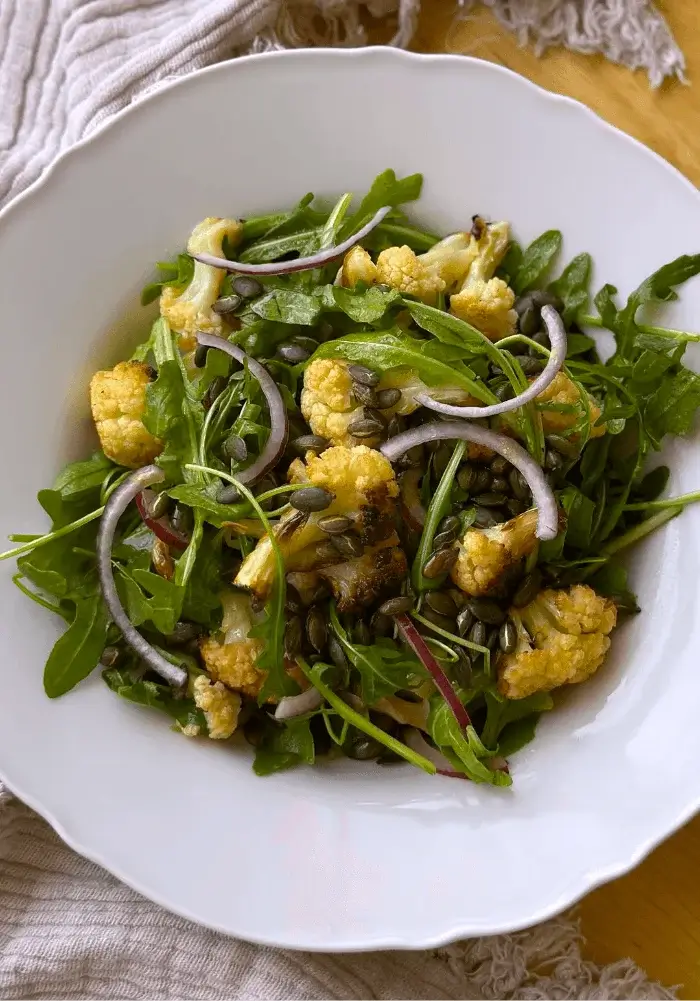
Roasted Cauliflower Salad with Arugula and Sherry Vinaigrette
Watch the Full Step-by-Step
- Large pot
- Colander
- Large mixing bowl
- Small skillet
- Chef's knife
INGREDIENTS
- 1 medium cauliflower, cut into florets
- 2 cups arugula
- ½ medium red onion, thinly sliced
- ¼ cup pumpkin seeds
- Dressing:
- 4 tablespoons extra-virgin olive oil, divided
- 3 tablespoons fresh lemon juice
- 1 teaspoon sherry vinegar
- ½ teaspoon salt, plus more as needed
- ¼ teaspoon black pepper

INSTRUCTIONS
- Heat the oven to 350°F/180°C.
- Bring a large pot of salted water to a boil. Add the cauliflower and cook until just tender at the edges, 3 to 4 minutes. Drain well.
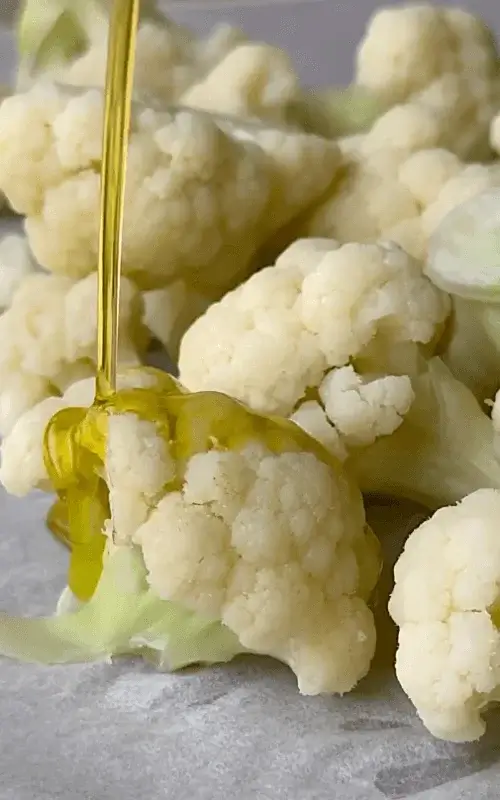
- Transfer the cauliflower to a parchment-lined sheet pan. Toss with 2 tablespoons of olive oil and a pinch of salt. Roast until golden and lightly charred, about 30 minutes.
- Meanwhile, toast the pumpkin seeds in a dry skillet over medium heat until fragrant, 2 to 3 minutes. Let cool.
- In a large bowl, whisk together the remaining 2 tablespoons olive oil, lemon juice, sherry vinegar, salt, and pepper.
- Add the arugula, red onion, and warm cauliflower. Toss gently to coat. Transfer to a serving platter, scatter the pumpkin seeds over the top, and serve.
FAQ
Do you need to boil cauliflower before roasting?
Boiling cauliflower briefly before roasting is not strictly required, but it changes the final texture in a noticeable way. In roasted cauliflower salad, a short parboil softens the interior of each floret, allowing the roasting stage to focus on browning rather than cooking through. This results in a more tender bite with deeper caramelization on the surface in a shorter roasting time.
Without boiling, cauliflower can still be roasted directly, but it will take longer in the oven and may develop a firmer, slightly chewier texture. Parboiling also helps reduce excess moisture, which can improve browning if the florets are well drained before roasting. However, skipping this step is common in home cooking when time is limited, and a good roast alone can still produce a flavorful roasted cauliflower salad. The choice depends on whether you prioritize speed or a softer interior with more even texture.
What can I substitute for sherry vinegar in roasted cauliflower salad?
Sherry vinegar provides a mild, rounded acidity with subtle sweetness, but several substitutes can work well in roasted cauliflower salad without significantly altering the balance. The closest replacements are red wine vinegar or white wine vinegar, both of which offer clean acidity but slightly sharper profiles. To approximate sherry vinegar more closely, a small pinch of sugar or a touch of honey can be added when using these alternatives.
Apple cider vinegar is another option, bringing a fruitier edge that complements roasted vegetables but may stand out more prominently in the dressing. Lemon juice can also be used as a full substitute, especially since it is already present in the recipe, though it will make the overall flavor brighter and less complex. The key is maintaining acidity to balance the roasted cauliflower and olive oil, ensuring the roasted cauliflower salad remains cohesive and not overly heavy.
Why does roasted cauliflower salad sometimes taste bitter?
Bitterness in roasted cauliflower salad usually comes from a combination of over-roasting, under-seasoning, or using overly mature cauliflower. When cauliflower is roasted too aggressively or for too long, its natural sulfur compounds can become more pronounced, creating a bitter edge instead of sweet caramelization. Insufficient oil or uneven coating can also lead to dry, scorched spots that taste harsh.
Arugula contributes a natural peppery bitterness, which is expected, but it should be balanced by acidity and fat in the dressing. If lemon or vinegar levels are too low, that bitterness becomes more noticeable. Red onion can also add sharpness if it is not sliced thinly or lightly mellowed. A well-balanced roasted cauliflower salad manages bitterness by ensuring proper roasting, enough olive oil, and a dressing that is bright enough to counterbalance the greens and vegetables.
How do you keep roasted cauliflower salad from getting soggy?
Preventing sogginess in roasted cauliflower salad depends on controlling moisture at multiple stages of preparation. After boiling the cauliflower, it is essential to drain it thoroughly and allow steam to escape before roasting. Any excess water left on the florets will inhibit browning and can lead to a soft, wet texture. Roasting at a sufficiently high temperature and spacing the florets evenly on the sheet pan ensures proper caramelization rather than steaming.
Once cooked, the cauliflower should be cooled slightly before mixing with other ingredients, as excess heat can wilt arugula and release additional moisture. The dressing should be added just before serving to preserve texture, and the salad should be tossed gently rather than aggressively. Storing components separately also helps maintain structure if the roasted cauliflower salad is made in advance. Finally, using dry-toasted pumpkin seeds adds crunch that offsets any natural softness in the roasted vegetables.
How long does roasted cauliflower salad last in the fridge?
Roasted cauliflower salad typically lasts about 2 to 3 days in the refrigerator when stored properly, but quality changes depending on how it is assembled. If fully mixed with dressing and arugula, the greens will wilt and release moisture within hours, reducing texture quality quickly. For best results, components should be stored separately: roasted cauliflower in one container, dressing in another, and arugula kept dry and un-dressed.
Pumpkin seeds should also be stored at room temperature to preserve crunch. When stored this way, the roasted cauliflower can hold its texture for up to 3 days while still tasting flavorful. Once assembled, the salad is best eaten within the same day. Over time, acidity from the dressing will continue to soften the vegetables, and the contrast that defines a good roasted cauliflower salad will diminish.

Can you serve roasted cauliflower salad warm or cold?
Roasted cauliflower salad can be served warm, at room temperature, or chilled, and each temperature changes the eating experience. Serving it warm enhances the aroma of roasted cauliflower and allows the dressing to absorb more deeply into the florets, resulting in a more cohesive flavor profile. This is often preferred when the salad is served as a side dish immediately after preparation.
At room temperature, roasted cauliflower salad maintains good texture while allowing the arugula and onion to stay crisp and fresh, making it suitable for gatherings or buffet-style serving. When served cold, the flavors become slightly muted, but the salad holds up well as a make-ahead option, especially if the dressing is added just before serving. Temperature choice depends on whether the goal is intensity of flavor or convenience and storage flexibility.
What is the best way to cut cauliflower for roasted cauliflower salad?
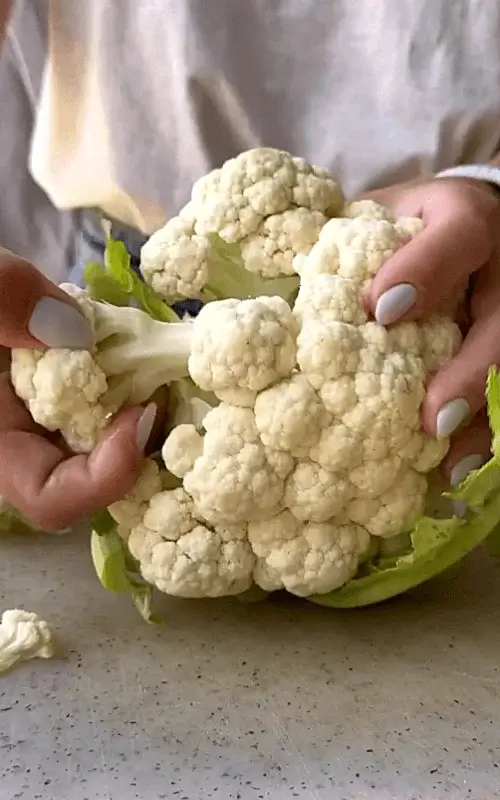
The way cauliflower is cut has a direct impact on texture and even cooking in roasted cauliflower salad. Florets should be broken or sliced into relatively uniform, medium-sized pieces so they roast evenly without some burning while others remain undercooked. Smaller florets will caramelize faster and develop crisp edges, while larger pieces stay softer inside, which can be desirable if you want contrast in the final salad.
It is also important to include some of the tender stem pieces, as they become sweet and soft when roasted and add structural variety. Cutting should avoid excessive crumbling into tiny bits, which can dry out or burn quickly. Consistency in size matters more than perfection in shape. Even knife work or hand-breaking both work, as long as the pieces are similar in volume so the roasted cauliflower salad has balanced texture throughout.

How do you get the best texture in roasted cauliflower salad?
The best texture in roasted cauliflower salad comes from managing moisture, heat, and timing. Starting with a brief boil helps soften the cauliflower internally, but it must be fully drained to prevent sogginess during roasting. Spacing the florets on a sheet pan is critical, as overcrowding causes steaming rather than browning. Proper roasting at a moderate-high temperature allows the edges to caramelize while maintaining a tender center.
Tossing the cauliflower with oil ensures even heat transfer and helps develop a slightly crisp exterior. Adding the dressing only after roasting preserves structural contrast between the warm cauliflower and fresh arugula. Pumpkin seeds contribute an additional crunchy layer, which balances the softer vegetable base. In a well-executed roasted cauliflower salad, texture should include soft, roasted interiors, lightly crisp edges, fresh greens, and crunchy seeds, all working together rather than blending into a uniform bite.
What proteins go well with roasted cauliflower salad?
Roasted cauliflower salad pairs well with a wide range of proteins because its acidity, bitterness, and roasted flavors complement both light and rich options. Grilled chicken is one of the most common pairings, as its mild flavor allows the vinaigrette and roasted cauliflower to stand out. Salmon also works well, especially when roasted or pan-seared, since its natural fat content balances the acidity in the dressing.
For plant-based options, chickpeas or lentils integrate seamlessly and increase the salad’s protein content without changing its flavor profile significantly. Hard-boiled eggs or poached eggs can also be added for extra richness and texture contrast. The key is choosing proteins that do not overpower the roasted cauliflower salad’s balance of lemon, olive oil, and sherry vinegar. Light seasoning on the protein side generally works best to keep the salad cohesive.