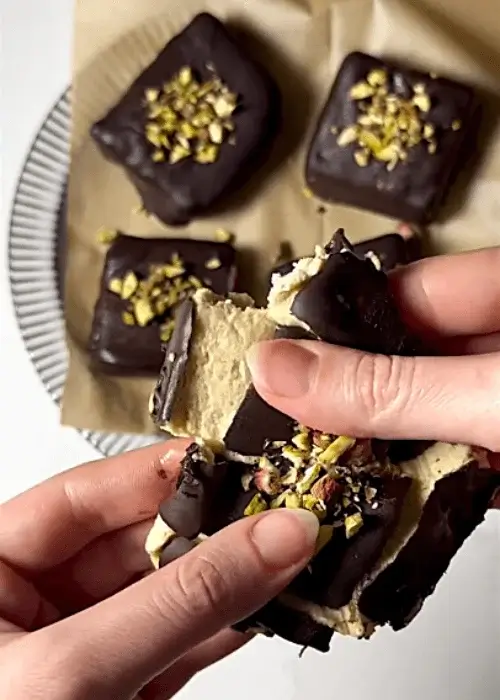
Chocolate-Covered Pistachio Ice Cream Bars
Watch the Full Step-by-Step
- 9-inch/23-cm square pan
- Double boiler
- Kitchen scale
INGREDIENTS
- 1 cup/240 grams coconut cream, the thick, solid portion
- ½ cup/120 grams coconut milk concentrate, optional, for a richer texture
- ¼ cup pistachio butter
- 1 to 3 tablespoons honey or maple syrup
- 5.3 ounces/150 grams dark chocolate, chopped
- 1 teaspoon coconut oil
- ¼ cup crushed pistachios

INSTRUCTIONS
- Line a baking sheet or square pan with parchment paper if not using popsicle molds.
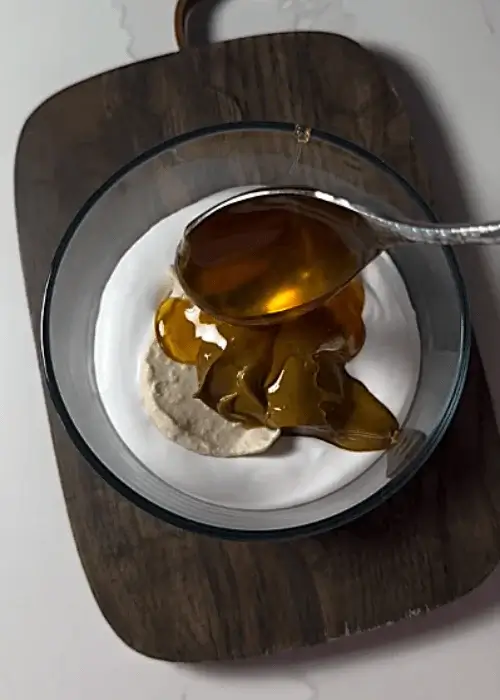
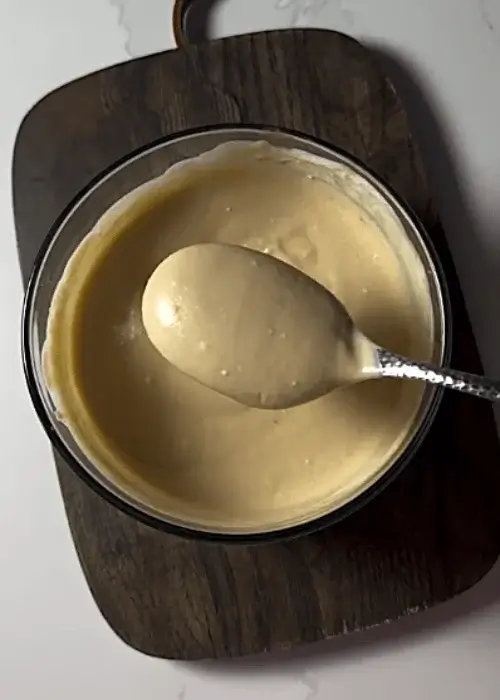
- Whisk the coconut cream, coconut milk concentrate, pistachio butter, and honey or maple syrup until smooth.
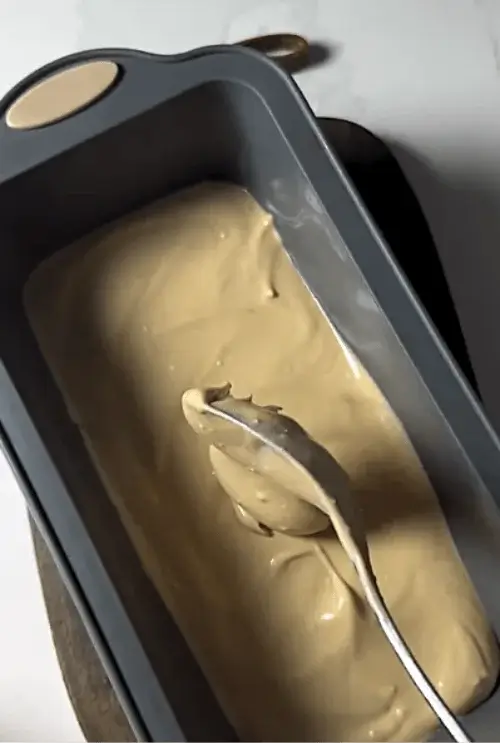
- Pour the mixture into popsicle molds or the prepared pan. Freeze until firm, at least 3 hours.
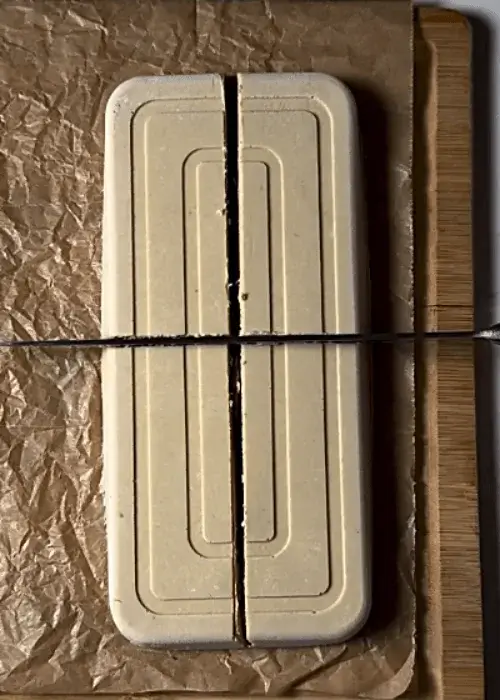
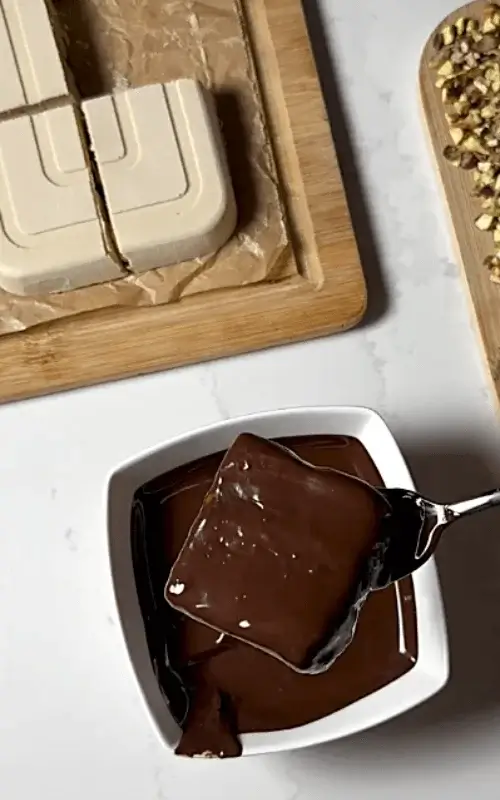
- If using a pan, cut the frozen mixture into bars.
- Melt the chocolate and coconut oil together until smooth.
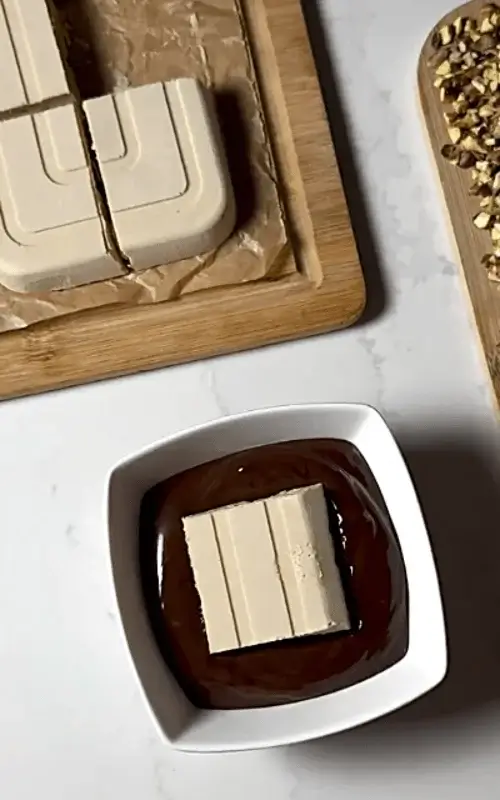
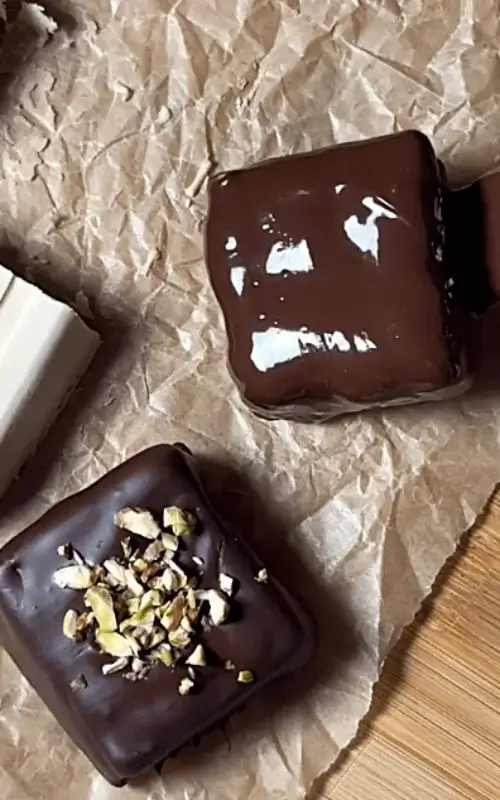
- Dip each frozen bar into the chocolate and sprinkle immediately with crushed pistachios. Freeze briefly until the coating is set.
FAQ
What makes these pistachio ice cream bars creamy without using dairy?
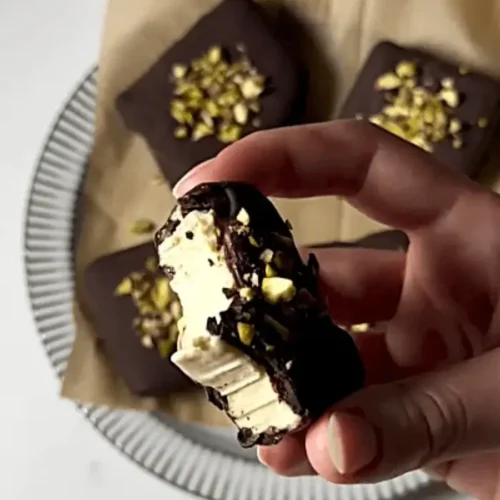
The creaminess of these pistachio ice cream bars comes from the combination of coconut cream, coconut milk concentrate, and pistachio butter. Coconut cream contains a high amount of fat, which creates a smooth texture similar to traditional ice cream by reducing the formation of large ice crystals during freezing. The pistachio butter adds natural oils and a rich nutty flavor while also contributing to the creamy consistency. Coconut milk concentrate provides additional richness and helps create a softer texture once frozen.
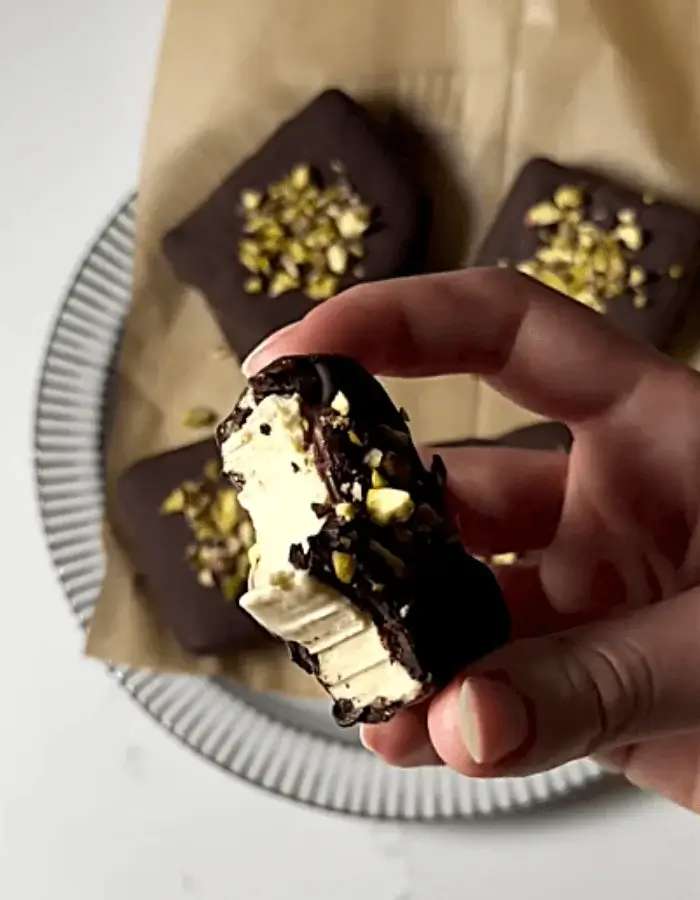
The balance of fats and sweeteners also plays an important role. Honey or maple syrup adds sweetness while slightly lowering the freezing point, which helps the bars stay easier to bite into after freezing. The chocolate coating adds contrast by creating a thin, crisp shell around the soft frozen center.
How do I prevent the chocolate coating from becoming too thick on the pistachio ice cream bars?
To create a thin, crisp chocolate shell on these pistachio ice cream bars, the key is using the right chocolate-to-coconut oil ratio and dipping the bars while they are completely frozen. The coconut oil helps thin the melted chocolate, allowing it to coat the surface quickly and evenly instead of forming a heavy layer. A thinner coating also creates the classic crackly texture associated with chocolate-covered frozen desserts.
Make sure the chocolate is fully melted and smooth before dipping. Work quickly because the cold surface of the frozen bars will cause the chocolate to set almost immediately. If the coating becomes too thick, add a small amount of coconut oil and stir until the consistency loosens. Sprinkling crushed pistachios immediately after dipping ensures they stick before the chocolate hardens.
Can I use another nut butter instead of pistachio butter?
Almond butter, cashew butter, or hazelnut butter can replace pistachio butter while keeping the creamy texture. Cashew butter is one of the closest alternatives because it has a mild flavor and smooth consistency that blends well with coconut cream.
Choose a natural nut butter without added oils, sugar, or stabilizers when possible. Added ingredients can affect the final texture and sweetness of the frozen bars. The pistachio flavor can still be highlighted by keeping the crushed pistachio topping and using pistachio extract if desired.
How long can I store these pistachio ice cream bars in the freezer?
These pistachio ice cream bars can be stored in the freezer for about 1 to 2 weeks when properly covered. For the best texture and flavor, place the finished bars in an airtight container or wrap them individually with parchment paper before storing. This helps prevent freezer odors from affecting the coconut and pistachio flavors.
Over longer storage periods, ice crystals may gradually form and slightly change the texture, even when the bars are well protected. Allowing the bars to sit at room temperature for a few minutes before serving will soften the center slightly and improve the texture.
How do I prevent ice crystals from forming in pistachio ice cream bars?
Ice crystals form in pistachio ice cream bars when water in the mixture freezes unevenly. To reduce this, the key is using high-fat ingredients like coconut cream and pistachio butter, which naturally limit ice formation. Fat coats water molecules and helps create a smoother frozen structure. Using coconut milk concentrate instead of regular coconut milk also reduces excess water in the base.
Proper mixing and freezing technique also matter. Whisking the mixture until fully smooth helps distribute fat evenly, which improves texture after freezing. Freezing the bars quickly in a cold freezer and avoiding repeated thawing and refreezing helps maintain consistency. Storing the finished bars in airtight containers with minimal air exposure further prevents ice crystals from forming over time.
Why does coconut cream work better than regular coconut milk?
Coconut cream works better than regular coconut milk in these pistachio ice cream bars because it contains a higher percentage of coconut fat, which creates a richer and smoother frozen texture. Fat helps reduce the formation of large ice crystals, making the bars feel creamy instead of icy. The thicker consistency of coconut cream also helps the mixture hold its shape once frozen, especially when combined with pistachio butter.
Regular coconut milk contains more water and less fat, which can create a harder texture after freezing. While it can still be used in some frozen desserts, it does not provide the same level of richness. Using the thick, solid portion of coconut cream gives the recipe a texture closer to traditional ice cream while keeping the dessert dairy-free. The coconut flavor also pairs naturally with the pistachio and chocolate coating.
What type of chocolate is best for coating pistachio ice cream bars?
The best chocolate for coating pistachio ice cream bars is one that melts smoothly and sets into a thin, crisp shell. Dairy-free dark chocolate works especially well because it balances the sweetness of the coconut and pistachio filling. Semi-sweet or milk-style dairy-free chocolate can also be used if you prefer a sweeter coating.
Chopped chocolate usually melts more evenly than large pieces, making it easier to combine with coconut oil. The coconut oil helps the chocolate stay fluid while dipping and creates the quick-setting texture needed for frozen bars. Avoid chocolate with added fillings or large inclusions because they may not melt smoothly and can make dipping uneven. A simple high-quality chocolate creates the cleanest finish.
How do I get clean cuts when making pistachio ice cream bars in a pan?
To get clean cuts when making pistachio ice cream bars in a pan, freeze the mixture until it is completely firm before slicing. A fully frozen base creates a stable surface that will not smear or crack easily. Use a sharp knife and run it under hot water, then dry it completely before each cut. The warmth of the knife helps glide through the frozen mixture more smoothly.
For the cleanest results, avoid leaving the frozen slab out too long before cutting because it will begin to soften around the edges. After cutting the bars, return them to the freezer before dipping in chocolate if needed. Working with very cold bars makes the coating set quickly and creates a neat finish. This method gives the pistachio ice cream bars a professional appearance similar to store-bought frozen treats.
Can I add more pistachio flavor to these pistachio ice cream bars?
Increasing the amount of pistachio butter slightly will create a stronger nutty flavor, but avoid adding too much because it can make the texture heavier. Crushed pistachios on the outside also add texture and reinforce the pistachio taste.
Another option is adding a small amount of pure pistachio extract, if available. This boosts the flavor without significantly changing the consistency of the frozen mixture. Toasting the crushed pistachios before using them as a topping can also deepen their flavor by bringing out their natural oils. The chocolate coating provides contrast, allowing the pistachio flavor to stand out even more.
Why do you add coconut oil to the chocolate coating?
Coconut oil is added to the chocolate coating for pistachio ice cream bars because it helps create a smoother, thinner shell that hardens quickly around the frozen center. Pure melted chocolate can become thick when it touches the cold ice cream, making it harder to create an even coating. A small amount of coconut oil improves the flow and helps the chocolate spread more easily.
The coconut oil also contributes to the texture of the coating. Once chilled, the chocolate becomes firm but still has a crisp bite instead of a thick, brittle layer. This technique is commonly used for frozen desserts because the temperature difference between the cold bar and warm chocolate naturally creates a fast-setting shell.