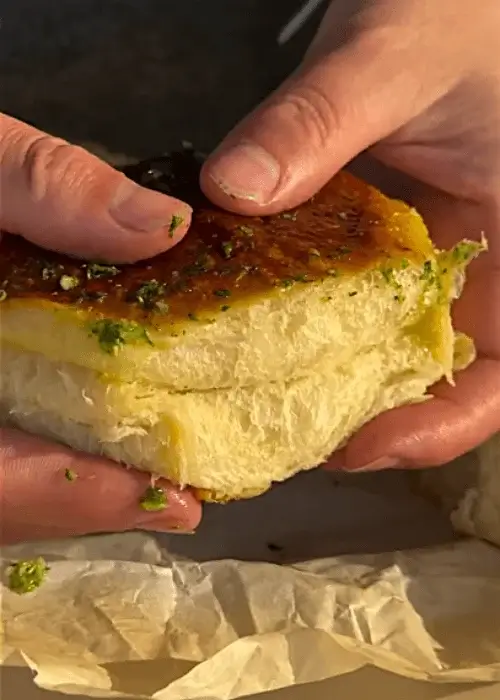
Homemade Brioche Buns with Garlic and Herbs
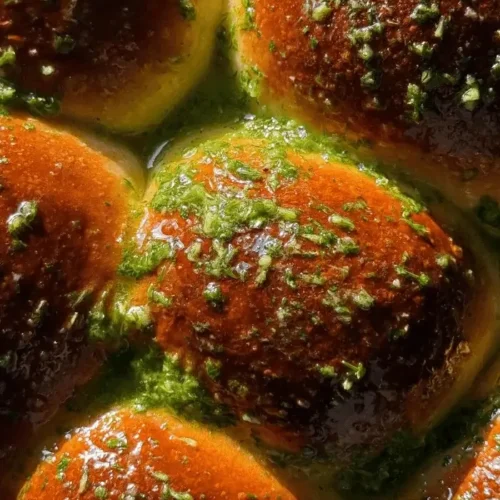
Watch the Full Step-by-Step
- Kitchen scale
- Large mixing bowl
- Bench scraper
- Baking sheet
- Pastry brush
INGREDIENTS
Dough:
- 2.2 pounds/1 kilogram bread flour
- 2 large eggs
- 2 cups/480 milliliters whole milk, cold
- ½ cup/120 grams sugar
- 2 tablespoons/20 grams dry yeast
- 3.5 ounces/100 grams unsalted butter, cold and cubed
- 1 tablespoon salt
Egg wash:
- 1 large egg
- 1 tablespoon date syrup
- 1 tablespoon water
Herb oil:
- ⅓ bunch fresh dill, finely chopped
- ⅓ bunch fresh parsley, finely chopped
- 5 garlic cloves, finely grated
- ½ teaspoon salt
- ⅓ cup olive oil

INSTRUCTIONS
- In the bowl of a stand mixer fitted with the dough hook, combine the flour, eggs, milk, sugar, yeast, and butter. Mix on low speed until a shaggy dough forms, then knead until smooth and elastic, about 10 to 12 minutes. Add the salt and knead until fully incorporated, about 2 minutes more.
- Transfer the dough to a lightly greased bowl, cover, and let rise at room temperature until doubled in size, 1 to 1½ hours.
- Meanwhile, make the herb oil. Stir together the dill, parsley, garlic, salt, and olive oil in a small bowl. Set aside.
- Line 2 baking sheets with parchment paper. Turn the dough onto a lightly floured surface and divide into 14 equal portions, about 70 grams each. Shape into tight rounds and arrange on the prepared baking sheets, leaving space between each bun. Cover loosely and let rise until puffed and slightly wobbly, 30 to 45 minutes.
- Heat the oven to 350°F /180°C. Place a shallow pan of hot water on the bottom oven rack.
- Whisk together the egg, date syrup, and water. Brush the buns evenly with the egg wash.
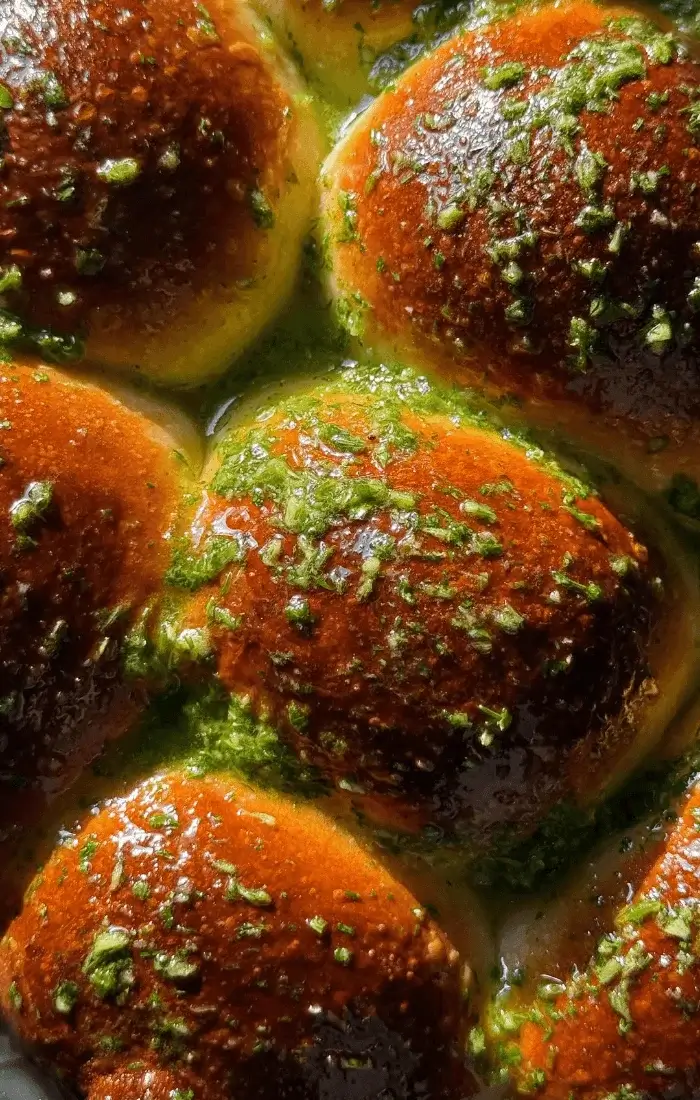
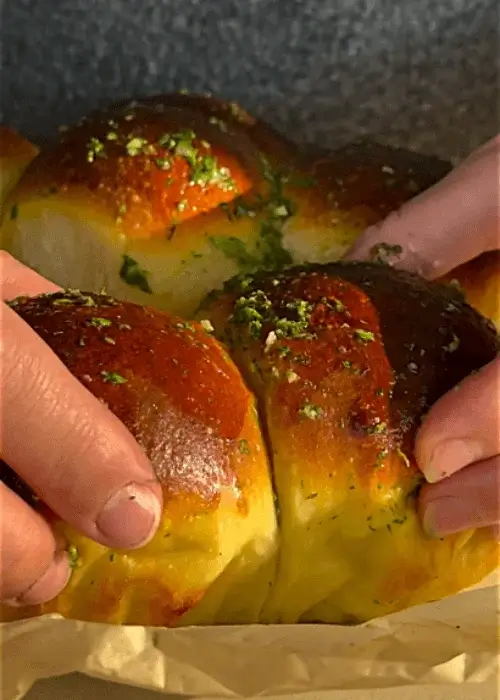
- Bake until deeply golden brown, 18 to 20 minutes. Immediately brush with the herb oil and let cool slightly before serving.
FAQ
What makes homemade brioche buns different from regular bread rolls?
Homemade brioche buns differ from standard bread rolls because they are enriched doughs, meaning they contain fat, sugar, and eggs in addition to flour, water, yeast, and salt. The butter and eggs create a softer crumb, richer flavor, and more tender texture than lean dough breads. Brioche also develops a slightly sweet flavor profile, even in savory applications like garlic and herb buns. The dough is more elastic and delicate due to the higher fat content, which affects gluten development and fermentation speed.
Another defining feature of homemade brioche buns is their thin, shiny crust. The egg wash contributes to a deep golden color and glossy finish during baking. Brioche dough also traps more moisture, resulting in buns that stay soft longer than standard dinner rolls. Because enriched dough ferments more slowly, brioche recipes usually require longer kneading and proofing times to fully develop structure and flavor. The final texture should feel airy, light, and almost feathery when pulled apart.
What is the best way to shape the buns evenly?
The best way to shape brioche buns evenly is to divide the dough by weight and create surface tension during shaping. Each piece should first be gently flattened to release large air pockets, then folded inward before being rolled against the work surface into a tight round. This process strengthens the outer layer and encourages uniform rising.
Proper shaping affects both appearance and texture. Homemade brioche buns with weak shaping may spread outward instead of rising upward, resulting in flatter buns with uneven crumb structure. Tension on the dough surface helps trap fermentation gases and supports oven spring during baking.
Avoid using too much flour during shaping because excess flour prevents the dough from gripping the work surface properly. If the dough feels too soft to handle comfortably, chilling it briefly can improve manageability without harming fermentation.
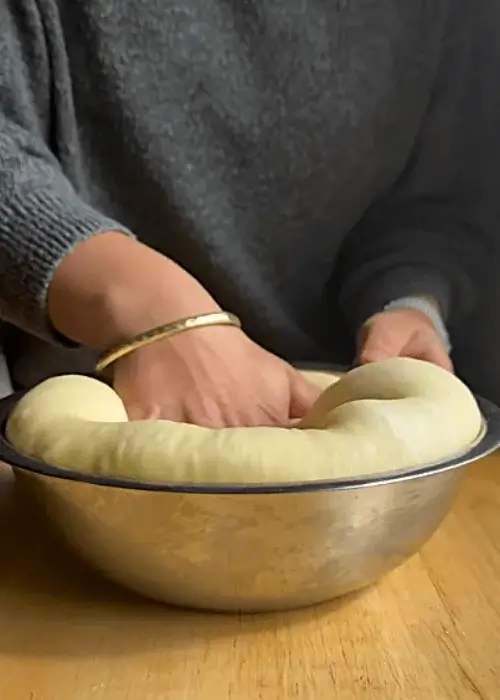
Can I make homemade brioche buns without a stand mixer?
Yes, homemade brioche buns can be made entirely by hand, although the process requires more physical effort and patience. Brioche dough is enriched with butter, eggs, and milk, making it softer and stickier than basic bread dough. Since the dough takes longer to develop gluten structure, hand kneading may require 15 to 20 minutes of continuous work instead of the shorter mixing time achieved with a stand mixer.
It is important to resist adding too much extra flour during kneading. The dough may appear sticky at first, but continued kneading gradually improves elasticity and smoothness. A slap-and-fold technique works especially well for enriched doughs because it strengthens gluten while keeping the dough hydrated. Cold butter should be incorporated gradually so it emulsifies into the dough instead of separating.
Why do the buns turn dark so quickly in the oven?
Brioche buns brown rapidly because the dough contains sugar, milk, eggs, and butter, all of which promote caramelization and Maillard browning. Egg wash also intensifies color development by coating the surface with proteins and sugars that darken under heat. Compared to lean bread doughs, brioche naturally develops a deeper golden crust in a shorter amount of time.
Oven placement and temperature accuracy also affect browning speed. If homemade brioche buns are baked too close to the upper heating element, the tops may darken before the centers finish baking. Using an oven thermometer can help verify true baking temperature, since many home ovens run hotter than indicated.
Steam from a water pan helps slow early crust formation, allowing the buns to expand before the surface sets. If the buns are browning too quickly near the end of baking, loosely tenting them with foil can prevent over-darkening without interrupting the bake.
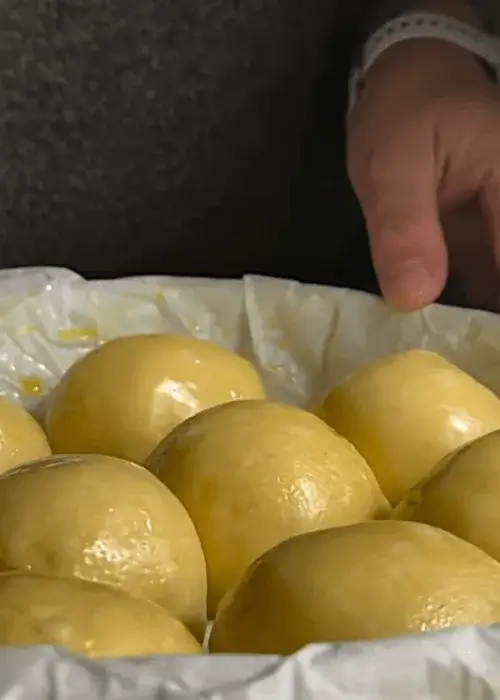
Why does brioche dough need such a long rising time?
Brioche dough rises more slowly than standard bread dough because of its high fat and sugar content. Butter, eggs, and milk enrich the dough but also slow yeast activity. Sugar competes with yeast for moisture, while fat coats portions of the flour proteins, reducing the speed of gluten development and fermentation. As a result, homemade brioche buns require longer proofing times to fully expand and develop their characteristic soft texture.
Extended fermentation also improves flavor and structure. During the rise, yeast produces carbon dioxide while organic acids and alcohols develop more complex aromas. Properly proofed homemade brioche buns become lighter and more airy because the gluten network has enough time to trap gas effectively. Underproofed dough usually bakes into dense buns with tight crumb, while overproofed dough can collapse or lose oven spring.
Can I use instant yeast instead of active dry yeast?
Yes, instant yeast can be substituted for active dry yeast in homemade brioche buns with minimal adjustments. Instant yeast is milled more finely and contains smaller granules, allowing it to dissolve and activate more quickly in dough. In most cases, the same weight can be used directly without proofing in liquid beforehand.
Brioche buns made with instant yeast may rise slightly faster because the yeast becomes active immediately during mixing. However, fermentation still depends heavily on dough temperature, sugar concentration, and butter content. Since brioche is an enriched dough, proofing times remain relatively long even with instant yeast. It is important not to rely strictly on timing because visual indicators such as volume increase and dough texture are more accurate.
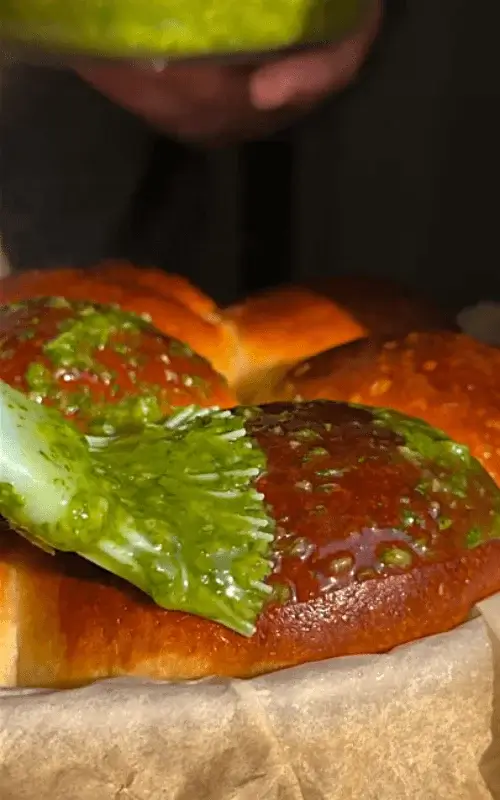
How do I know when homemade brioche buns are fully proofed?
Homemade brioche buns are properly proofed when they appear noticeably puffed, airy, and slightly wobbly when the baking sheet is gently shaken. One of the most reliable methods is the finger dent test. Lightly press the side of a bun with a floured fingertip about ½ inch deep. If the indentation slowly springs back while leaving a slight mark, the dough is ready for baking.
If the dough springs back immediately, the homemade brioche buns are still underproofed and need more time. If the indentation collapses completely without recovering, the buns may be overproofed. Proper proofing is essential because enriched dough relies on strong gas retention for its soft interior texture. Temperature also affects proofing speed significantly. In cooler kitchens, the second rise may take longer than expected, especially with doughs containing cold butter and milk.
Why does brioche dough feel sticky at first?
Homemade brioche buns often begin with a sticky dough because enriched dough contains high levels of hydration, butter, eggs, and milk. At the beginning of mixing, the gluten network has not fully formed, so the dough lacks elasticity and cohesion. As kneading continues, the proteins in the flour align and strengthen, gradually transforming the dough into a smoother and more manageable texture.
Adding extra flour too early is one of the most common mistakes when making homemade brioche buns. Excess flour can make the finished buns dense and dry instead of soft and airy. Properly kneaded brioche dough should remain slightly tacky but still hold its shape. Environmental conditions also influence stickiness. Warm kitchens soften butter faster, while humid environments increase flour absorption variability. Allowing the dough to rest briefly during mixing can also improve hydration and make kneading easier without altering the recipe ratio.
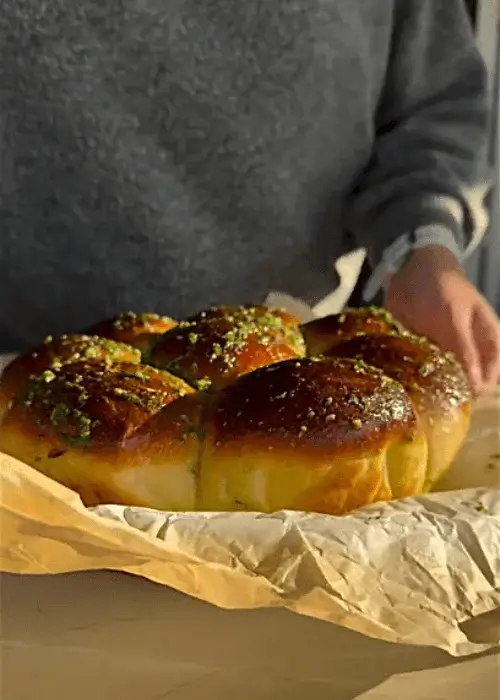
Can I use all-purpose flour instead of bread flour?
Yes, all-purpose flour can be used for homemade brioche buns, but the final texture may be slightly less chewy and structured compared to bread flour. Bread flour contains a higher protein percentage, usually around 12 to 13 percent, which helps develop stronger gluten. That stronger gluten network supports the enriched dough and improves rise, elasticity, and overall volume.
Homemade brioche buns made with all-purpose flour will still be soft and flavorful, but they may spread more during proofing and baking. The crumb can also become slightly more delicate and cake-like rather than airy and stretchy. If using all-purpose flour, proper kneading becomes even more important to maximize gluten development. Chilling the dough briefly before shaping can also help maintain structure.
Why is cold butter used in homemade brioche buns?
Cold butter is used in homemade brioche buns because it incorporates more gradually into the dough, helping maintain structure during mixing. If butter is too soft or melted, the dough can become greasy and difficult to knead properly. Gradual incorporation allows the gluten network to strengthen before the fat fully disperses, which is important for achieving the light, airy texture associated with brioche.
Using cold butter also helps regulate dough temperature. Brioche dough heats up quickly during mixing due to friction, especially in a stand mixer. Cooler butter prevents the dough from becoming overly warm, which could weaken gluten structure and accelerate fermentation too early. Proper butter incorporation creates a smooth, elastic dough that feels soft without becoming oily. In homemade brioche buns, this balance is critical because too much warmth during mixing can produce flat buns with poor shape and uneven crumb.
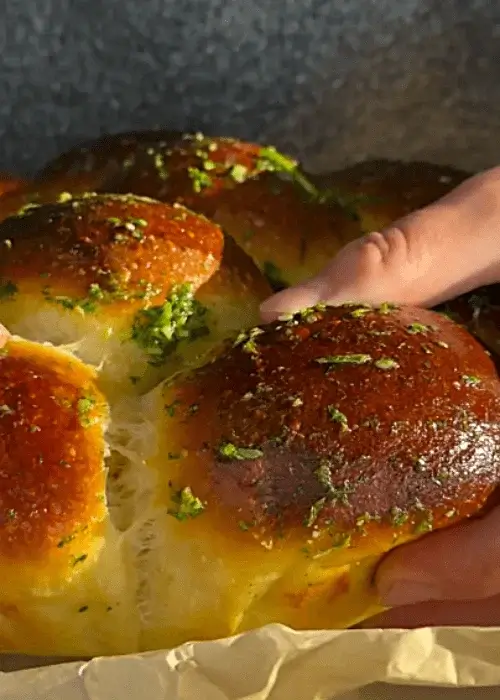
Why are my homemade brioche buns dense?
Dense brioche buns are usually caused by insufficient gluten development, underproofing, inactive yeast, or incorrect ingredient temperatures. Since brioche dough contains butter, eggs, and milk, it requires more kneading than lean bread dough to build enough structure. If the dough is not kneaded until smooth and elastic, it may not trap gas efficiently during fermentation.
Underproofing is another common issue. Homemade brioche buns need enough fermentation time to fully expand before baking. If baked too early, the crumb becomes tight and heavy. Yeast quality also matters significantly. Expired or improperly stored yeast may produce weak fermentation, resulting in poor rise. Ingredient temperature can affect yeast performance as well. Very cold dough slows fermentation considerably, while overly warm dough may weaken structure.
Can homemade brioche buns be frozen after baking?
Homemade brioche buns freeze very well because their enriched structure helps protect against moisture loss during storage. Allow the buns to cool completely before freezing to prevent condensation and ice crystal formation. Wrap them tightly in plastic wrap or place them in freezer-safe bags with as much air removed as possible.
The buns can generally be frozen for up to 2 months without significant texture loss. For best results, thaw them at room temperature while still wrapped so moisture redistributes evenly. Once thawed, reheating the buns in a 300°F oven for several minutes helps refresh the crust and soften the interior. Freezing immediately after the buns have cooled preserves freshness more effectively than freezing older bread.
What does the pan of hot water do when baking the buns?
A pan of hot water creates steam inside the oven, which improves the texture and appearance of homemade brioche buns during the early baking stage. Steam keeps the surface of the dough moist temporarily, allowing the buns to expand more fully before the crust sets. This contributes to better oven spring and a lighter final texture.
Steam also enhances crust development. Homemade brioche buns baked with steam typically develop a shinier, thinner, and more evenly browned crust compared to buns baked in a dry oven. The added moisture helps the egg wash caramelize more evenly without drying out too quickly. Because brioche dough contains sugar and dairy, it browns rapidly, so controlled steam helps balance color development with interior baking.
How should I store homemade brioche buns to keep them soft?
The buns should be stored in an airtight container or sealed plastic bag once fully cooled. Because brioche contains butter, eggs, and milk, it retains moisture better than lean breads, but exposure to air still causes staling. Keeping the buns tightly sealed helps preserve their soft crumb and prevents the crust from hardening.
Room temperature storage is best for short-term freshness. Homemade brioche buns typically remain soft for about 2 to 3 days when stored properly. Refrigeration is generally not recommended because cold temperatures accelerate starch retrogradation, which makes bread feel dry and firm more quickly. If the buns begin to lose softness, reheating briefly in a low oven can restore some moisture and tenderness. Avoid storing warm buns immediately after baking because trapped steam creates condensation, which can make the crust soggy.