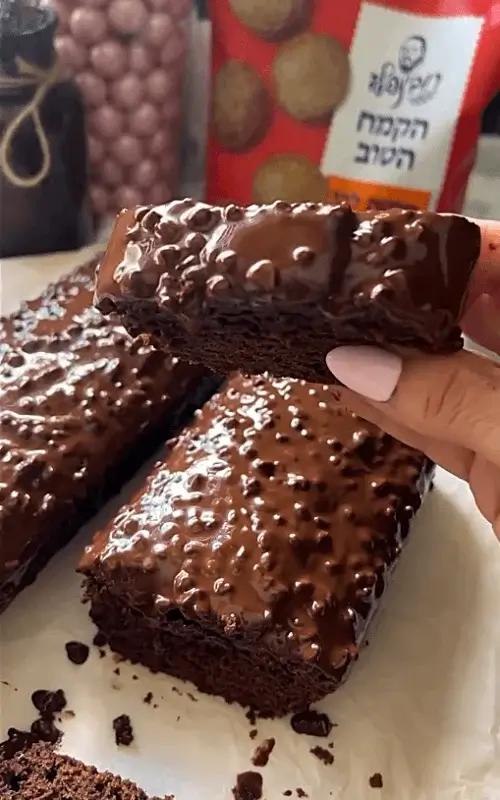
Dark Chocolate Olive Oil Cake
Watch the Full Step-by-Step
- 2 Loaf pans
- Mixing bowls
- Wire rack
- Kitchen scale
INGREDIENTS
Batter:
- 4 eggs
- ¾ cup/150 grams dark brown sugar, packed
- ½ cup/120 milliliters olive oil
- 10.5 ounces/300 grams dark chocolate, chopped
- 1 cup/240 milliliters boiling water
- 2 cups/280 grams all-purpose flour
- 1 tablespoon/12 grams baking powder
Topping:
- 7 ounces/200 grams dark chocolate
- 2 tablespoons olive oil
- 2 tablespoons chopped nuts

INSTRUCTIONS
- Preheat the oven to 325°F/160°C. Grease and line two loaf pans with parchment.
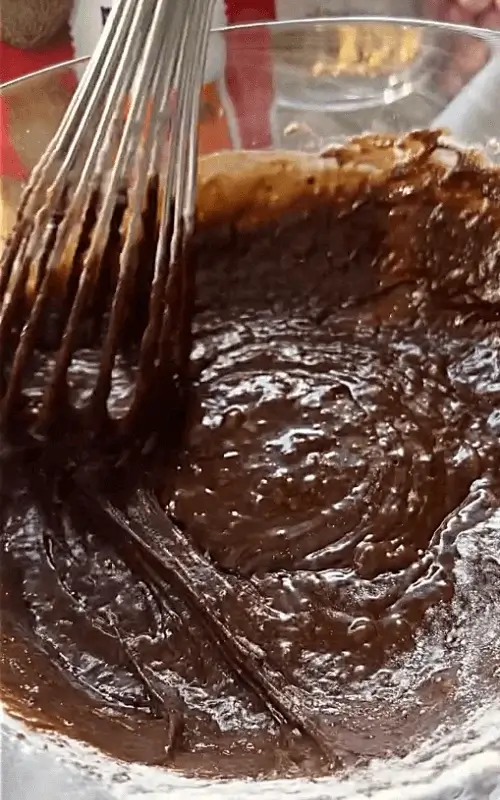
- Place chocolate, olive oil, and boiling water in a heatproof bowl. Let sit 5 minutes, then stir until
- smooth.
- In a large bowl, whisk eggs and sugar until slightly lighter, about 2 minutes. Whisk in the chocolate mixture.
- In a separate bowl, combine flour and baking powder, then fold into the chocolate mixture until just incorporated.
- Divide batter between pans and bake until the centers are just set, 25–30 minutes. Cool completely, then freeze for 1 hour.
- For the topping, melt chocolate and oil together in the microwave in short bursts, stirring until smooth. Stir in sugar or nuts.
- Remove cakes from pans and place on a rack or parchment. Spread topping over the cakes and let set. Store in an airtight container at room temperature.
FAQ
Can I taste the oil in a dark chocolate olive oil cake?
In a well-balanced dark chocolate olive oil cake, the olive oil should not be overtly dominant but rather act as a supporting flavor. The intensity depends heavily on the type of olive oil used. A mild, neutral olive oil will blend seamlessly, allowing the dark chocolate to remain the primary flavor.
A more robust extra-virgin olive oil can introduce subtle herbal or peppery undertones, which can enhance the complexity of the cake if used intentionally. The high percentage of dark chocolate in the recipe plays a key role in masking any sharpness from the oil, ensuring the overall taste remains chocolate-forward.
Can I make this dark chocolate olive oil cake gluten-free?
Replacing all-purpose flour with a high-quality gluten-free flour blend that includes a mix of rice flour, starches, and binding agents like xanthan gum will help replicate the original texture. It is important to choose a blend designed for baking rather than a single flour, as gluten-free baking requires a balance of components to mimic gluten’s elasticity and structure.
The batter consistency should remain similar to the original recipe, so slight adjustments in liquid may be needed depending on the flour blend used. The rich chocolate base and olive oil help mask minor textural differences, making this cake more forgiving than lighter sponge cakes when adapting to gluten-free formulations.
Why does the recipe call for boiling water?
Boiling water is used in a dark chocolate olive oil cake to properly melt and bloom the chocolate, which enhances both flavor and texture. When hot water is poured over chopped chocolate, it helps dissolve cocoa solids and evenly distribute cocoa butter, creating a smooth base. This process intensifies the chocolate flavor by allowing it to fully hydrate, similar to blooming cocoa powder in baking.
The heat also helps emulsify the olive oil into the mixture, ensuring a uniform batter without separation. Additionally, the added liquid contributes to a thinner batter, which results in a softer, more tender crumb after baking. The moisture introduced by the water remains trapped in the cake structure, leading to a finished product that is moist without being dense or heavy.
How should I store this dark chocolate olive oil cake?
A dark chocolate olive oil cake stores exceptionally well due to its oil-based structure, which retains moisture longer than butter-based cakes. To maintain optimal freshness, store the cake in an airtight container at room temperature for up to 3 days. Because olive oil does not solidify like butter, the crumb remains soft even in cooler environments, so refrigeration is generally unnecessary unless the ambient temperature is very warm.
If refrigerated, the cake should be brought back to room temperature before serving to restore its full texture and flavor. For longer storage, the cake can be wrapped tightly in plastic wrap and frozen for up to one month. When thawing, keep it wrapped until fully defrosted to prevent condensation from affecting the surface or the chocolate topping.
Can I make a dairy-free version of this cake?
The primary ingredient to check is the dark chocolate, as some varieties contain milk solids. Choosing a certified dairy-free dark chocolate ensures compliance without affecting the structure. Since olive oil replaces butter, no additional fat substitutions are needed.
The rest of the ingredients—eggs, flour, sugar, and water—are inherently dairy-free. For the topping, the same principle applies: use dairy-free chocolate and maintain the olive oil component for smoothness. The result will closely match the original in both texture and flavor, as the richness of the chocolate and oil combination provides sufficient body without relying on dairy-based ingredients.
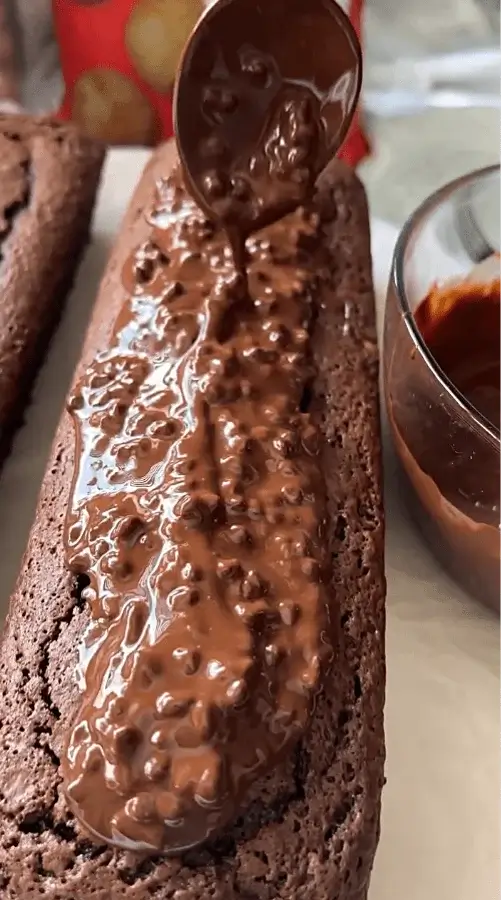
Why is the center of the dark chocolate olive oil cake slightly underbaked?
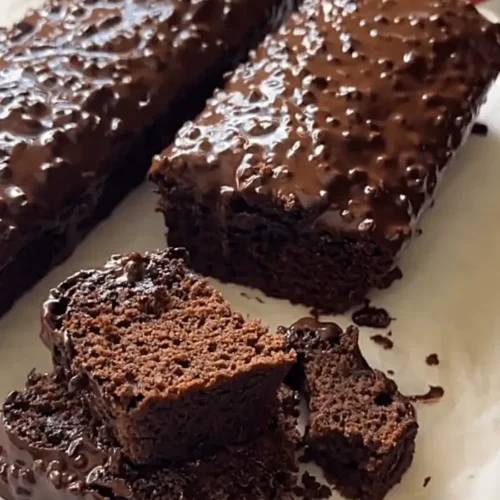
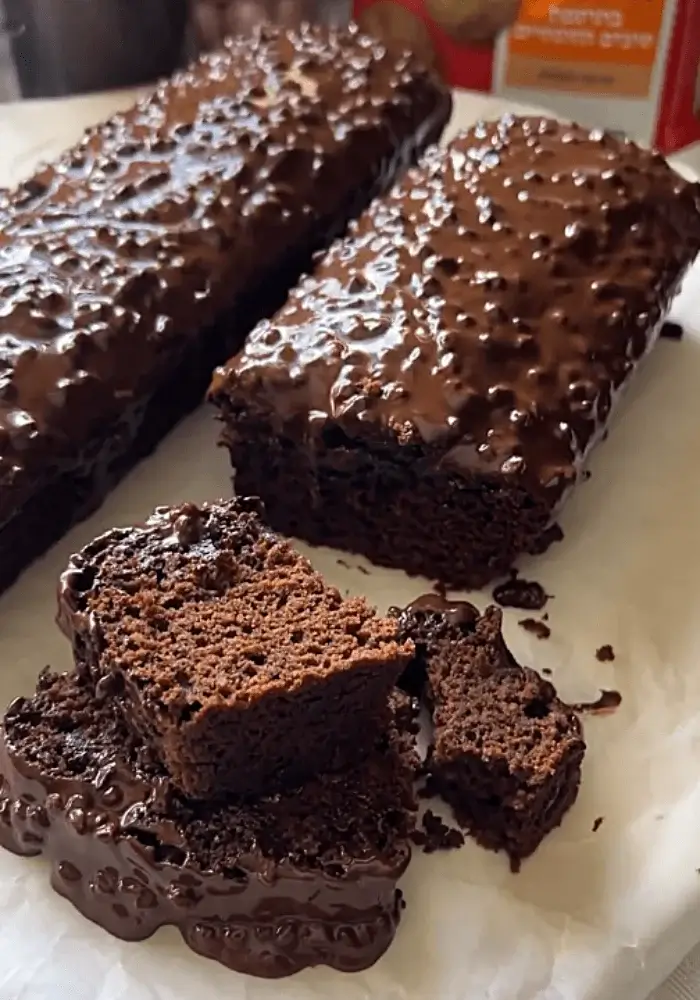
The center is intentionally left slightly underbaked to achieve a specific texture. Because the batter is rich in chocolate and oil, it continues to set as it cools due to residual heat. Pulling the cake from the oven when the center is just set but still soft prevents overbaking, which would dry out the crumb and dull the chocolate flavor.
This technique creates a fudgy, almost truffle-like interior while maintaining structure around the edges. The subsequent cooling and brief freezing step stabilizes the cake, allowing it to firm up enough for slicing without losing moisture. This approach is common in high-moisture chocolate cakes and ensures that the final texture is luxurious rather than cakey or dry.
Can I substitute the dark chocolate?
Dark chocolate typically contains a higher percentage of cocoa solids and less sugar than milk chocolate, which contributes to the cake’s deep flavor and balanced sweetness. Using milk chocolate will result in a sweeter, less intense cake and may alter the texture due to its higher fat and sugar content.
Bittersweet or semisweet chocolate can be used interchangeably with minor adjustments in sweetness. It is important to maintain a similar cocoa percentage, ideally between 60% and 75%, to preserve the intended richness. Lower-quality chocolate with added stabilizers can also impact melting behavior and final texture, so choosing a high-quality chocolate is critical for consistency.
Why does my dark chocolate olive oil cake sink in the middle?
One common reason is underbaking beyond the intended soft center, where the internal structure has not set enough to support itself. Another factor is overmixing, which can incorporate too much air, causing the cake to rise rapidly and then collapse as it cools. Opening the oven door too early can also cause a sudden drop in temperature, leading to collapse.
Additionally, incorrect ratios of leavening or liquid can weaken the structure. Because this cake is designed to have a slightly soft center, it is important to distinguish between a controlled, fudgy interior and an actual collapse.
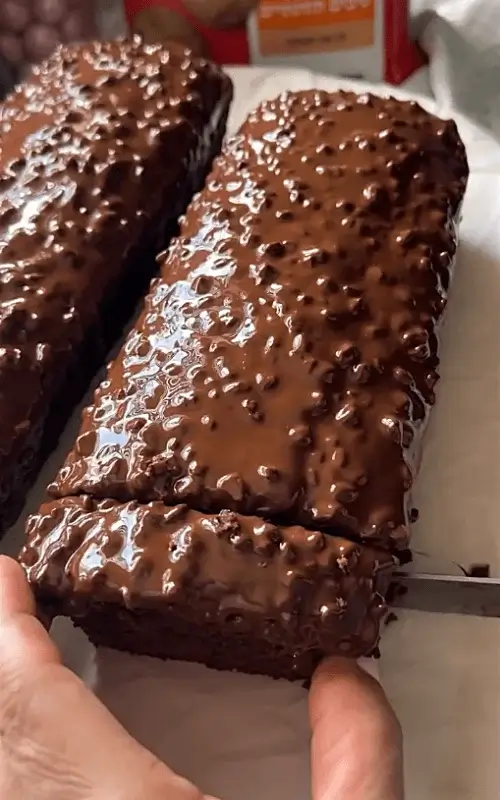
Why is the dark chocolate olive oil cake frozen before adding the topping?
Freezing the dark chocolate olive oil cake before adding the topping serves a functional purpose in achieving a clean finish. A chilled or lightly frozen cake has a firmer surface, which prevents the warm melted chocolate topping from soaking into the crumb or causing it to break apart. This temperature contrast allows the topping to set quickly on contact, forming a smooth, defined layer.
It also makes handling and unmolding easier, reducing the risk of tearing or sticking. From a structural standpoint, the brief freezing period helps stabilize the cake after baking, especially since it is intentionally kept slightly soft in the center. This step ensures that the final presentation is neat and that the topping remains distinct rather than blending into the cake.
What type of olive oil is best for this cake?
A mild, neutral olive oil is ideal if the goal is to highlight the chocolate without introducing additional flavor notes. However, a high-quality extra-virgin olive oil with subtle fruity or grassy characteristics can enhance the cake’s complexity when used thoughtfully.
Strong, peppery oils may overpower the chocolate and should be avoided unless a more pronounced flavor contrast is desired. It is important to use fresh oil, as rancid olive oil will negatively affect the taste. Since olive oil is a primary fat in the recipe, its quality is directly reflected in the final product, making it worth selecting a well-balanced, food-grade oil rather than a generic or heavily processed option.
Why is my dark chocolate olive oil cake dense?
A dense cake is usually the result of overmixing, incorrect ingredient ratios, or improper baking. Overmixing the batter after adding flour can develop excess gluten, leading to a tighter crumb. Even though this cake is meant to be rich, it should still have a soft, tender structure rather than a heavy or compact one.
Using too much flour or not measuring accurately can also cause density, as can underbaking to the point where the structure never fully sets. Conversely, overbaking can dry out the cake, making it feel dense rather than moist. Ensuring proper emulsification of the chocolate mixture and maintaining the correct oven temperature are critical.