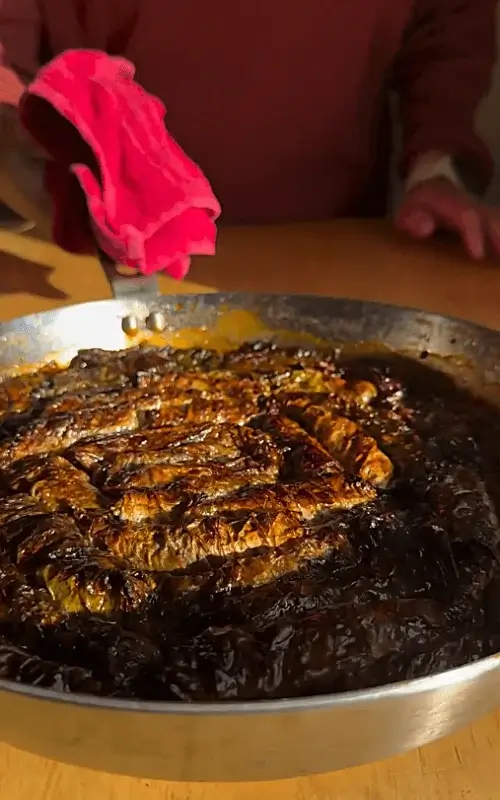
Malfuf (Stuffed Cabbage Rolls)
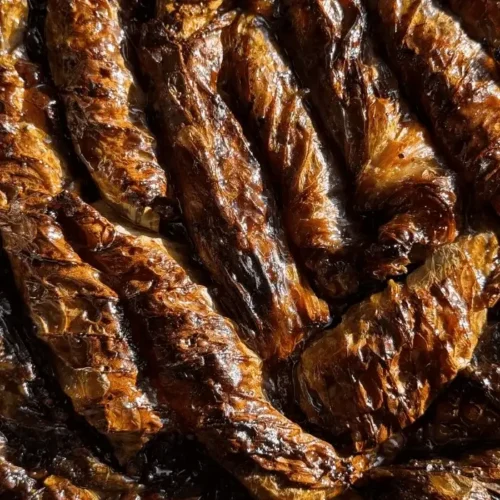
Watch the Full Step-by-Step
- Large pot
- Mixing bowls
- Ovenproof baking dish
INGREDIENTS
- 1 cup short-grain rice, rinsed
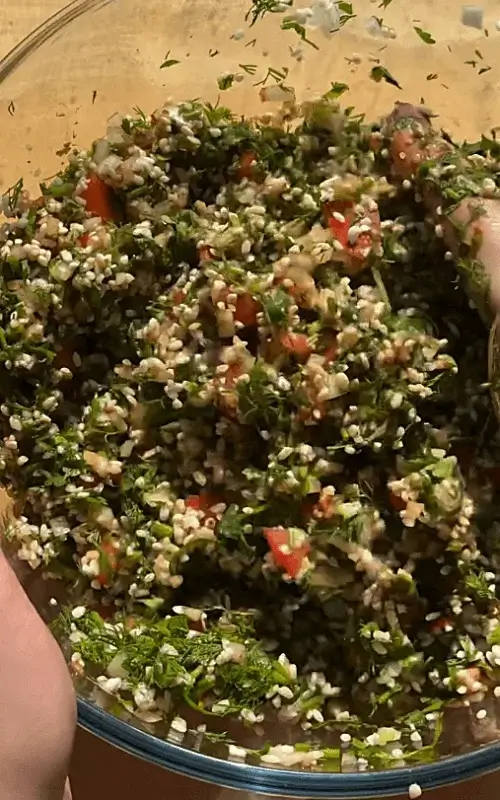
- ½ bunch each cilantro, parsley, dill, mint, chopped
- 3 medium tomatoes, diced small
- 2 medium onions, finely chopped
- 3 tablespoons pomegranate molasses
- 3 tablespoons date syrup
- 1 heaping tablespoon sweet paprika
- ½ teaspoon ground cumin
- 3 tablespoons olive oil
- Salt and pepper to taste
Sauce:
- Juice of 1 lemon
- 3 tablespoons pomegranate molasses
- 3 tablespoons date syrup
- 1 tablespoon sweet paprika, or mix with hot paprika
- 2 heaping tablespoons tomato paste
- 4 tablespoons olive oil
- Salt and pepper
- Water to cover

INSTRUCTIONS
- Bring a large pot of water to boil. Trim the cabbage base and blanch leaves for 3–5 minutes until slightly softened. Cool.
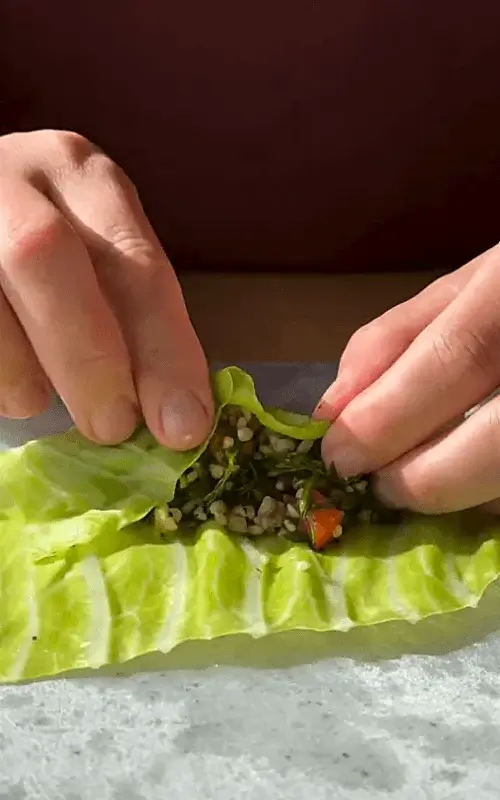
- Mix all filling ingredients in a bowl until combined. Trim the thick vein from cabbage leaves. Place filling on each leaf and roll, keeping edges tucked to prevent spilling.
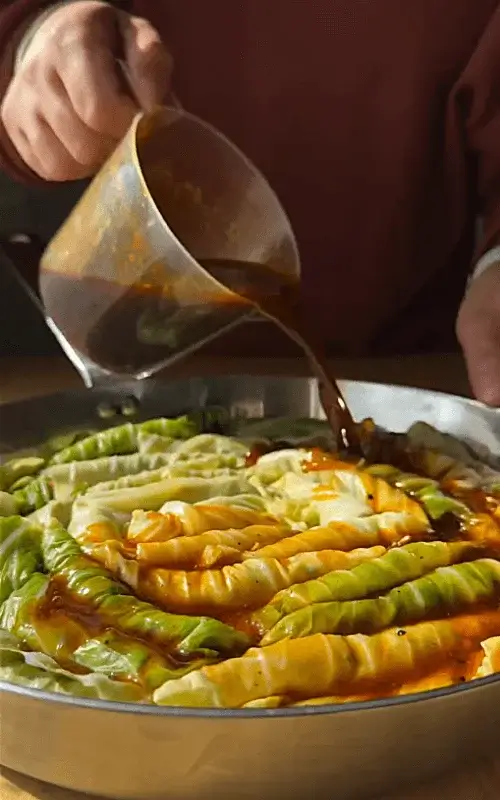
- Arrange stuffed cabbages tightly in a wide ovenproof pot or baking dish, layering with cabbage leaves or tomato slices if desired. Mix sauce ingredients, taste, and adjust. Pour over rolls until covered, leaving a little extra liquid.
- Cover with parchment, then a heatproof plate, then foil. Bake in a preheated oven at 200°C/390°F for 1 hour. Remove the cover and bake for another 30 minutes.
- Finish with a drizzle of olive oil and fresh lemon juice before serving.
FAQ
What is malfuf and how does it differ from other stuffed cabbage dishes?
While many cultures have versions of stuffed cabbage, malfuf is distinctive for its bright, sweet-and-sour flavor profile and the heavy use of fresh herbs. The filling typically combines short-grain rice with chopped parsley, cilantro, dill, and mint, creating a fragrant mixture that cooks directly inside the cabbage leaves.
Another defining feature of malfuf is the sauce, which often includes lemon juice, tomato paste, olive oil, and date syrup or pomegranate molasses to create a balance between acidity and sweetness. Unlike some European cabbage rolls that include meat and a thick tomato sauce, malfuf is often vegetarian and lighter in texture. The rolls are packed tightly into a pot or baking dish and slowly baked or simmered, allowing the cabbage, rice, and sauce to meld together into a cohesive, flavorful dish.
What type of cabbage works best for making malfuf?
The best cabbage for making malfuf is a large green cabbage with flexible leaves that can be easily separated and rolled without tearing. In many Middle Eastern kitchens, cooks prefer baladi cabbage, which has tender leaves and a slightly sweeter flavor. However, standard green cabbage available in most supermarkets also works very well for malfuf if prepared correctly.
The key step is blanching the leaves briefly in boiling water so they soften and become pliable. This softening process allows the leaves to wrap around the filling tightly without cracking. Savoy cabbage can also be used because its leaves are naturally softer and more flexible, though the textured surface may make rolling slightly different. Avoid very small or dense cabbages, as their leaves are harder to separate and tend to tear.
Do you need to cook the rice before stuffing malfuf?
Rice used in malfuf is typically not fully cooked before stuffing the cabbage leaves. Instead, the rice is rinsed thoroughly to remove excess starch and then mixed raw with herbs, vegetables, and seasonings. During cooking, the rice absorbs moisture from the sauce and the natural liquid released by the cabbage, allowing it to cook gradually inside the roll.
This method helps the filling stay compact and prevents the rolls from becoming mushy. If the rice were fully cooked beforehand, it could break down and create a softer texture that may cause the malfuf to fall apart. Using short-grain rice is particularly helpful because it holds together well and absorbs flavor efficiently
How do you keep the rolls from falling apart during cooking?
First, the cabbage must be blanched until the leaves are flexible but not overly soft. This makes them easier to roll tightly without tearing. Before filling, the thick central vein of each leaf should be trimmed slightly to create a flatter surface for rolling. When assembling malfuf, place a small portion of filling near the base of the leaf and roll it forward while tucking the sides inward to secure the filling.
Avoid overfilling, as expanding rice can push the roll open during cooking. Another important technique is arranging the malfuf tightly in the pot or baking dish. The rolls should be packed closely together so they support one another and remain stable while cooking. Some cooks also place extra cabbage leaves or tomato slices on the bottom of the pot to create a base layer that helps keep the rolls from shifting.
Can malfuf be made ahead of time or frozen for later?
Once assembled and cooked, the rolls can be refrigerated in their sauce for up to three days without losing quality. In fact, many cooks find that reheated malfuf tastes even better because the rice and cabbage absorb more of the sauce over time.
To freeze malfuf, allow the rolls to cool completely, then place them in an airtight container with some of the sauce to prevent drying. Properly stored malfuf can be frozen for up to three months. When reheating, it is best to thaw the rolls overnight in the refrigerator and then warm them gently in a covered pot or oven with a small amount of additional water or sauce.
How do you balance the sweet and tangy flavors in the sauce?
The hallmark of a good malfuf is a sauce that balances sweetness and acidity without allowing one flavor to dominate. The tangy element usually comes from fresh lemon juice and tomato paste, while sweetness is provided by ingredients such as date syrup or pomegranate molasses. Achieving the right balance requires tasting the sauce before pouring it over the rolls.
If the lemon flavor feels too sharp, adding a small amount of date syrup can soften the acidity and round out the flavor. If the sauce tastes too sweet, increasing the lemon juice or adding a splash of water can restore balance. Olive oil also plays an important role in malfuf sauce because it helps emulsify the ingredients and carries the flavors throughout the dish. During cooking, the cabbage releases additional moisture and mild sweetness.
How long should malfuf cook to ensure the rice is fully tender?
Because the rice inside the cabbage rolls is usually uncooked when assembled, it needs enough time in the oven or pot to absorb the surrounding liquid. Most malfuf recipes require approximately 90 minutes of total cooking time. The first stage typically involves covering the dish tightly and baking or simmering for about one hour.
This covered stage traps steam and allows the rice to absorb moisture from the sauce and the cabbage itself. After that, the cover is removed and the malfuf cooks for an additional 20 to 30 minutes. This second stage helps concentrate the sauce and allows the cabbage to develop deeper flavor. If the rice grains still feel firm when tested, adding a small amount of water and continuing to cook for another 10 minutes usually resolves the issue.
Can meat be added to the filling?
When meat is used, ground lamb or ground beef is the most common choice. The meat is typically mixed directly with the uncooked rice, herbs, onions, and spices before stuffing the cabbage leaves. This method allows the meat to cook gradually while the rice absorbs moisture from the sauce.
It is important to maintain the correct ratio so the rolls remain balanced. A common proportion is roughly equal parts ground meat and rice by volume, although some cooks prefer slightly more rice for a lighter texture. The addition of meat changes the overall flavor profile of malfuf, making it richer and more savory. In this case, the sauce often becomes even more important because its acidity from lemon juice and sweetness from date syrup or pomegranate molasses helps cut through the richness of the meat.
What side dishes pair well with malfuf?
One common accompaniment is a simple cucumber and yogurt salad, which provides cooling contrast to the warm cabbage rolls. The creamy yogurt balances the acidity of the lemon-based malfuf sauce while refreshing the palate between bites. Fresh vegetable salads such as chopped tomato, cucumber, and parsley also work well because they add brightness and texture.
Warm flatbreads like pita are often served alongside malfuf so diners can scoop up the flavorful sauce left on the plate. Pickled vegetables, especially turnips or cucumbers, provide an additional sharp element that enhances the sweet and tangy character of the dish. Some meals featuring malfuf may also include small mezze plates like hummus or baba ghanoush, which create a more complete and varied spread.