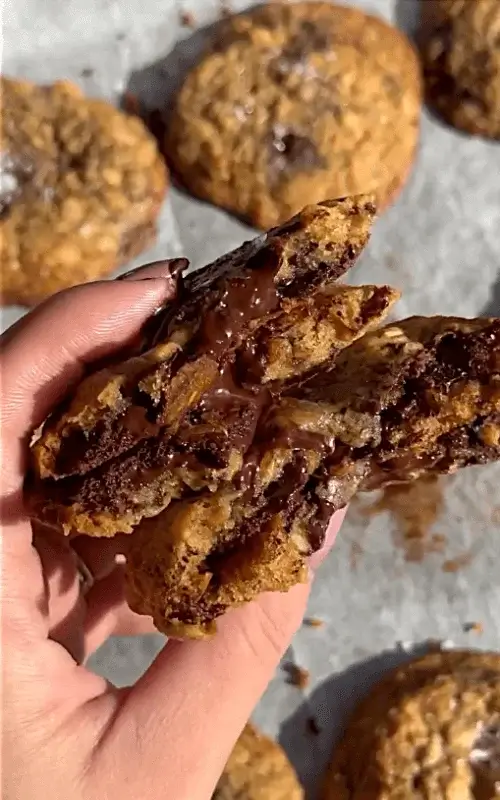
Oatmeal Chocolate Cookies with Flaky Sea Salt
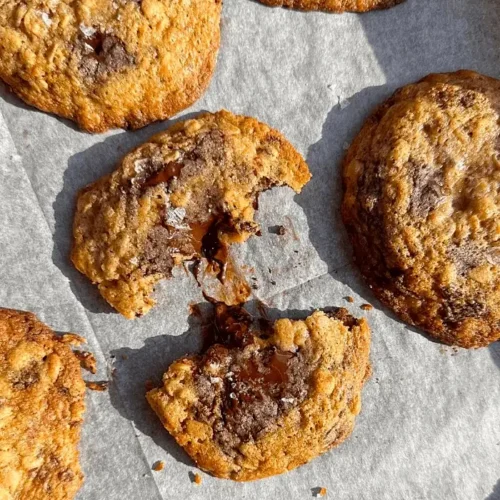
Watch the Full Step-by-Step
- Mixing bowls
- Kitchen scale
INGREDIENTS
- 2.8 ounces/80 grams unsalted butter, softened
- 1 large egg plus 1 large yolk/75 grams
- ½ cup/50 grams thick-cut rolled oats
- ¾ cup/100 grams all-purpose flour
- ¼ cup/50 grams dark brown sugar
- ⅓ cup/70 grams sugar
- 3 ounces/80 grams dark chocolate chunks
- ½ teaspoon/2 grams baking soda
- 1 teaspoon vanilla paste or extract
- Pinch of fine salt
- Flaky sea salt for finishing

INSTRUCTIONS
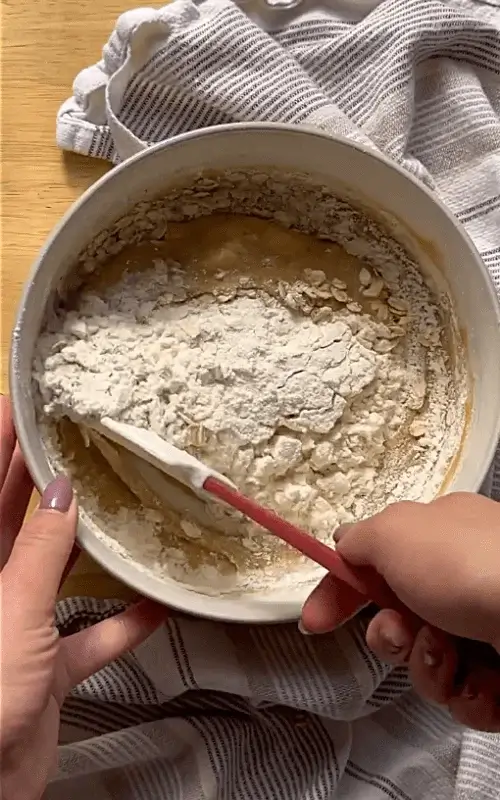
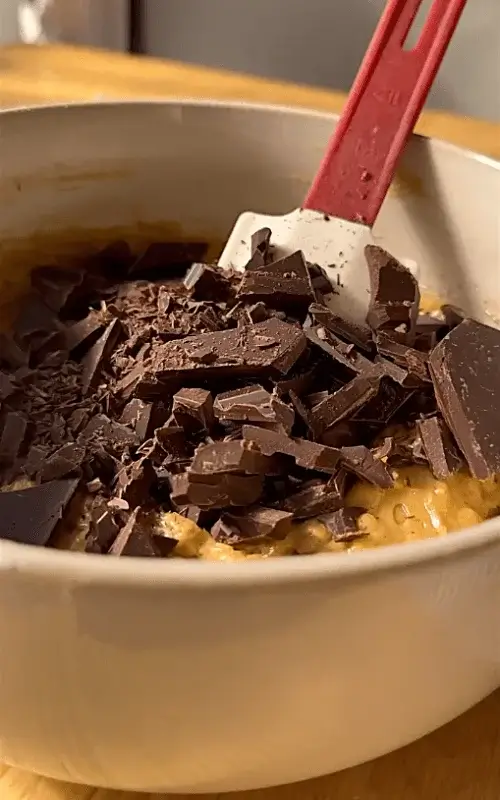
- Beat the softened butter with the sugars until smooth. Add the egg, yolk and vanilla, and mix until combined. Add the flour, oats, baking soda and salt, stirring just until the dough comes together. Fold in the chopped chocolate. Scoop into balls and place on a parchment-lined baking sheet. Freeze for 60 minutes.
- Heat the oven to 340°F/170°C.
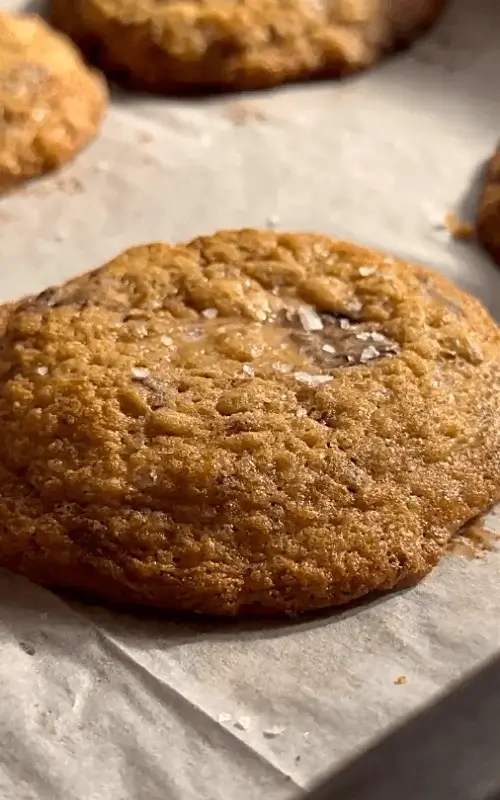
- Arrange the dough balls on a parchment-lined sheet tray, leaving space between them. Bake 10 to 12 minutes, or 8 minutes for smaller cookies, until the edges are set but the centers look slightly underdone. Cool completely; the cookies continue to set as they rest. Sprinkle with flaky salt.
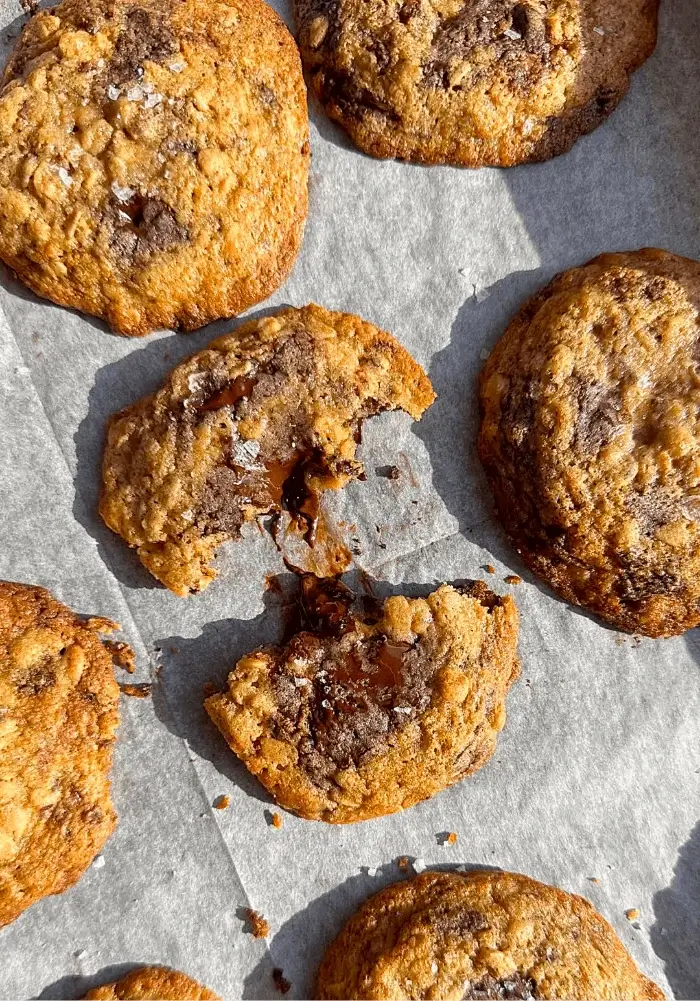
FAQ
What makes oatmeal chocolate cookies chewy instead of cakey?
Chewiness in oatmeal chocolate cookies comes from a balance of moisture, fat, and sugar structure, and understanding that balance helps control the final texture. Using a higher ratio of brown sugar to white sugar increases moisture retention because brown sugar contains molasses, which naturally draws in and holds water. The use of melted or very soft butter also contributes to a denser, chewier crumb since it blends more completely with the sugars.
Oats themselves play a major role because they absorb moisture during baking and contribute to a bendy, chewy bite rather than a fluffy, cakey one. The addition of one egg plus an extra yolk increases fat without adding too much liquid, which enhances tenderness. Underbaking the cookies slightly and allowing them to finish cooking on the hot tray after removal from the oven also preserves that classic chewy center that people expect from oatmeal chocolate cookies.
Do I need to use both an egg and a yolk?
Using both an egg and an extra yolk in oatmeal chocolate cookies contributes significantly to the cookies’ richness, chew, and structure. The whole egg provides moisture and binding power, helping the dough hold together and bake evenly. The additional yolk adds fat without adding extra water, which enhances tenderness and prevents the cookies from drying out.
Yolks also help create a denser, more luxurious chew, which is a defining characteristic of many oatmeal-based cookies. If you omit the yolk, the dough may become slightly drier and the cookies may spread less, resulting in a firmer texture. The combination of one whole egg and one yolk creates a balanced structure that complements the oats and dark chocolate, producing oatmeal chocolate cookies with soft centers, crisp edges, and a richer overall flavor.
Can I freeze the dough for oatmeal chocolate cookies?
Freezing the dough for oatmeal chocolate cookies is not only possible but one of the best ways to ensure even spreading and consistent browning. Chilling or freezing firms the butter, allowing the cookies to hold their shape longer in the oven before melting and spreading. This is particularly helpful with oats, which need time to hydrate but also contribute to structural density. Freezing the dough balls individually makes it easy to bake as many cookies as needed without preparing a fresh batch of dough each time.
For optimal results, freeze the dough balls on a parchment-lined sheet tray until solid, then transfer them to a freezer-safe bag. They can be baked straight from frozen by adding 1–2 extra minutes to the baking time. This method also helps deepen the flavor because the dough has time to rest, similar to how chocolate chip cookie dough improves over time. Many bakers prefer this technique because oatmeal chocolate cookies baked from frozen tend to have crisp edges and chewier centers.
What type of chocolate works best in this recipe?
Choosing the right chocolate affects both the flavor and texture of oatmeal chocolate cookies, and the ideal choice depends on how intense you want the chocolate profile to be. Dark chocolate, especially between 70 and 85 percent cacao, melts smoothly and balances the natural sweetness of the dough. Chopped chocolate bars or couverture chunks melt into irregular pockets, giving the cookies a more luxurious texture than uniform chips.
Chocolate chips, while convenient, contain stabilizers that prevent full melting, so they create firmer, more defined bites of chocolate rather than gooey pools. Combining chopped chocolate and chips is another strategy for balancing meltiness with structure. If using milk chocolate, be aware of its higher sugar content, which can make the cookies sweeter and softer. Semi-sweet chocolate sits in the middle and works well for a more classic flavor.
How do I prevent oatmeal chocolate cookies from spreading too much?
Preventing oatmeal chocolate cookies from spreading too much depends on managing the dough’s temperature, the fat-to-flour ratio, and how well the ingredients are incorporated. Warm dough is the most common cause of excessive spreading because the butter melts too quickly in the oven. Chilling or freezing the dough allows the butter to firm up, so it melts gradually and maintains shape.
Using the correct amount of flour is equally important; too little flour leads to weak structure that cannot hold the melted butter. Rolled oats also provide structure, so using the correct type matters. Cookies will also spread more if the baking sheet is warm, so always use a fully cooled tray between batches. A higher oven temperature, around 340°F to 350°F, helps set the cookie edges quickly so they do not collapse outward.
Why do oatmeal chocolate cookies need to chill before baking?
Chilling the dough for oatmeal chocolate cookies is essential for achieving proper spread, texture, and flavor. When the dough is warm, the butter melts too quickly in the oven, causing the cookies to flatten excessively and bake unevenly. By freezing or chilling the dough, the butter firms up, so the cookies spread more gradually, allowing the oats to hydrate while maintaining structure. This step is especially important when using very soft butter or high ratios of brown sugar, both of which encourage faster spreading.
Chilling also allows the flour and oats to fully absorb the liquid in the dough, resulting in a chewier, more cohesive cookie. Additionally, resting the dough improves flavor development because the ingredients have time to meld, similar to how aging improves chocolate chip cookie dough. This extra step produces oatmeal chocolate cookies with crisp edges, soft centers, and deeper flavor, which is why experienced bakers rarely skip it.
Can I substitute quick oats for rolled oats?
Quick oats can be used in oatmeal chocolate cookies, but the texture and baking behavior will change noticeably because quick oats absorb moisture differently and break down more quickly during mixing. Rolled oats, also called old-fashioned oats, retain their shape during baking, giving the cookies their characteristic chew and hearty texture.
Quick oats, on the other hand, are thinner and more processed, so they soften immediately and create a denser, slightly more uniform cookie. If you use quick oats, you may need to reduce the total amount slightly to prevent the dough from becoming too dry. Rolled oats produce the best structure and chew, but if quick oats are your only option, the recipe will still work—it will simply yield a softer, less textured version of oatmeal chocolate cookies.
What is the best way to store oatmeal chocolate cookies?
Storing oatmeal chocolate cookies properly helps maintain their signature chewy texture without drying out or becoming stale. These cookies contain brown sugar, oats, and butter, all of which attract and hold moisture, so they generally store well when handled correctly. The best method is to keep them in an airtight container at room temperature with a small piece of parchment between layers to prevent sticking.
If you prefer softer cookies, place a slice of sandwich bread inside the container; the cookies absorb moisture from the bread without becoming soggy. Avoid refrigerating them because the cold environment accelerates staling. For longer storage, freeze fully baked and cooled cookies in a sealed bag, removing as much air as possible. They thaw quickly at room temperature and maintain excellent texture. This approach keeps oatmeal chocolate cookies tasting freshly baked for days or even weeks.