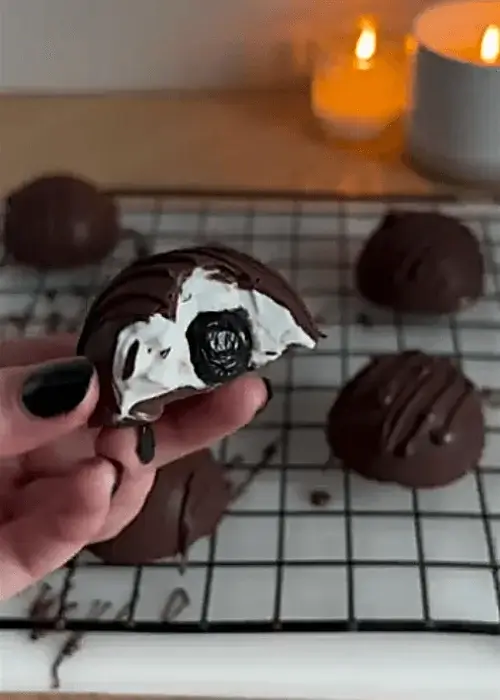
3-Ingredient Frozen Yogurt Bites
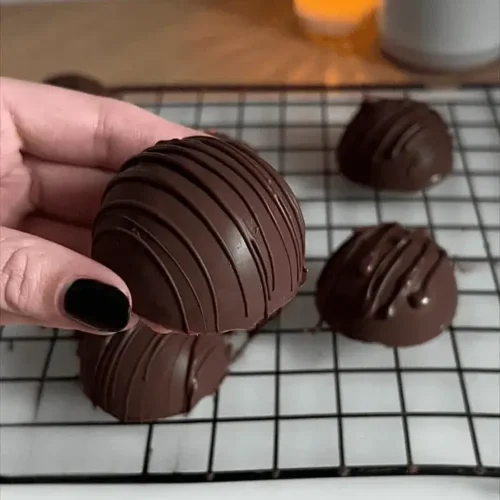
Watch the Full Step-by-Step
- Small heatproof plastic bag
- Scissors
- Round silicone chocolate mold
INGREDIENTS
- 3/4 cup plain yogurt
- 1/2 cup blueberries, fresh or frozen
- 2.5 ounces/75 grams milk or dark chocolate

INSTRUCTIONS
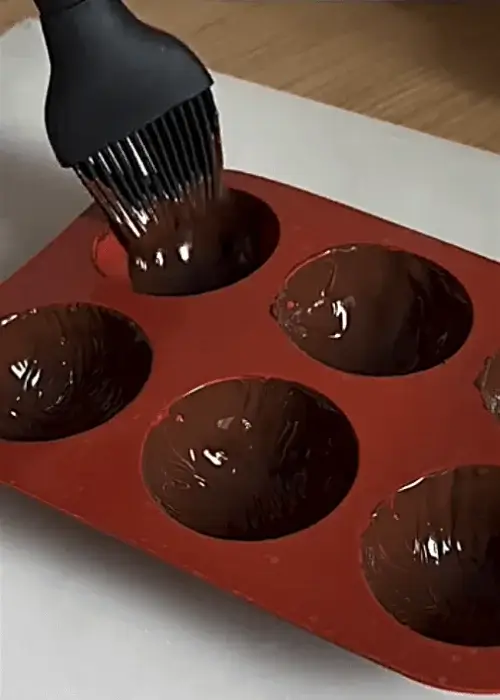
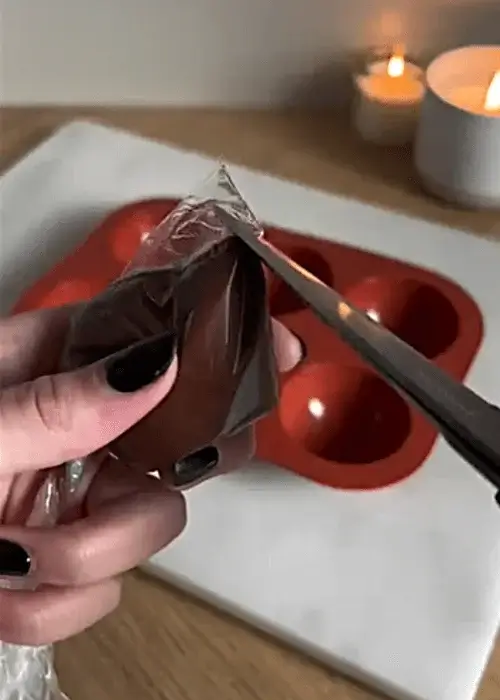
- Place the chopped chocolate in a small heatproof plastic bag. Set the bag in a mug or heatproof glass and pour boiling water around it, keeping all water out of the bag. Let stand for 3 minutes, then dry the bag thoroughly and snip off a small corner.
- Pipe the melted chocolate into a silicone mold, tilting and rotating to coat the sides evenly. Transfer the mold to the freezer until the chocolate is fully set, about 10 minutes.
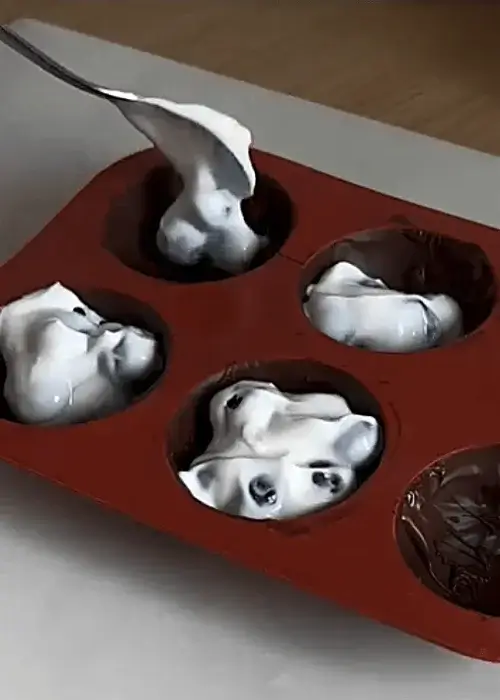
- Meanwhile, stir the yogurt and blueberries together until evenly combined. Spoon the mixture into the chilled mold.
- Pipe the remaining chocolate over the top, smoothing gently if needed. Freeze until firm and fully set, at least 2 hours.
- Unmold and serve straight from the freezer. An extra drizzle of chocolate on top is optional and purely decorative.

FAQ
How to prevent frozen yogurt bites from becoming icy in the freezer
Yogurt naturally contains a high percentage of water, which can crystallize when frozen. For frozen yogurt bites, using full-fat yogurt is strongly recommended because fat inhibits ice crystal formation and creates a creamier texture. Stirring the yogurt thoroughly before mixing with fruit helps distribute moisture evenly, reducing localized ice pockets.
If using frozen blueberries, allow them to thaw slightly and blot off excess moisture before mixing. Rapid freezing also matters: placing frozen yogurt bites in the coldest part of the freezer helps them set quickly, which limits crystal growth. Finally, keeping the bites stored in an airtight container once frozen prevents freezer burn and moisture migration, both of which contribute to an icy mouthfeel in frozen yogurt bites.
What type of chocolate works best for coating frozen yogurt bites?
Chocolate selection directly affects texture, snap, and melt resistance. For frozen yogurt bites, chocolate with a cocoa butter content of at least 30 percent melts smoothly and sets firmly when chilled. Dark chocolate provides the cleanest snap and balances the tang of yogurt, while milk chocolate offers a softer, sweeter coating. Compound chocolate can be used, but it often tastes waxy and melts too quickly when handled. Tempering is not required for frozen applications, but melting gently and keeping all moisture away is critical, as even a small amount of water can cause chocolate to seize. Thin coatings are preferable, as thick layers crack unevenly when bitten.
How long do the bites last in the freezer before quality declines?
Frozen yogurt bites are best consumed within 2 to 3 weeks for optimal texture and flavor. While they remain safe to eat longer if stored properly, quality gradually declines due to freezer burn, moisture loss, and flavor absorption from the freezer environment. Yogurt is particularly sensitive to dehydration, which can lead to a chalky or crumbly texture over time.
Storing frozen yogurt bites in an airtight container or freezer-safe zip-top bag with excess air removed significantly extends their quality. Separating layers with parchment paper prevents sticking and cracking. Repeated temperature fluctuations, such as opening and closing the freezer frequently, accelerate ice crystal formation. For the best experience, frozen yogurt bites should be eaten straight from the freezer and not allowed to thaw and refreeze, which compromises structure and mouthfeel.
Why does the chocolate sometimes crack or separate from frozen yogurt bites?
Chocolate cracking or separation usually occurs because of temperature contrast and thickness issues. When frozen yogurt bites are extremely cold, warm chocolate contracts rapidly as it sets, causing stress fractures. Applying chocolate in thin, even layers helps prevent this problem. Thick coatings are more likely to crack when bitten or unmolded. Moisture is another factor: condensation on the frozen yogurt surface can prevent chocolate from adhering properly, leading to separation. To avoid this, ensure the yogurt base is fully frozen and dry before coating. Working quickly in a cool room minimizes condensation.
How can I make these frozen yogurt bites dairy-free or vegan?
Frozen yogurt bites can be made dairy-free by using plant-based yogurt alternatives such as coconut, almond, or cashew yogurt. Coconut yogurt is often the most effective substitute because its higher fat content mimics dairy yogurt and produces a creamier frozen texture. Almond and soy yogurts tend to be higher in water, which can lead to iciness unless stabilizers are present.
When making vegan frozen yogurt bites, choose unsweetened varieties with added fats or thickeners for better structure. The chocolate must also be dairy-free, meaning dark chocolate without milk solids is the safest option. Because plant-based yogurts freeze differently, freezing time may increase slightly, and the bites may soften faster at room temperature.
How do serving temperature and thaw time affect the yogurt bites?
Frozen yogurt bites are firm straight from the freezer, with a pronounced chocolate snap and a dense yogurt center. Allowing them to sit for 2 to 4 minutes at room temperature softens the yogurt slightly, enhancing creaminess and releasing more flavor. However, extended thawing causes condensation and softening of the chocolate shell, which compromises structure.
Warm environments accelerate melting and can make the bites sticky to the touch. For best results, frozen yogurt bites should be served immediately after removal from the freezer and consumed within a few minutes to maintain optimal contrast between the chocolate coating and frozen center.
What is the best way to unmold the bites cleanly?
Clean unmolding depends on mold material, freezing time, and handling technique. Silicone molds are ideal because they allow gentle pressure to release frozen yogurt bites without cracking the chocolate shell. Before unmolding, let the mold sit at room temperature for 30 to 60 seconds to slightly loosen the edges without melting the chocolate.
Avoid pulling or twisting aggressively, which can cause separation. If using rigid molds, dipping the bottom briefly in cool water can help release the bites, but the water should never contact the chocolate directly. Working quickly prevents condensation from forming on the surface, which can dull the chocolate and affect texture.