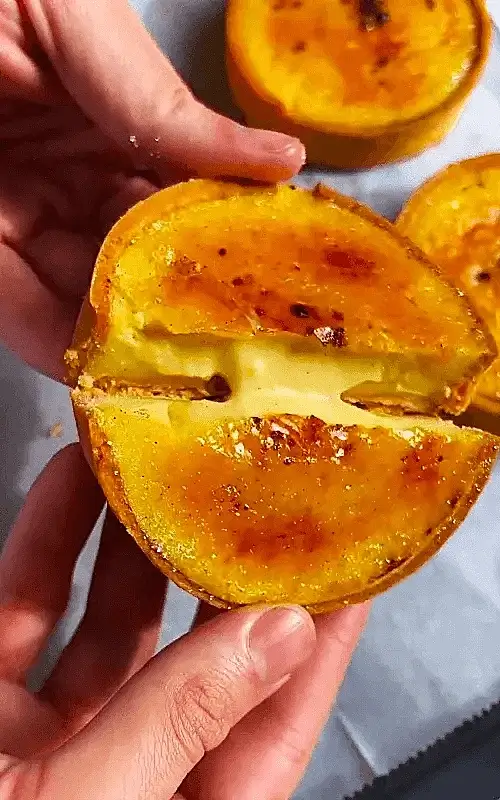
Vanilla Tart with Creme Brulee
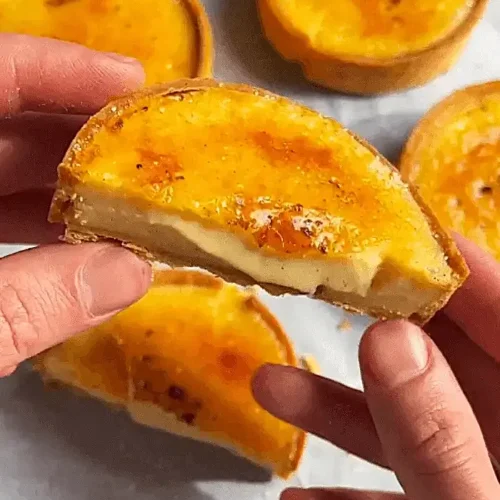
Watch the Full Step-by-Step
- Rolling Pin
- 9-inch/23 cm tart pan
- Mixing bowls
- Kitchen scale
INGREDIENTS
- 1/4 cup/50 grams granulated sugar
Dough:
- 1 1/4 cups/150 grams all-purpose flour
- 3/8 cup/50 grams powdered sugar
- 3 1/2 ounces/100 grams cold unsalted butter, cubed
- 1 large yolk, 50 grams
Filling:
- 1 cup/240 grams heavy cream
- 1 cup/240 grams whole milk
- 5 large yolks, separated/250 grams
- 1/2 cup/100 grams granulated sugar
- 1 tablespoon vanilla extract
- 3/8 cup/50 grams cornstarch
- 2 tablespoons/28 grams unsalted butter, cubed

INSTRUCTIONS
- Make the dough by pulsing the flour, powdered sugar, and cold butter in a stand mixer with the paddle until the mixture resembles coarse crumbs. Add the egg yolk and mix just until the dough comes together. Wrap and chill for at least 1 hour.
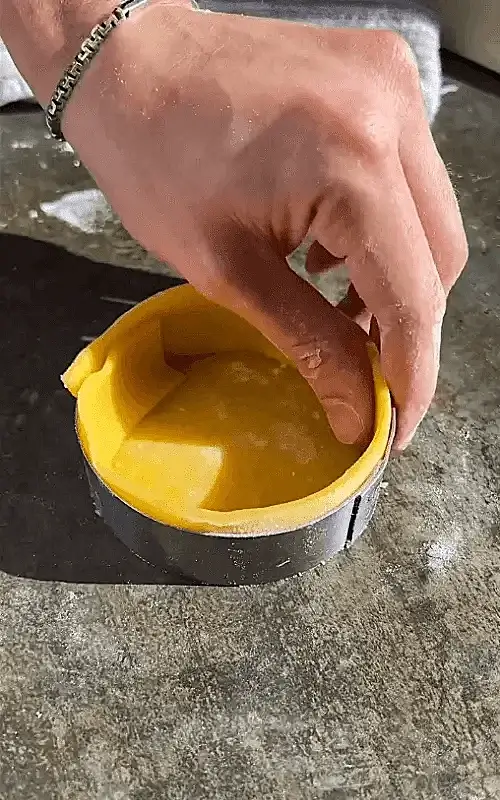
- On a lightly floured surface, roll the dough out to about 1/8 inch/3 mm thick and fit it into a 9-inch/23-cm tart pan, pressing the edges to form a sharp 90° corner. Freeze until firm, about 20–30 minutes.
- Heat the oven to 340°F/170°C.
- Prick the bottom of the tart shell with a fork, line with parchment and pie weights, and bake until pale golden, about 18–22 minutes.
- Remove weights and bake 2–3 minutes more if needed. Let cool slightly.
- Whisk together cream, milk, yolks, sugar, vanilla, cornstarch, and butter until smooth. Cook gently in a saucepan over low heat, stirring constantly, until it just thickens and coats the back of a spoon.
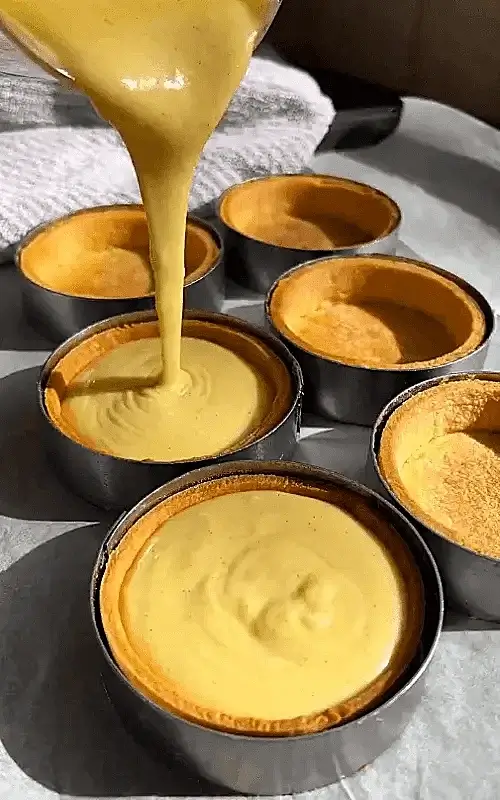
- Lower the oven temperature to 300°F/150°C. Pour the filling into the baked shell and bake until set at the edges but still wobbly in the center, about 12–16 minutes.
- Cool completely, then refrigerate until firm, at least 1–2 hours.
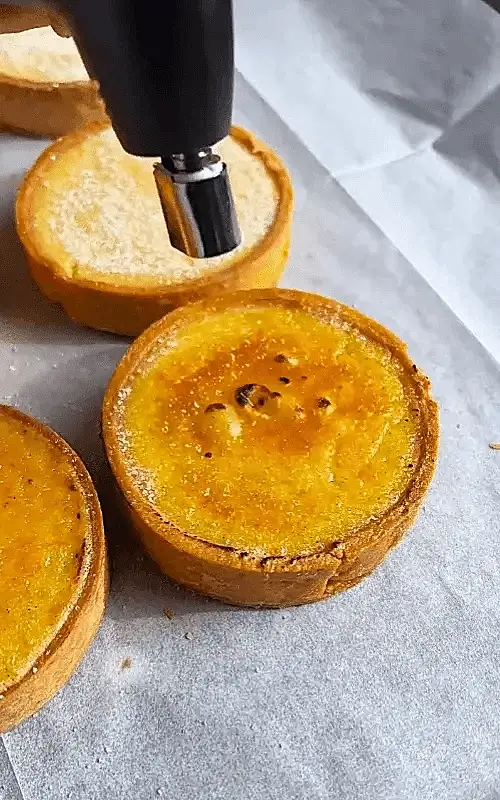
- Before serving, sprinkle sugar evenly over the top and caramelize with a kitchen torch until golden and glassy.
FAQ
How do I prevent the crust from shrinking during baking?
It is important to chill the dough thoroughly before rolling and baking. Use cold butter and avoid overworking the dough, which can develop too much gluten and cause contraction. Press the dough evenly into the pan, ensuring it reaches the corners and edges. Blind-baking with parchment and pie weights helps maintain the shape by keeping the dough flat while the crust sets. Allow the shell to cool slightly before adding the filling.
How do I store leftover vanilla tart?
Leftover vanilla tart should be stored in the refrigerator, covered loosely with plastic wrap or placed in an airtight container to preserve the custard’s texture. Avoid storing at room temperature because the egg-based custard can spoil. The sugar topping should be caramelized just before serving; otherwise, moisture in the fridge may soften it. The tart will maintain optimal texture and flavor for 2–3 days.
Can I make a chocolate or flavored version of this tart?
Melt high-quality dark chocolate into the warm cream mixture before adding the egg yolks and butter. For coffee or caramel flavors, dissolve instant espresso powder or caramel in the cream before combining. Spices like cinnamon or cardamom can also be steeped in the milk and cream to add subtle warmth.
How can I make this tart dairy-free?
Replace the butter in the dough with a cold, solid plant-based butter alternative. Use full-fat coconut milk or oat cream instead of heavy cream and milk for the custard, and ensure any additional butter in the custard is replaced with a plant-based option. Flavor with pure vanilla extract as usual. Keep all other steps the same, including blind-baking and caramelizing the sugar topping.
Can I make the vanilla tart ahead of time?
Bake the tart shell and prepare the custard, then combine and chill the tart for several hours or overnight. Refrigeration allows the custard to fully set, enhancing its texture and making it easier to slice. Caramelize the sugar topping with a kitchen torch just before serving to preserve the crispness.
How do I achieve a smooth custard?
Achieving a smooth custard for the vanilla tart requires careful mixing and gentle cooking. Whisk the eggs, sugar, milk, and cream together until fully combined before heating. Cook the custard over low heat while stirring constantly to prevent curdling. Adding butter at the end helps create a glossy, smooth texture. Avoid boiling, as high heat can cause the mixture to separate. Straining the custard through a fine sieve before filling the tart shell ensures a perfectly silky result in the final vanilla tart.
Can I use a different pan size for this vanilla tart?
Using a smaller pan will result in a deeper tart, requiring slightly longer baking time for the custard to set. A larger pan will produce a shallower tart, which may set faster. Always monitor the edges and center to ensure the custard is fully set but still slightly wobbly in the middle. Using a pan with a removable bottom simplifies serving the vanilla tart and keeps the crust intact.
How can I prevent the caramelized sugar from melting too quickly?
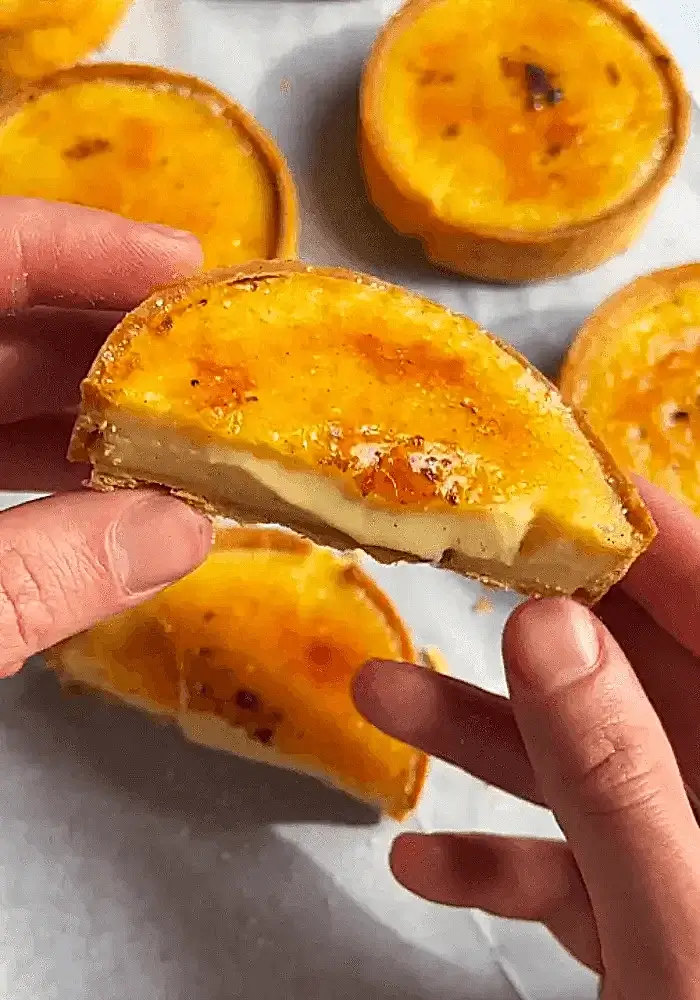
Sprinkle the sugar evenly just before serving and use a kitchen torch to caramelize it in small, controlled sections. Avoid placing the tart in a humid environment, as moisture can soften the sugar crust. Let the custard be fully chilled before caramelizing, because a cold surface helps the sugar set instantly.
Why is my custard slightly wobbly in the center after baking?
It is normal and desired. Custard continues to set as it cools, so the edges will firm up first while the center remains soft. Overbaking can lead to curdling or a grainy texture. The key is to remove the tart from the oven when the edges are fully set but the middle still has a gentle wobble. Cooling completely and refrigerating will allow the center to firm while maintaining a silky, creamy texture typical of a vanilla tart.