Triple Chocolate Cookies
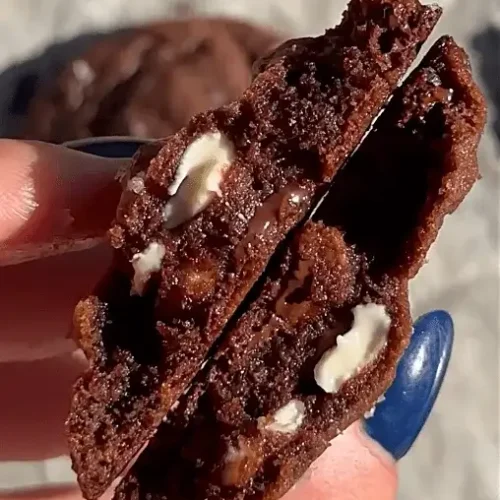
Watch the Full Step-by-Step
- Mixing bowls
- Baking sheets
- Wire rack
- Kitchen scale
INGREDIENTS
- 1½ cups/180 grams all-purpose flour
- ⅓ cup Dutch process cocoa powder, sifted
- 6 ounces/170 grams unsalted butter, softened
- ⅓ cup/60 grams dark brown sugar, packed
- ⅓ cup/70 grams granulated sugar
- 1 teaspoon vanilla extract
- 1 large egg
- ½ teaspoon/2 grams baking soda
- ¼ teaspoon salt
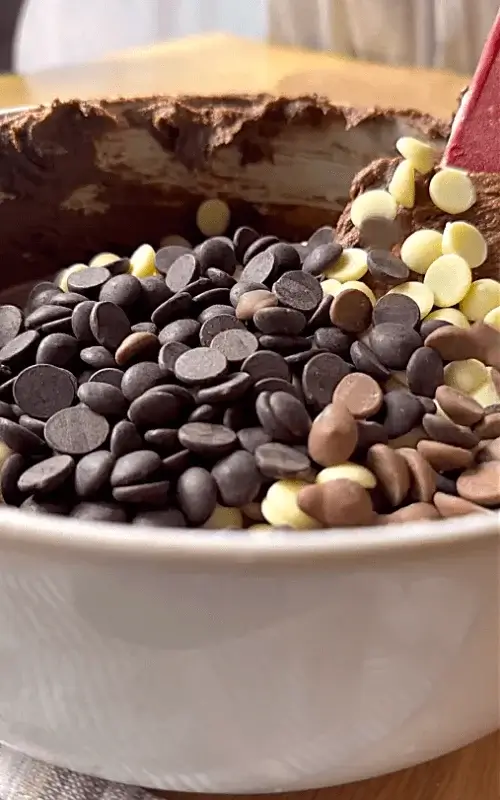
- 1¼ cups/200 grams semisweet chocolate chips or chocolate chunks
- ½ teaspoon flaky sea salt, for finishing

INSTRUCTIONS
- Heat the oven to 350°F/175°C. Line two baking sheets with parchment paper.
- In a mixing bowl, cream the butter with both sugars until smooth and cohesive. Add the egg and vanilla and mix until fully incorporated.
- In a separate bowl, whisk together the flour, cocoa powder, baking soda, and salt. Add to the butter mixture and mix just until a uniform dough forms. Fold in the chocolate.
- Portion the dough into 27 balls and arrange on the prepared sheets. Freeze for at least 1 hour.
- Bake, spacing cookies well apart, until the edges are set and the centers remain soft, 7 to 10 minutes. Sprinkle lightly with flaky salt and let cool completely before serving.
FAQ
Why is freezing the dough important when making triple chocolate cookies?
It is a critical step in achieving the correct structure and texture in triple chocolate cookies. When cookie dough is frozen, the butter solidifies, which slows down spreading once the cookies hit the oven. This controlled spread allows the cookies to set their edges before the centers fully bake, resulting in thicker cookies with a fudgy interior rather than thin, flat results.
Freezing also hydrates the flour more evenly, improving overall dough cohesion and preventing a gritty texture. For triple chocolate cookies, which contain cocoa powder and a high fat content from butter and chocolate, freezing helps balance moisture loss during baking. It also enhances flavor development, as resting time allows sugars to dissolve more completely and cocoa flavors to deepen. Skipping this step often leads to uneven baking, excessive spread, and less defined texture.
How do you achieve soft centers and crisp edges?
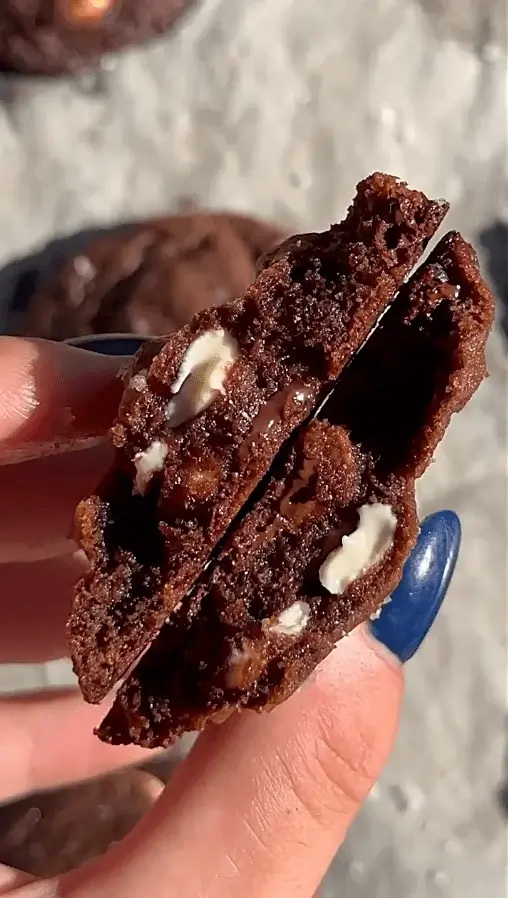
It depends on timing, temperature, and visual cues rather than relying solely on bake time. The cookies should be removed from the oven when the edges appear set and matte, while the centers still look slightly underbaked and soft. Residual heat continues cooking the cookies as they cool on the baking sheet, allowing the centers to finish gently without drying out.
Baking at 350°F ensures even heat distribution, while proper spacing prevents excess steam buildup. The balance of brown sugar and granulated sugar also plays a role, as brown sugar retains moisture while granulated sugar promotes crispness. Cooling completely before handling is essential, as triple chocolate cookies firm up and set their final texture only after resting.
What type of cocoa powder works best for triple chocolate cookies?
Dutch process cocoa powder is the preferred choice for triple chocolate cookies because it is alkalized, reducing acidity and producing a smoother, deeper chocolate flavor. Unlike natural cocoa powder, which is acidic and sharp, Dutch process cocoa integrates more evenly into cookie dough and contributes to a darker color and richer taste.
This matters because triple chocolate cookies rely on layered chocolate flavor from cocoa powder, chocolate chips, and butter rather than sweetness alone. Dutch process cocoa also interacts more predictably with baking soda when other ingredients provide sufficient acidity, ensuring proper rise without bitterness. Using natural cocoa powder can result in a lighter color, harsher flavor, and slightly drier texture. Sifting the cocoa powder is equally important, as cocoa tends to clump and can cause uneven mixing if added directly.
Can the cookies be made ahead and baked later?
Triple chocolate cookies are especially well suited for make-ahead preparation, and in many cases, they benefit from it. Preparing the dough in advance and freezing it stabilizes the butter and allows the flour to fully hydrate, which improves structure during baking. Frozen dough balls can be baked directly from the freezer with no thawing required, making triple chocolate cookies convenient for both home bakers and professional kitchens.
This method ensures consistent thickness and controlled spread, which is particularly important in chocolate-heavy doughs. When stored properly in an airtight container or freezer bag, frozen dough retains quality for up to two months without flavor degradation. Baking from frozen also helps preserve soft centers while allowing the exterior to set evenly. This approach is commonly used in bakery production to maintain uniform results across batches.
How does chocolate choice affect flavor and texture?
It has a direct impact on sweetness, melt, and overall balance. Semisweet chocolate chips or chunks are ideal because they provide enough sweetness to counteract cocoa bitterness without overwhelming the dough. Chips hold their shape during baking, creating defined pockets of chocolate, while chunks melt more irregularly, producing streaks and puddles that enhance texture.
Using milk chocolate increases sweetness and softness but can mute cocoa depth, while dark chocolate intensifies bitterness and firmness. A mix of chips and chunks can add complexity without destabilizing the dough. In triple chocolate cookies, the goal is contrast: solid chocolate structure against a tender, cocoa-rich base. Choosing chocolate with 50–60 percent cacao typically achieves that balance.

What role do different types of sugar play in this recipe?
The balance of sugars is essential to the texture and flavor profile of triple chocolate cookies. Granulated sugar contributes to spread and crispness by liquefying quickly during baking and encouraging caramelization at the edges. Dark brown sugar, which contains molasses, adds moisture, chewiness, and depth of flavor that complements the bitterness of cocoa powder. This combination creates contrast between crisp edges and soft interiors.
In triple chocolate cookies, brown sugar also enhances the perception of chocolate richness without increasing sweetness excessively. Using too much granulated sugar can cause excessive spread and dryness, while relying solely on brown sugar may result in overly thick, dense cookies.
How should triple chocolate cookies be stored?
Once fully cooled, the cookies should be stored in an airtight container at room temperature, where they will maintain optimal quality for up to three days. To preserve soft centers, placing a small piece of parchment between layers prevents moisture loss and sticking. Refrigeration is not recommended, as cold temperatures accelerate staling and cause the cookies to harden.
For longer storage, the cookies can be frozen after baking and cooled, then wrapped tightly to prevent freezer burn. When reheated briefly in a low oven, frozen cookies regain much of their original texture. Alternatively, freezing unbaked dough remains the most effective way to ensure fresh triple chocolate cookies on demand.
What causes the cookies to spread too much during baking?
It is usually the result of butter temperature, sugar balance, or insufficient chilling. Butter that is too soft or partially melted will liquefy too quickly in the oven, causing the dough to flatten before the structure sets. Too much granulated sugar can also increase spread, as it melts rapidly and encourages caramelization.
Skipping the freezing step removes a critical control point, especially in cocoa-heavy doughs that already lack gluten strength. Overmixing can further weaken structure by incorporating excess air and warming the dough. Proper chilling, measured sugar ratios, and controlled mixing ensure that triple chocolate cookies bake up thick with defined edges rather than thin and greasy.