Quick Mini Ricotta Donuts (No-Rise, No-Yeast)
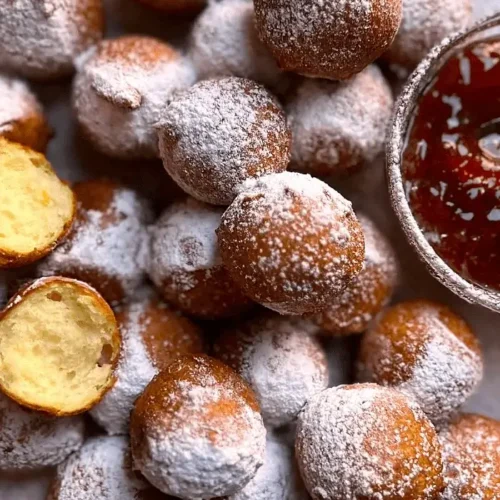
Watch the Full Step-by-Step
- Wide pot
- Thermometer
- Kitchen scale
- Spring-loaded ice cream scoop
INGREDIENTS
- Powdered sugar, to taste
- Strawberry jam, for dipping
- 2 quarts/2 liters oil, for deep frying
Batter:
- 1 cup/140 grams all-purpose flour
- 2 teaspoons/8 grams baking powder
- 1/4 cup/50 grams sugar
- 2 large eggs/100 grams
- 9 ounces/250 grams whole-milk ricotta
- 1 teaspoon grated lemon zest
- 1 teaspoon vanilla extract

INSTRUCTIONS
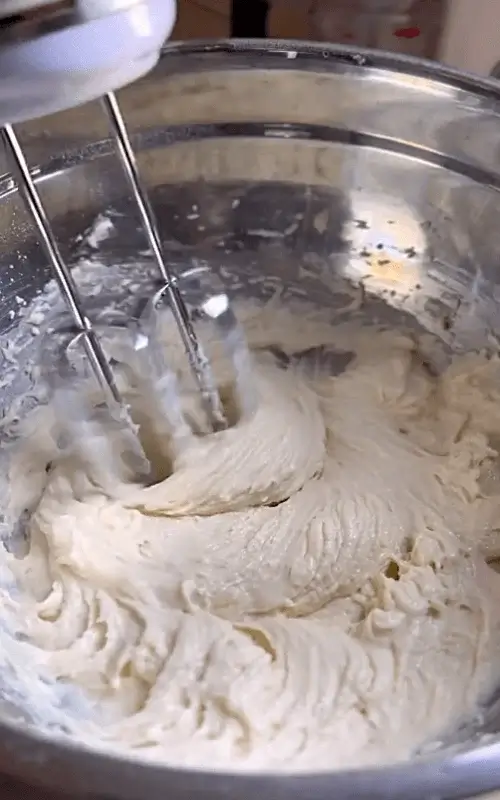
- Mix the flour, baking powder, sugar, eggs, ricotta, lemon zest, and vanilla in a bowl until smooth.
- Heat the oil to 340°F/170°C in a wide pot.
- Lightly oil a spring-loaded ice cream scoop. Drop scoops of batter directly into the hot oil.
- Fry until deeply golden on both sides, 3 to 4 minutes total.
- Transfer to a paper towel-lined plate. Dust with powdered sugar and serve warm with jam or chocolate spread.

Eti Efinger Halperin – @eti_efinger_halperin
FAQ
What is the best oil temperature for frying ricotta donuts?
The ideal oil temperature for frying ricotta donuts is around 340 degrees Fahrenheit, which provides the balance needed to achieve a golden exterior without burning while allowing the interior to cook through. At lower temperatures, the donuts will absorb excess oil, resulting in a greasy texture and a heavier mouthfeel. At higher temperatures, the outer crust will darken too quickly before the inside sets, creating an undercooked center.
Maintaining a consistent temperature is important because ricotta donuts contain a high moisture and dairy content from the ricotta, which affects how the batter expands and browns. Using a deep-fry thermometer or digital thermometer ensures the temperature stays stable throughout frying. Working in small batches prevents drastic temperature drops and produces uniformly cooked donuts. Stirring the oil gently between batches helps distribute heat evenly.
What type of ricotta is best for this recipe?
Whole-milk ricotta is the best choice for ricotta donuts because it provides the optimal moisture and fat ratio needed for a tender interior and consistent frying performance. Low-fat or fat-free ricotta tends to contain more water, which can create a thin batter and result in donuts that absorb too much oil or break apart during frying. Whole-milk ricotta offers enough richness to create structure while still keeping the donuts fluffy.
If the ricotta you purchase is especially wet, briefly draining it in a fine-mesh strainer can improve the texture of the final batter. In North America, commercially available ricotta varies widely in density; some brands are smooth and creamy, while others are firmer and drier. Adjusting the flour slightly—adding a tablespoon more if the ricotta is very loose—can balance the batter.
Eti Efinger Halperin – @eti_efinger_halperin
Why are my donuts turning out dense instead of light and fluffy?
Ricotta donuts can turn dense for several reasons related to batter consistency, oil temperature, and leavening behavior. Overmixing the batter develops gluten, which makes the donuts tough rather than tender. Undermeasuring the baking powder or using expired leavening will prevent proper rise, which is especially important in ricotta donuts because they rely solely on chemical leavening, not yeast. Thick ricotta or excess flour can also result in a stiff batter that does not expand quickly in the hot oil.
Another common issue is frying at too low a temperature; when the oil is below 330 to 340 degrees Fahrenheit, the donuts fail to puff rapidly and instead soak up oil, weighing them down. Dropping batter portions that are too large can cause the outer layer to set before the inside expands. Ensuring a smooth batter, fresh baking powder, correct oil temperature, and consistent scoop size will help achieve the airy, delicate structure expected in ricotta donuts.
Are ricotta donuts still good the next day?
Ricotta donuts are best enjoyed fresh because their texture depends heavily on moisture retention and the delicate balance between the crisp outer shell and the tender interior. As they sit, the ricotta-based crumb absorbs humidity from the environment, softening the crust and diminishing the contrast that makes ricotta donuts appealing. The interior may also become slightly gummy as the starches retrograde and the dairy fats firm up.
While they can be stored in an airtight container for a short period, they will not retain their original texture. If you must serve ricotta donuts later, reheating them briefly in a 300-degree Fahrenheit oven can restore some crispness, but they will never fully mimic their fresh-from-the-oil quality. For optimal results, fry them as close to serving time as possible. This ensures the lightness, aroma, and warmth that define classic ricotta donuts.

Eti Efinger Halperin – @eti_efinger_halperin
Can I bake these ricotta donuts instead?
Baking ricotta donuts is possible, but the results differ noticeably from the traditional fried version. Frying allows the surface of the batter to set immediately through rapid heat transfer, creating the characteristic crisp exterior and evenly puffed interior that ricotta donuts are known for. When baked, the batter heats more slowly, preventing the same type of expansion and browning. The texture becomes closer to a cake bite or muffin-style donut hole.
If you choose to bake them, a higher oven temperature, around 400 degrees Fahrenheit, helps promote browning, but the interior will still be denser than fried ricotta donuts. Using a lightly greased mini muffin tin or piping small rounds onto a parchment-lined sheet ensures even portions. However, most cooks find that the defining qualities of ricotta donuts rely on frying, and therefore baking is best considered an alternative rather than a true substitute.
Why does the recipe call for a spring-loaded ice cream scoop?
A spring-loaded ice cream scoop is recommended because it ensures consistent portion size, which directly affects how ricotta donuts cook. Uniform scoops allow each donut to fry at the same rate, preventing some pieces from overbrowning while others remain undercooked. Ricotta donuts rely on even heat exposure to develop their structure, and similarly sized portions help maintain an ideal ratio of surface area to interior moisture.
The spring mechanism also allows the batter to release cleanly into the oil, reducing the risk of irregular shapes or batter strands that fry unevenly. While the scoop is not strictly necessary—two spoons, a small cookie scoop, or even piping can work—it offers the most reliable control, especially with a loose batter. For cooks making ricotta donuts frequently or for guests, a consistent scoop method ensures appearance, timing, and texture are predictable and repeatable.
Does ricotta require draining or drying before mixing the batter?
Whether the ricotta needs draining depends on its moisture level, which varies widely between brands in North America. Some ricotta is dense and spoonable, while others are soft and contain noticeable liquid. Excess moisture can thin the batter, causing ricotta donuts to spread too much in the oil, brown unevenly, or absorb unnecessary oil. If the ricotta appears wet on the surface or pools liquid at the bottom of the container, draining it in a fine-mesh strainer for 10 to 30 minutes improves the final texture.
Drier ricotta leads to a batter that holds its shape better and cooks more evenly. However, over-draining can make the batter too stiff, weakening the tender crumb that ricotta donuts are meant to have. The goal is a balanced consistency: smooth and thick, but not runny. Adjusting flour by a tablespoon or two may also be helpful when working with very loose ricotta.

Eti Efinger Halperin – @eti_efinger_halperin