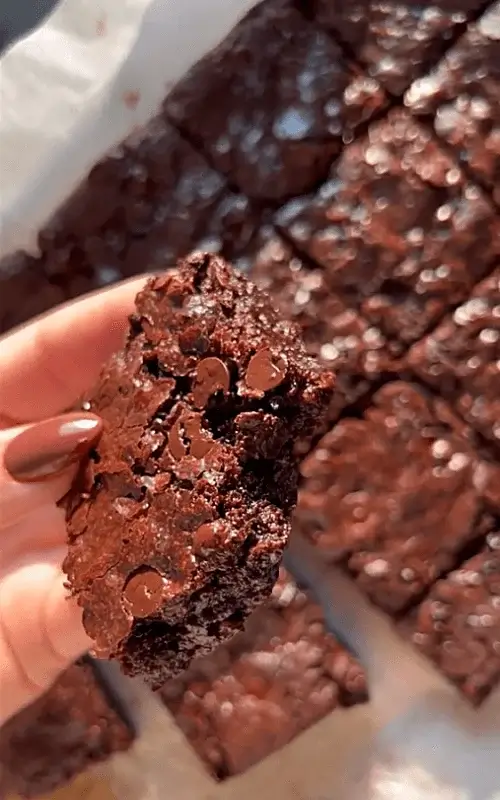
Gluten Free Dairy Free Brownies
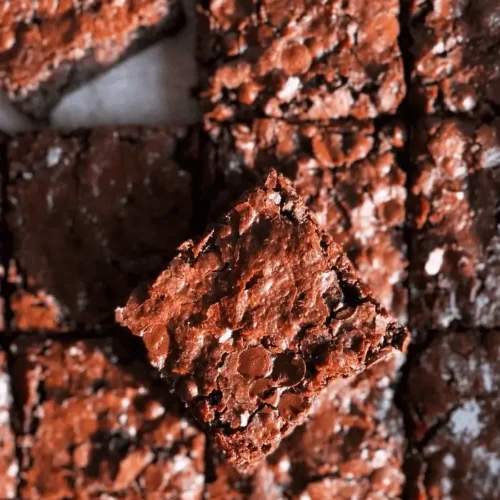
Watch the Full Step-by-Step
- 8×8-inch (20×20 cm) baking pan
- Food processor
- Heatproof mixing bowl
- Kitchen scale
INGREDIENTS
- 7 ounces/200 grams dairy-free dark chocolate
- 1 cup/200 grams sugar
- ⅓ cup/80 milliliters oil
- 1 cup/240 milliliters oat milk
- 1¼ cups/120 grams rolled oats
- 2 tablespoons tahini
- ¼ cup unsweetened cocoa powder
- ¼ teaspoon salt
- 3.5 ounces/100 grams dairy-free chocolate chips

INSTRUCTIONS
- Heat the oven to 350°F/175°C. Line a 20×20 cm (8×8-inch) pan with parchment paper.
- Grind the oats in a food processor until a fine flour forms. Set aside.
- Combine the dark chocolate and oil in a heatproof bowl. Microwave in 30-second intervals, stirring between each, until fully melted and smooth.
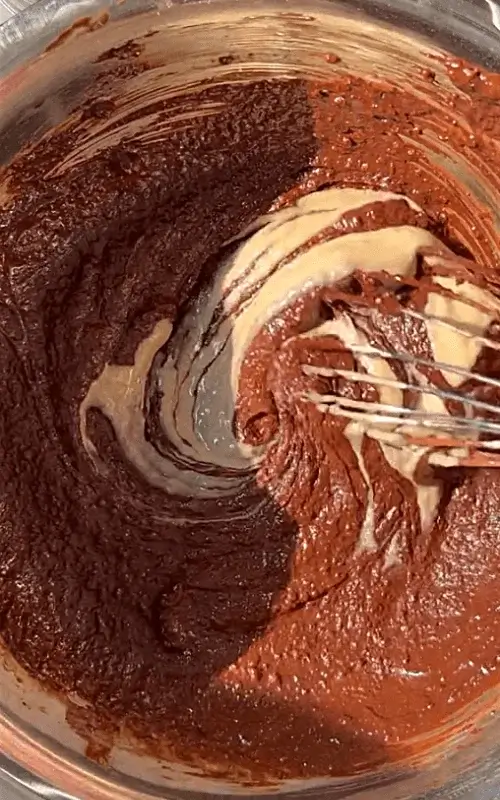
- Whisk in the sugar and almond milk until glossy. Add the ground oats, cocoa powder, tahini, and salt, and whisk until smooth and fully combined.
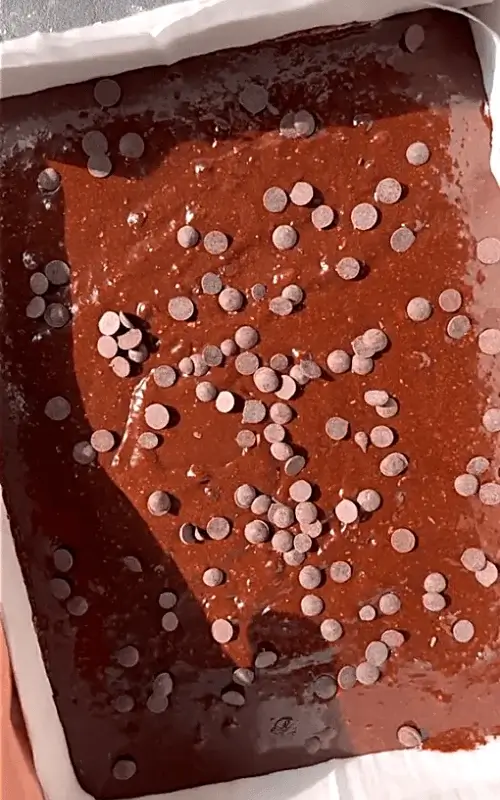
- Fold in the chocolate chips. Scrape the batter into the prepared pan and smooth the surface evenly.
- Bake for about 35 minutes, until the center is just set and a toothpick inserted comes out with moist crumbs.
- Cool completely, then refrigerate for at least 4 hours before slicing. Store in an airtight container at room temperature for up to 7 days.
FAQ
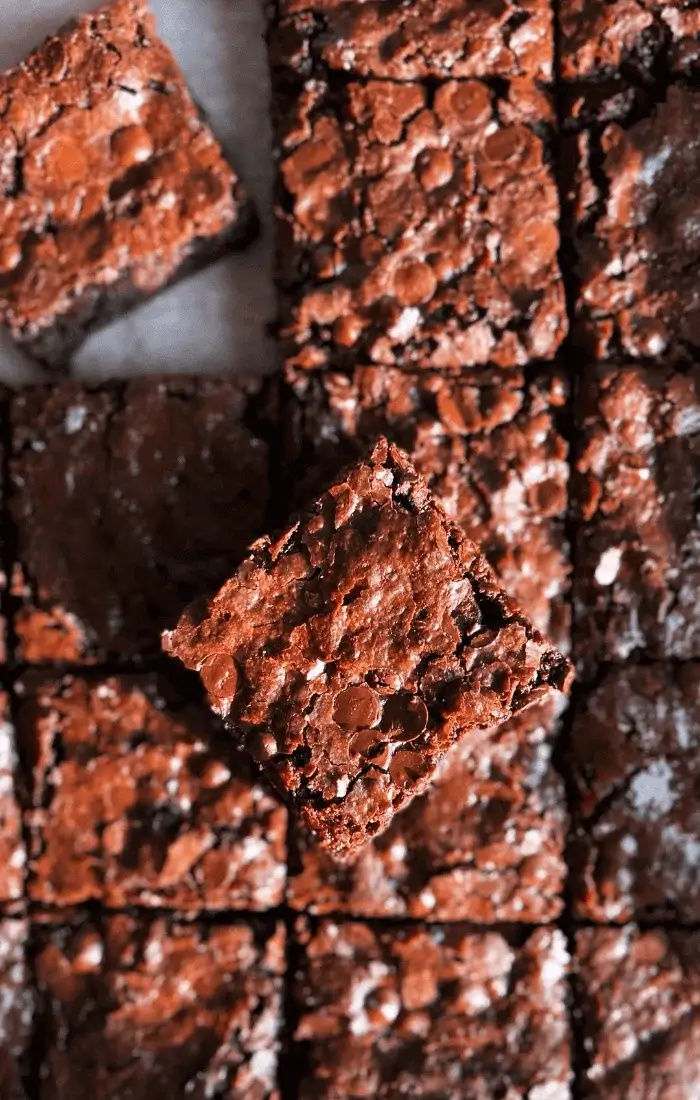
What makes these gluten free dairy free brownies fudgy instead of cakey?
The fudgy texture in gluten free dairy free brownies comes from the balance of fat, liquid, and the absence of traditional leavening agents. This recipe relies on melted dark chocolate, oil, and tahini rather than butter or eggs, which creates a dense, moist structure. Oil stays liquid at room temperature, unlike butter, helping the brownies retain softness even after cooling.
Ground oats act as a gentle binder rather than a structural flour, preventing excessive gluten-free dryness or crumbliness. The relatively low baking temperature and moderate bake time also play a role, ensuring the center sets without drying out. Finally, chilling allows the cocoa butter in the chocolate to resolidify, locking in a rich, fudgy consistency that defines well-made gluten free dairy free brownies rather than a light or cake-like crumb.
Can rolled oats be substituted with another gluten free flour?
The oats can be replaced in gluten free dairy free brownies, but the results will vary depending on the flour used. Oats provide both structure and moisture retention when ground into a flour, which is why they work especially well here. Almond flour will produce a richer, denser brownie with a slightly oily mouthfeel, while rice flour may lead to a drier texture unless additional liquid is added.
Certified gluten-free oat flour can be used as a direct substitute if available, offering the most consistent results. Coconut flour is not recommended without significant recipe adjustments, as it absorbs far more liquid. Any substitution should be measured by weight rather than volume to preserve balance, which is critical in gluten free dairy free brownies.
Why do the brownies need to chill before slicing?
When freshly baked, the brownies are still structurally loose because the melted chocolate and oil have not fully set. Refrigeration allows the fats to firm up, stabilizing the crumb and preventing the brownies from falling apart. This resting period also improves flavor, as cocoa and chocolate notes deepen once fully cooled.
Gluten-free batters lack the elasticity of wheat-based recipes, making time an important structural component. Cutting too early can compress the interior and create a gummy texture. A minimum four-hour chill ensures the brownies slice cleanly, hold their shape, and deliver the dense, fudgy bite expected from high-quality gluten free dairy free brownies.
How should gluten free dairy free brownies be stored
Once fully cooled and chilled, the brownies should be stored in an airtight container to prevent moisture loss and exposure to air, which can cause dryness. At room temperature, they will keep well for up to seven days, provided the environment is cool and not humid. Refrigeration is optional but can slightly firm the texture, which some people prefer, especially in warmer climates.
If refrigerated, allow the brownies to sit at room temperature for 15 to 20 minutes before serving to restore softness. Avoid loosely covering the brownies, as gluten free dairy free brownies are more prone to drying out than wheat-based versions due to their delicate crumb structure.
Can tahini be substituted without affecting texture?
Tahini contributes both fat and moisture to gluten free dairy free brownies, helping maintain a dense, fudgy crumb. Substituting it is possible, but the replacement must provide similar fat content and consistency. Nut butters such as almond or cashew butter can be used in roughly equal weight, though flavor will change slightly.
Sunflower seed butter is another alternative for nut-free diets. Using liquid oils alone may work but can result in slightly less cohesive texture. Tahini also adds a subtle earthy undertone that balances the sweetness, so replacements will modify the flavor profile. Maintaining the correct ratio of fat to dry ingredients is crucial for preserving the signature fudgy structure of gluten free dairy free brownies.
Can gluten free dairy free brownies be frozen?
These brownies freeze exceptionally well when handled correctly. For best results, allow the brownies to chill fully and slice them before freezing. Wrap each piece tightly in plastic wrap, then place the wrapped brownies in a freezer-safe container or resealable freezer bag to protect them from freezer burn. This method preserves both moisture and flavor.
Frozen brownies can be stored for up to three months without significant texture loss. To serve, thaw individual pieces at room temperature for about 30 to 45 minutes. Avoid microwaving to thaw, as rapid heat can cause uneven texture or dryness. Freezing is especially useful for gluten free dairy free brownies because it helps lock in their fudgy consistency over time.
What is the best chocolate to use for rich, fudgy texture?
Choose a high-quality dairy-free dark chocolate with at least 60 to 70 percent cocoa. The cocoa solids provide depth of flavor and structure, while the fat content ensures a moist, dense texture. Avoid low-quality chocolate chips or baking chocolate with added vegetable oils, as these can affect melting and result in a grainy or greasy texture.
If using a bar, chop it finely so it melts evenly with the oil. Vegan or dairy-free labeled chocolate is essential, as traditional chocolate may contain milk solids. The chocolate is the backbone of gluten free dairy free brownies, giving them the characteristic fudgy, rich taste that distinguishes them from standard brownies.