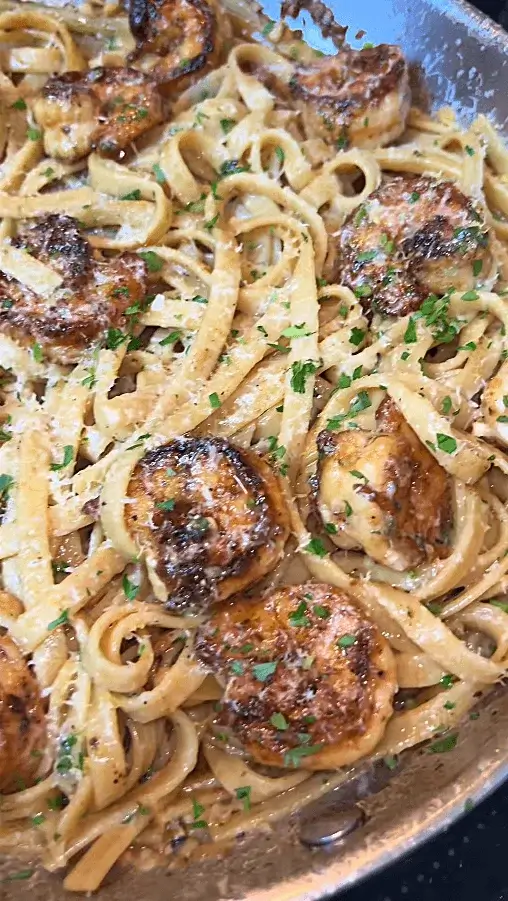
25-Minute Garlic Butter Shrimp Scampi
Watch the Full Step-by-Step
- Large pot
- Colander
- Large skillet
- Microplane
INGREDIENTS
- 12 ounces/340 grams fettuccine
- 1.1 pound/500 grams large shrimp, peeled and deveined
- 1 teaspoon salt
- ½ teaspoon black pepper
- ½ teaspoon garlic powder
- ½ teaspoon paprika
- 2 tablespoons olive oil
- 4 tablespoons unsalted butter, cold and cubed
- 5 garlic cloves, finely minced
- ½ cup dry white wine
- ¾ –1 cup reserved pasta water
- ½ cup Parmesan, plus more for finishing
- 2 tablespoons parsley, chopped
- Zest and juice of 1 lemon

INSTRUCTIONS
- Bring a large pot of salted water to a boil. Cook the fettuccine until al dente. Reserve 1 cup pasta water, then drain.
- In a bowl, toss the shrimp with the salt, pepper, garlic powder, paprika, and 1 tablespoon olive oil.
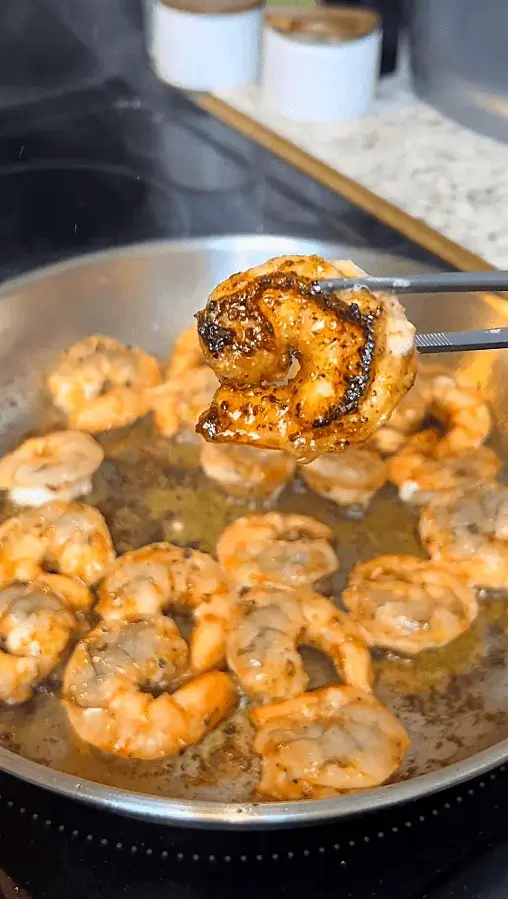
- Heat a large skillet over medium-high. Add the remaining 1 tablespoon olive oil and 1 ounce butter. Sear the shrimp until just opaque and lightly golden, about 2 minutes per side. Transfer to a plate.
- Reduce heat to medium. Add the garlic and cook until fragrant, about 30 seconds. Add the wine and simmer until slightly reduced, scraping up any browned bits.
- Add the pasta and ¾ cup reserved pasta water. Add the remaining butter and toss continuously until the sauce emulsifies and coats the noodles, adding more pasta water as needed.
- Off heat, add the Parmesan and parsley and toss until glossy. Return the shrimp with any juices, then add the lemon zest and juice. Taste and adjust seasoning.
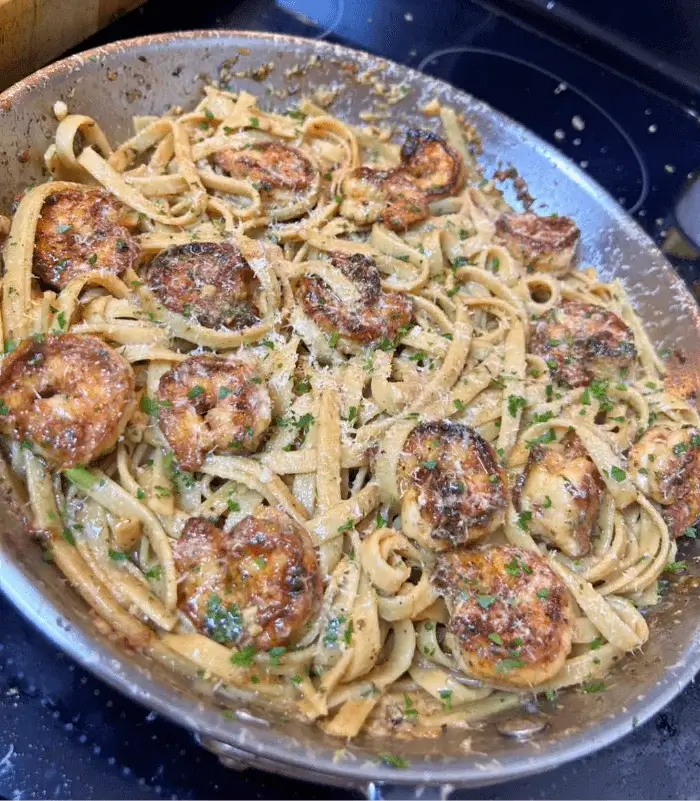
- Serve immediately, finished with more Parmesan and parsley.
FAQ
What type of pasta works best for garlic butter shrimp scampi?
Garlic butter shrimp scampi is traditionally paired with long, flat pasta shapes like fettuccine because they provide maximum surface area for the emulsified sauce to cling to. The starch released during cooking helps bind the butter, wine, and pasta water into a cohesive coating, which is critical for this style of dish. Linguine is another excellent option, offering a slightly lighter bite while still capturing the sauce effectively. Spaghetti can also work, though it is thinner and may not hold the sauce as well.
Short pasta shapes such as penne or rigatoni are less ideal for garlic butter shrimp scampi because the sauce is not thick or chunky enough to fill and cling to their ridges. If using alternative pasta types, ensure they are cooked to true al dente texture, as overcooked pasta will break down when tossed in the pan, weakening the final structure of the dish.
How do you prevent shrimp from becoming rubbery?
Preventing rubbery shrimp in garlic butter shrimp scampi comes down to precise heat control and timing. Shrimp cook extremely quickly due to their low connective tissue and high protein content. When exposed to heat for too long, the proteins tighten excessively, causing a firm, rubbery texture. The correct approach is to sear shrimp over medium-high heat for approximately 2 minutes per side, just until they turn opaque and develop slight golden edges.
Removing the shrimp from the pan immediately after searing is essential. They should only be reintroduced at the very end of the cooking process, off heat, to gently warm through in the sauce. Residual heat from the pasta and sauce is sufficient to finish cooking without overexposure. Additionally, using large shrimp rather than small ones provides a slightly larger margin for error, as they retain moisture better during high-heat cooking.
Why is pasta water important in garlic butter shrimp scampi?
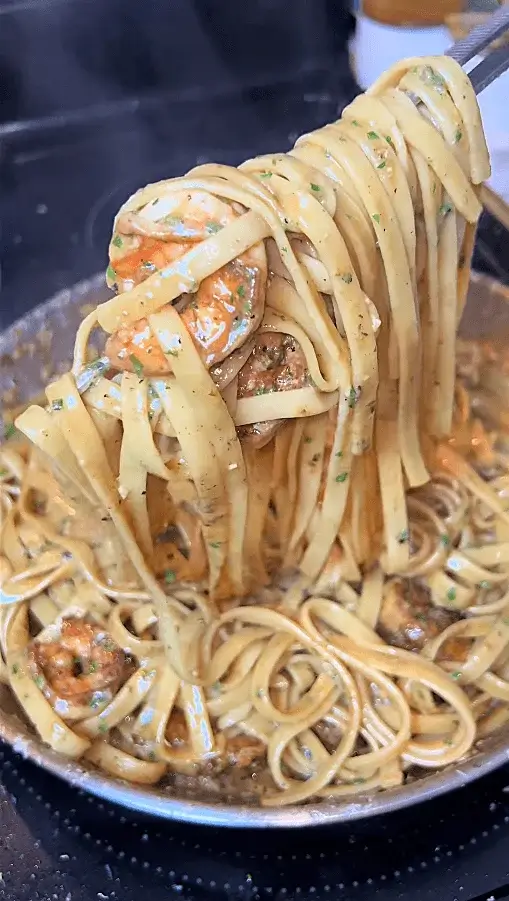
Pasta water plays a critical role in garlic butter shrimp scampi because it acts as the primary emulsifying agent for the sauce. During pasta cooking, starch is released into the water, creating a slightly viscous liquid that helps bind fat and liquid together. When combined with butter and olive oil, this starch allows the sauce to transform from separated components into a smooth, glossy coating that adheres to the pasta.
Without pasta water, the sauce in garlic butter shrimp scampi would remain oily and thin, lacking cohesion. The starch molecules stabilize the emulsion by dispersing fat evenly throughout the liquid phase. Adding the water gradually while tossing ensures proper consistency control. Too little results in a tight, greasy sauce, while too much dilutes flavor.
Can you make garlic butter shrimp scampi without wine?
Garlic butter shrimp scampi can be made without wine, but the substitution must replicate both acidity and depth of flavor. White wine contributes not only liquid but also brightness and mild acidity that balances the richness of butter. Without it, the dish can become overly heavy. A common substitute is a combination of chicken stock and fresh lemon juice, which provides both body and acidity while maintaining the structure of the sauce.
When replacing wine in garlic butter shrimp scampi, use approximately equal parts stock and a small amount of lemon juice to avoid overpowering the dish. The stock supplies savory depth, while the lemon compensates for the missing acidity. It is important to simmer the substitute briefly to concentrate flavors before adding pasta.
How do you know when the sauce is properly emulsified?
A properly emulsified sauce in garlic butter shrimp scampi is identified by its glossy appearance and uniform consistency. Instead of visible oil pooling separately, the sauce should cling evenly to the pasta, forming a thin, silky coating. This occurs when butter, olive oil, and pasta water are combined at the correct temperature and agitated through continuous tossing, allowing fat and water molecules to bind together.
Temperature control is essential during emulsification. The pan should not be excessively hot when butter is added, as high heat can cause the emulsion to break. Instead, the butter should melt gradually into the pasta water while being agitated. Visual cues include a slightly thickened texture and the absence of greasy separation at the bottom of the pan.
What size shrimp is best for garlic butter shrimp scampi?
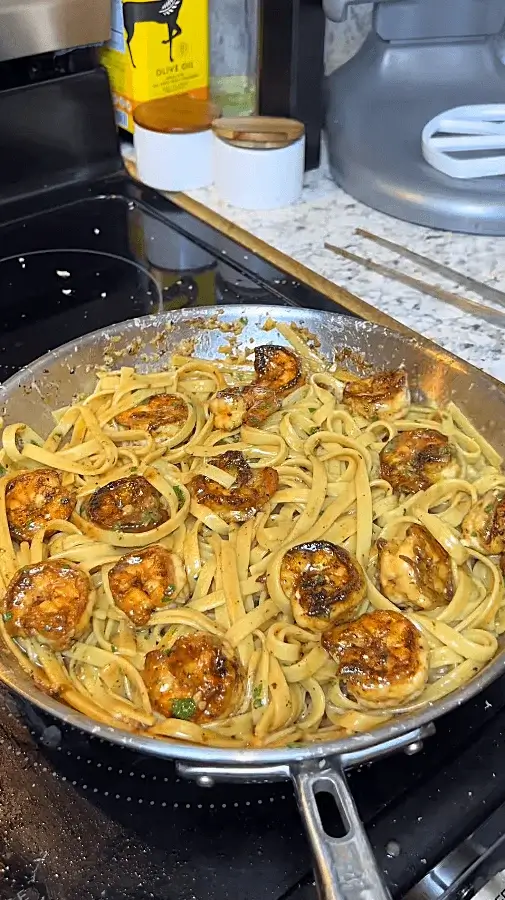
Large shrimp, typically labeled as 16–20 or 21–25 count per pound, are the most effective choice for garlic butter shrimp scampi. These sizes provide enough surface area to develop a proper sear while retaining internal moisture. Smaller shrimp cook too quickly and are more prone to overcooking, which leads to a rubbery texture and less visual appeal. Larger shrimp also hold up better when tossed with pasta and sauce, maintaining structural integrity instead of breaking apart.
Using uniformly sized shrimp ensures even cooking, which is critical when working with high heat. If shrimp vary in size, some will overcook while others remain underdone. Tail-on shrimp can add visual appeal and slight flavor, but tail-off shrimp are easier to eat in a pasta dish. Fresh or properly thawed frozen shrimp should be patted dry before seasoning to promote better browning.
Can you use pre-cooked shrimp for garlic butter shrimp scampi?
Pre-cooked shrimp are not recommended for garlic butter shrimp scampi because they significantly increase the risk of overcooking. Since they have already been cooked once, reheating them in a hot pan causes the proteins to tighten further, resulting in a tough, rubbery texture. Additionally, pre-cooked shrimp do not develop the same seared flavor that raw shrimp achieve when cooked properly in oil and butter.
If pre-cooked shrimp must be used, they should only be added at the very end of the process, off heat, and gently warmed through in the sauce. This minimizes additional cooking time and helps preserve some tenderness. However, the overall depth of flavor will still be reduced compared to using raw shrimp.
How do you balance acidity in garlic butter shrimp scampi?
Acidity in garlic butter shrimp scampi is primarily introduced through white wine and lemon juice, both of which serve to counterbalance the richness of butter and oil. The wine provides a subtle acidity during the cooking process, while the lemon juice adds a brighter, more immediate finish at the end. Proper balance prevents the dish from tasting overly heavy or flat.
The key is controlled application. Wine should be reduced slightly to concentrate flavor without overwhelming the dish, while lemon juice should be added gradually and tasted before adding more. Excess acidity can make the sauce sharp and mask the natural sweetness of the shrimp. Lemon zest also contributes aromatic brightness without increasing acidity significantly.