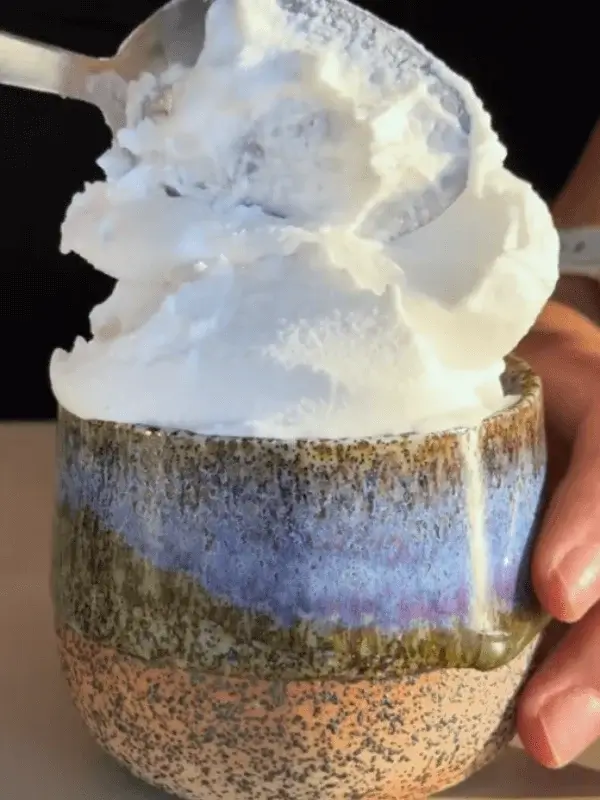
2-Ingredient Dairy Free Coconut Ice Cream
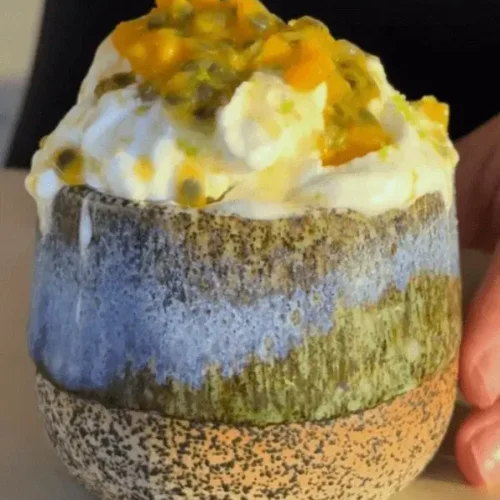
Watch the Full Step-by-Step
- Ice cube tray
- Small saucepan
- Food processor
INGREDIENTS
- 2 cups full-fat coconut cream
- ⅓ cup sugar water, equal parts sugar and water, dissolved or maple syrup, to taste
Toppings (optional):
- ½ cup ripe mango, diced
- 2 tablespoons passion fruit pulp
- 1 teaspoon finely grated lime zest

INSTRUCTIONS
- In a small saucepan, combine equal parts sugar and water. Set over medium heat and stir just until the sugar dissolves completely. Let cool to room temperature. (If using maple syrup, skip this step.)
- In a mixing bowl, whisk together the coconut cream and sugar water (or maple syrup) until smooth and fully blended. Taste and adjust the sweetness if needed.
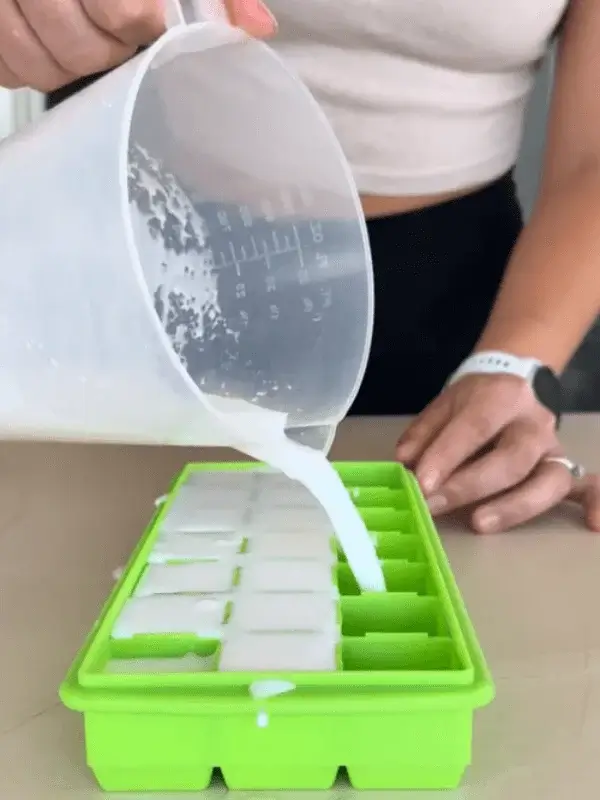
- Pour the mixture into an ice cube tray and freeze for 4 to 5 hours, or until the cubes are completely solid.
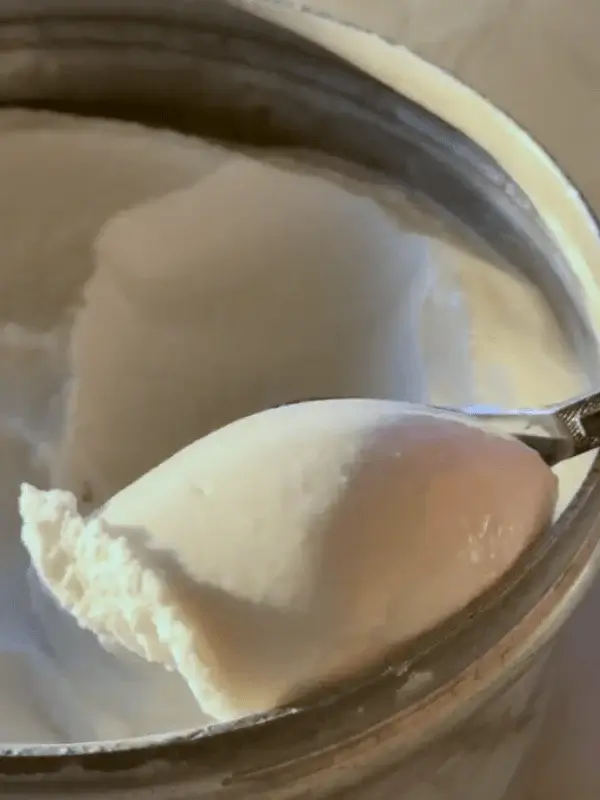
- Transfer the frozen cubes to a high-speed blender or food processor. Blend until smooth and creamy, stopping to scrape down the sides if necessary. If the mixture is too firm, let it sit at room temperature for 5 to 10 minutes before blending.
- Spoon the ice cream into bowls and top with mango, passion fruit, and lime zest, if using. Serve immediately, or transfer to a freezer-safe container and freeze. Let soften at room temperature for 15 to 20 minutes before serving.

FAQ
How can I sweeten the ice cream without refined sugar?
You can use natural alternatives such as maple syrup, agave nectar, date syrup, or even blended Medjool dates. Maple syrup works especially well because it dissolves easily and complements the coconut flavor without overpowering it. When using thicker sweeteners like date syrup, ensure they are fully blended with the coconut cream to avoid uneven sweetness or clumping. Keep in mind that the consistency of the ice cream may slightly change depending on the type of sweetener used, but the final texture will still be creamy and scoopable.
Why is my dairy free coconut ice cream too soft or too hard?
It could be due to a high ratio of sweetener or insufficient freezing time. On the other hand, if it’s too hard, the mixture may have too little fat or too much water, often the case when using coconut milk instead of cream. For a balanced texture, use full-fat coconut cream and follow the recommended freezing time. Letting the ice cream sit at room temperature for 15 to 20 minutes before scooping helps achieve the ideal consistency. Store it in a shallow container for easier thawing.
Can I use coconut milk instead of coconut cream?
You can technically use coconut milk instead of coconut cream to make dairy free coconut ice cream, but the texture will be noticeably different. Coconut cream has a much higher fat content, which gives the ice cream its rich, creamy consistency. Using coconut milk, which is thinner and contains more water, can lead to a final product that is more icy and less smooth. If coconut milk is your only option, try chilling a can and using only the solidified top layer, which is the closest substitute for cream. Avoid using light coconut milk for this recipe.
What can I use if I don’t have an ice cube tray?
You can freeze the dairy free coconut ice cream mixture in a shallow freezer-safe container or baking dish. Once frozen, use a sturdy spoon or butter knife to break the block into chunks small enough to fit into a blender or food processor. Alternatively, pour the mixture into silicone muffin molds or small cups lined with plastic wrap for easy removal. The goal is to freeze the mixture in a way that allows it to be processed evenly into a smooth, creamy texture without requiring an ice cream machine.
How do I prevent the ice cream from becoming icy after freezing?
It’s essential to use full-fat coconut cream and avoid adding too much liquid sweetener. The high fat content helps create a creamy texture, while excess water can lead to ice crystals. Blend the frozen cubes thoroughly until completely smooth, then store the ice cream in an airtight container to minimize moisture exposure. Pressing a piece of parchment paper or plastic wrap directly onto the surface of the ice cream before sealing the container can also help maintain a soft, scoopable consistency.
Can I add other flavors to this dairy free coconut ice cream?
Popular additions include vanilla extract, cocoa powder, matcha, instant espresso, cardamom, or fruit purées like mango or strawberry. For a chocolate version, blend in melted dairy-free chocolate or unsweetened cocoa powder with the coconut cream before freezing. If adding solid mix-ins like chocolate chips, toasted coconut, or crushed nuts, stir them in after blending the frozen cubes and before refreezing the ice cream. Always ensure added ingredients are compatible with freezing and won’t introduce excess water that could cause iciness.
How long can dairy free coconut ice cream be stored in the freezer?
This ice cream can be stored in the freezer for up to 2 weeks for best texture and flavor. After that, it may begin to form ice crystals or lose its creamy consistency. To extend its shelf life, store the ice cream in an airtight, freezer-safe container and press a piece of parchment paper or plastic wrap directly on the surface to reduce exposure to air. Label the container with the date you made it so you can keep track. Let it soften slightly at room temperature before scooping and serving.
Can I make the ice cream without a food processor?
It is possible to make dairy free coconut ice cream without a blender or food processor, but the texture will not be as smooth. One alternative is to freeze the mixture in a shallow pan and stir vigorously with a fork every 30 to 45 minutes for several hours to break up ice crystals. This manual churning method mimics traditional ice cream making but requires more effort and attention. While the final result may be less creamy than blended versions, it still yields a pleasant, scoopable dessert if done carefully and consistently.