Dairy & Gluten Free Lemon Pie

Watch the Full Step-by-Step
- 8-inch/20 cm round pan
- Mixing bowls
- Kitchen scale
- Immersion blender
INGREDIENTS
Crust:
- 1 1/2 cups/150 grams almond flour
- 2 teaspoons/9 grams coconut oil, softened
- 2 tablespoons/40 grams honey or maple syrup
Filling:
- 1/2 cup/120 milliliters lemon juice
- 1 teaspoon lemon zest
- 1/4 cup/85 grams honey or maple syrup
- 1 large egg/50 grams plus 1 large egg yolk/18 grams
- 1/2 cup/120 grams full-fat coconut cream, thick part only
- 1 ounce/30 grams almond butter
- A pinch of salt
- A few drops of vanilla extract, optional
Glaze:
- 1 teaspoon lemon juice
- 1 teaspoon lemon zest
- 1 ounce/30 grams almond butter
- 1 tablespoon/20 grams honey

INSTRUCTIONS
- Heat the oven to 350°F/175°C.
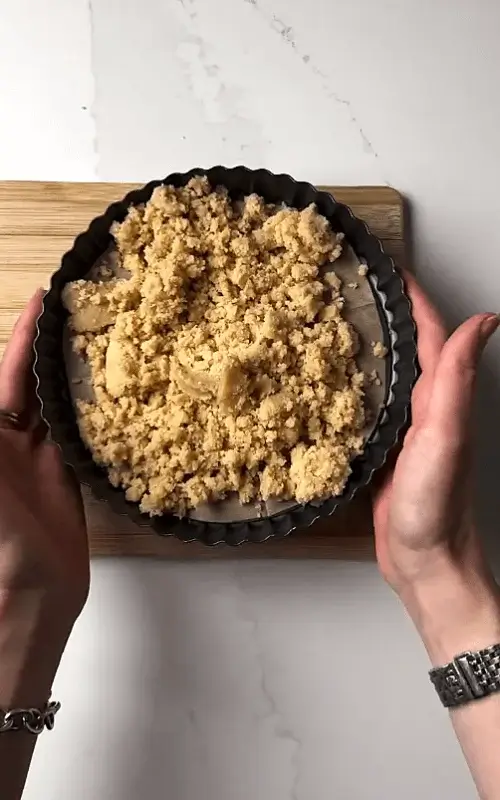
- Mix almond flour, coconut oil, and honey or maple syrup until crumbly. Press firmly into the bottom of a 20 cm/8-inch pan. Bake until the edges are golden, 10–12 minutes. Cool completely.
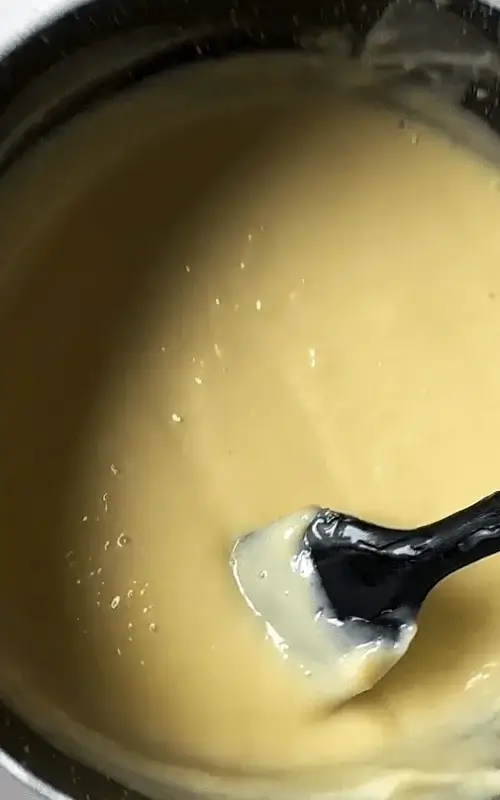
- Combine filling ingredients in a heatproof bowl. Set over a saucepan of simmering water, whisking constantly, until thickened, 7–10 minutes. If lumpy, blend with an immersion blender. Pour over the crust and smooth the top. Chill until set, at least 4 hours.
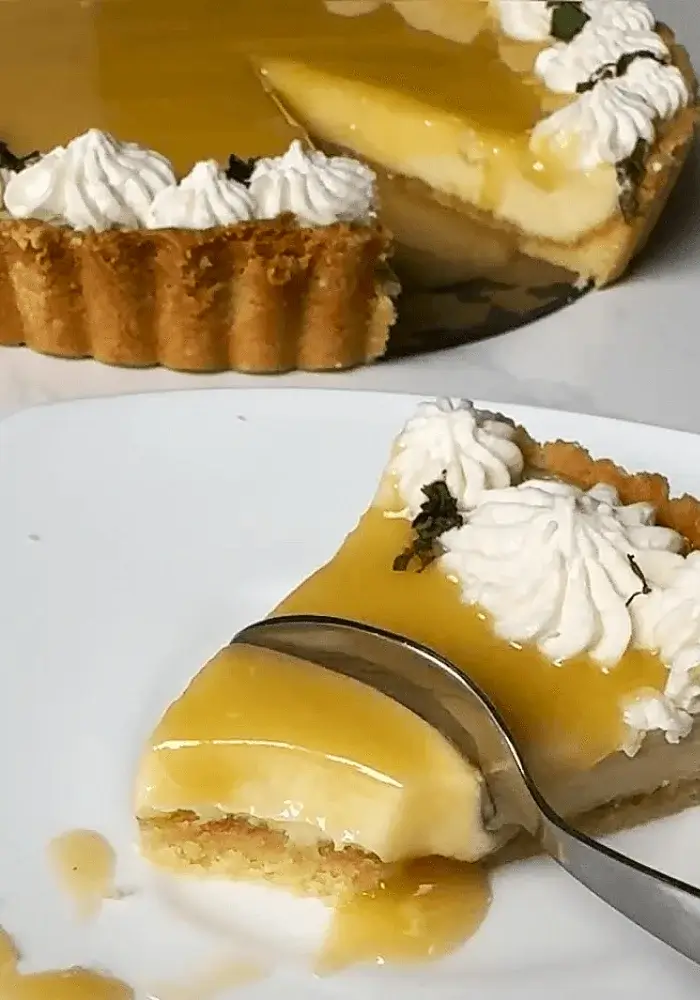
- Stir the glaze ingredients until smooth. Spread gently over the chilled pie. Slice and serve cold.
FAQ
How can I make this gluten free lemon pie vegan?
You’ll need to replace the eggs in the filling. A common option is cornstarch or arrowroot starch, whisked with a little water, which thickens when heated and mimics the custard-like texture. Aquafaba, the liquid from canned chickpeas, can also be used as an egg substitute, especially for binding. Another option is a commercial vegan egg replacer, which is designed to provide structure in baked goods. To keep the pie fully vegan, make sure to choose maple syrup instead of honey.
How can I ensure the filling sets properly?
Careful cooking and cooling are key. When whisking the filling over a bain-marie, the mixture must reach a custard-like thickness, which usually takes 7 to 10 minutes. Constant whisking prevents curdling. If lumps form, blending with an immersion blender smooths the texture. After pouring the filling into the crust, refrigerate the pie for at least 4 hours, though overnight is even better. The coconut cream provides body, while the egg or starch thickener holds structure once chilled. Skipping chilling time will leave the filling too soft.
Can I freeze this gluten free lemon pie?
Gluten free lemon pie can be frozen, but the texture may change slightly. To do it properly, allow the pie to set fully in the refrigerator before freezing. Wrap tightly with plastic wrap, then cover with aluminum foil to prevent freezer burn. Freeze for up to one month. When ready to serve, thaw overnight in the refrigerator. Freezing is best for the crust and filling, but the glaze layer may not hold its shine as well after defrosting. For best presentation, consider freezing without the glaze and adding it fresh after thawing.
What can I substitute for almond flour?
Finely ground sunflower seed flour or cashew flour work as close substitutes in flavor and fat content. Coconut flour can also be used, but because it is more absorbent, it should be combined with oat flour or another gluten free flour to achieve the right texture. Store-bought gluten free flour blends are another option, though they may produce a firmer crust. Adjusting moisture with a little extra coconut oil or syrup will help maintain the crumbly crust consistency.
How long does the pie keep in the refrigerator?
About 3 to 4 days. Store it in an airtight container or cover the pie tightly with plastic wrap to prevent the filling from absorbing refrigerator odors. The crust may soften slightly over time due to the moisture from the lemon cream filling, but the flavor remains fresh. For best results, prepare the glaze just before serving if you plan to keep the pie longer than a day, as this preserves the topping’s brightness. Serving chilled straight from the refrigerator keeps the texture firm and refreshing.
Can I make this gluten free lemon pie without coconut cream?
Cashew cream is a good substitute, made by soaking cashews in hot water and blending until smooth. Oat cream or soy cream also provide a neutral base that thickens when combined with eggs or starch. If you are not dairy free, heavy cream can be used instead, though the recipe would no longer be dairy free. The goal is to maintain richness and body so the filling sets properly after chilling.
How do I prevent the crust from becoming soggy?
Bake the crust fully before adding the filling, making sure the edges are golden and firm. Cooling the crust completely before pouring in the lemon cream also helps. For extra protection, you can brush the cooled crust with a thin layer of melted coconut oil or dark chocolate, which acts as a barrier against moisture. Chilling the pie thoroughly before slicing also prevents the filling from seeping into the crust.