Pesto Cheese Brioche Buns
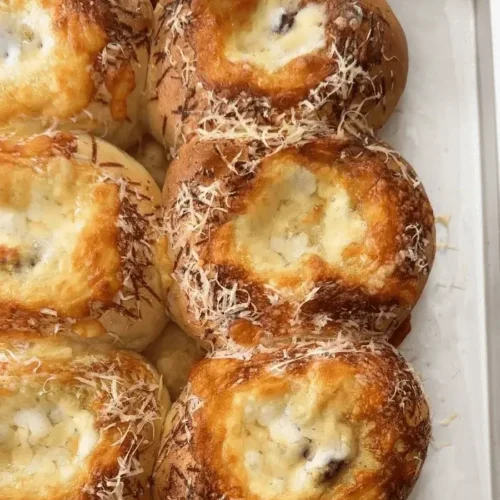
Watch the Full Step-by-Step
- Mixing bowls
- Baking sheet
- Kitchen scale
INGREDIENTS
- 4 cups/500 grams all-purpose flour
- 1 tablespoon/8 grams instant dry yeast or 25 grams fresh yeast
- 1/4 cup/50 grams sugar
- 1 large egg
- 1 cup/210 grams whole milk
- 3.5 ounces/100 grams unsalted butter, softened
- 2 teaspoons/7 grams salt
Filling:
- Pesto spread
- 1 cup/100 grams Parmesan cheese, grated
- 1 1/2 cups/150 grams Gouda or mozzarella cheese, grated

INSTRUCTIONS
- In the bowl of a stand mixer fitted with the dough hook, combine the milk, sugar, egg, yeast, and flour. Mix on low speed for 5 minutes until a shaggy dough forms. Gradually add the salt and softened butter, continuing to mix for 2 minutes more until fully incorporated. Increase to medium speed and knead for 10 minutes, until the dough is smooth, elastic, and pulls cleanly from the sides of the bowl.
- Cover the bowl with a clean kitchen towel and let the dough rise in a warm place until doubled in size, about 1 hour.
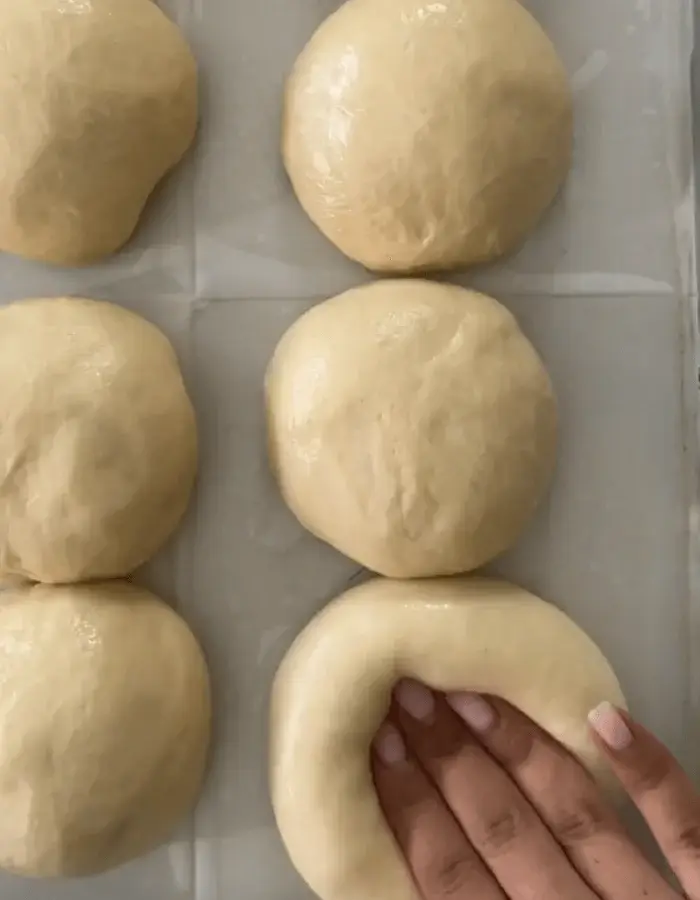
- Turn the dough out onto a lightly floured surface and divide into 10 equal portions (about 100 grams each). Shape into tight balls and place evenly spaced on a parchment-lined baking sheet. Cover loosely and let rise again for 30 minutes.
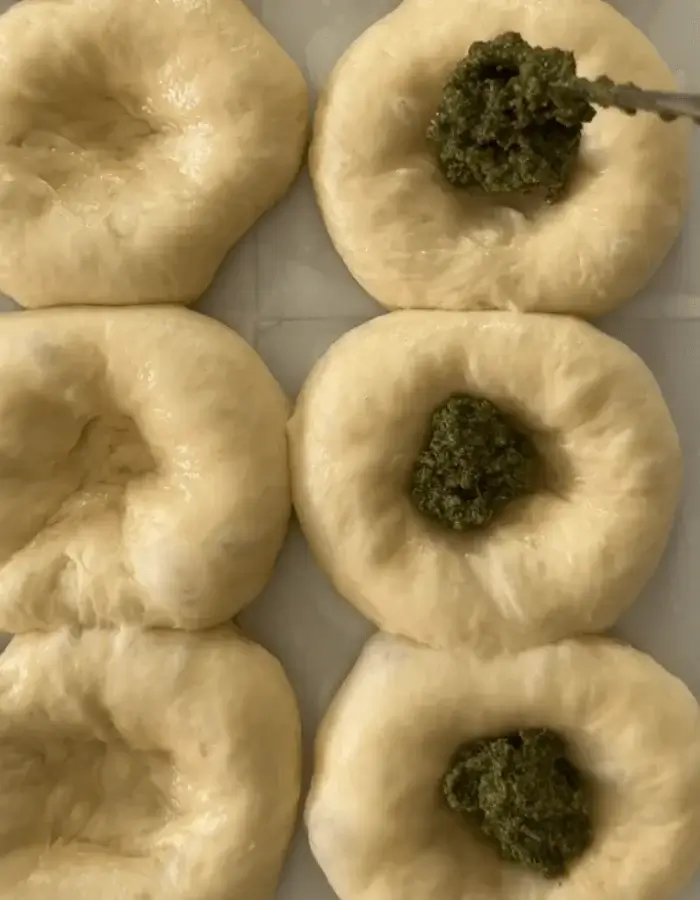
- Using your fingers, press a deep well into the center of each dough ball. Fill each with about a teaspoon of pesto. Top with a generous amount of grated Parmesan and then the grated Gouda or mozzarella.
- Preheat the oven to 355°F/180°C using the convection setting.
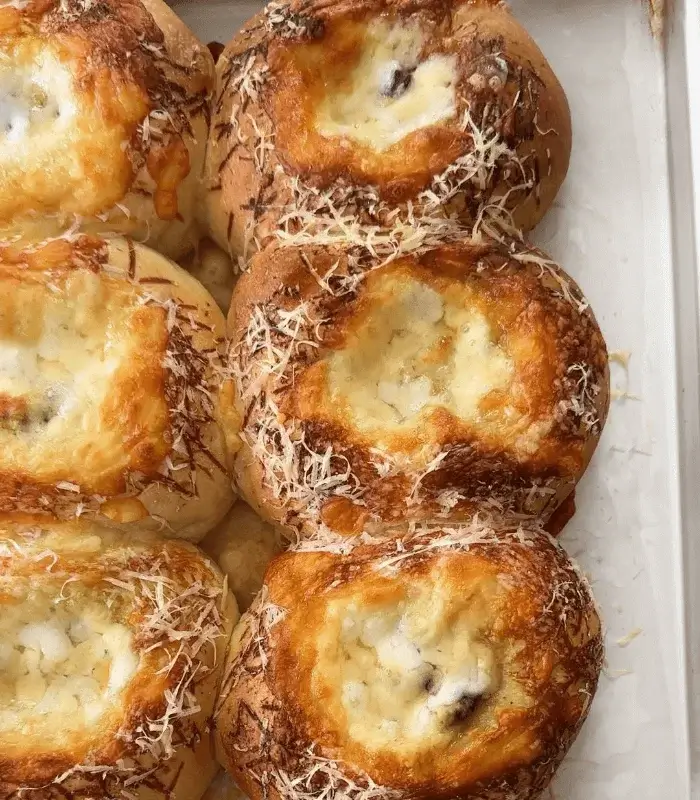
- Bake for 25 to 30 minutes, or until golden brown and bubbling. Let cool for 10 minutes before serving warm.
FAQ
What type of yeast works best for these cheese brioche?
Both instant dry yeast and fresh yeast work well for making cheese brioche dough. Instant dry yeast is convenient as it can be mixed directly with the flour, while fresh yeast must be dissolved in the liquid ingredients first. For consistent results and ease, instant dry yeast is often preferred.
How do I know when the buns are fully baked?
The buns are done when the tops are golden brown, the cheese is melted and bubbling, and the buns sound slightly hollow when tapped on the bottom. You can also insert a digital thermometer into the center—an internal temperature of 190°F/88°C confirms doneness. Be cautious not to overbake, as brioche dries out quickly. If the cheese begins browning too early, tent with foil to protect the tops while the inside finishes baking.
Can I make the dough ahead of time?
The dough can be made ahead and refrigerated overnight after the first rise. This slow fermentation improves flavor and texture. Before shaping and filling, bring the dough to room temperature, then proceed with dividing, shaping, and the second rise. Making the dough ahead is helpful for scheduling baking but requires additional time for the dough to warm and proof properly before baking.
How do I store leftover cheese brioche to keep it fresh?
Store at room temperature in an airtight container or wrapped tightly in plastic wrap for up to two days to maintain softness. For longer storage, freeze the buns individually in airtight bags for up to one month. Thaw at room temperature and warm gently before serving to restore freshness. Avoid refrigeration, as it can dry out the brioche and cause it to become stale faster.
Is it possible to make this cheese brioche dairy-free or vegan?
Making a dairy-free or vegan cheese brioche requires substituting dairy ingredients and eggs. Use plant-based milk such as oat or cashew milk instead of whole milk, and replace butter with a plant-based butter alternative or coconut oil in the dough. For the cheese filling, opt for vegan cheeses that melt well, such as cashew-based or coconut oil-based cheeses. Replace the egg with flaxseed or chia seed gel to maintain structure.
How do I prevent the cheese from burning while baking?
To prevent cheese from burning, make sure to create a well in the dough to contain the filling so it doesn’t overflow and burn on the baking sheet. Baking at a moderate temperature of 355°F/180°C using the convection setting helps even browning. You can also tent the buns loosely with foil halfway through baking if they brown too quickly while the inside finishes cooking.
Can I freeze the prepared cheese brioche buns before baking?
You can freeze the shaped and filled cheese brioche buns before baking. Place them on a baking sheet and freeze until firm, then transfer to airtight freezer bags. When ready to bake, thaw the buns in the refrigerator overnight, then let them rise at room temperature before baking as directed.
Why did my cheese brioche turn out dense instead of light and fluffy?
If your cheese brioche turned out dense, common issues include under-kneading, not enough proofing time, or using old yeast. Proper gluten development is essential for a soft and airy texture, so knead the dough thoroughly—10 minutes with a stand mixer is standard. Allow the dough to double during both rises. If the dough is rushed or if your yeast isn’t fresh, it won’t rise adequately. Also, make sure the butter is fully incorporated, as chunks of cold fat can hinder structure.