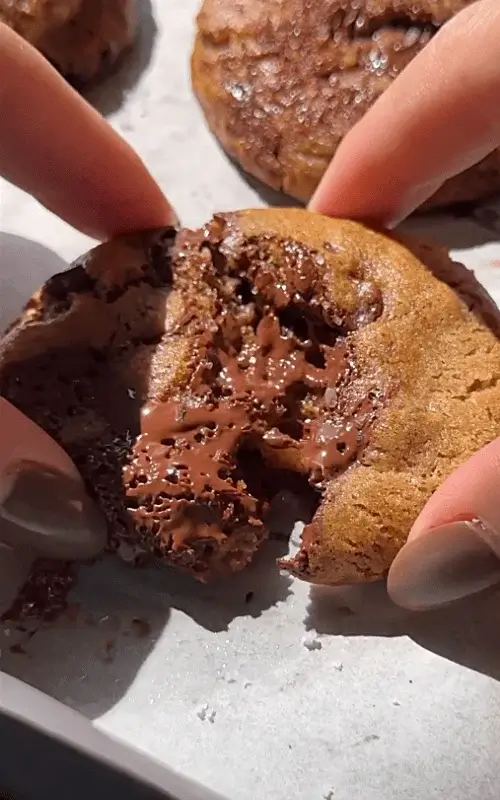
Brown Butter Chocolate Chip Cookies Recipe
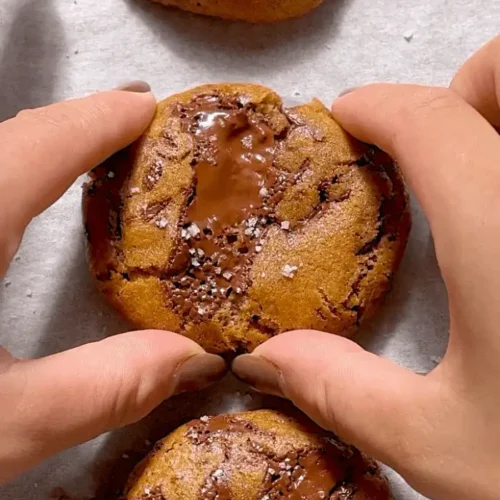
Watch the Full Step-by-Step
- Small saucepan
- Mixing bowls
- Baking sheet
- Kitchen scale
INGREDIENTS
- 8 tablespoons/113 grams unsalted butter
- 1⅔ cups/200 grams all-purpose flour
- 1 teaspoon vanilla paste or extract
- 1 large egg + 1 egg yolk
- ⅓ cup/60 grams brown sugar
- ⅓ cup/70 grams sugar
- ¾ teaspoon/4 grams baking soda
- ¾ teaspoon/4 grams baking powder
- ½ cup chocolate chips
- ½ teaspoon coarse salt, plus for finishing

INSTRUCTIONS
- Melt the butter in a small saucepan over medium heat, whisking as it foams, until golden brown and nutty, 3–5 minutes. Transfer to a bowl to cool slightly.
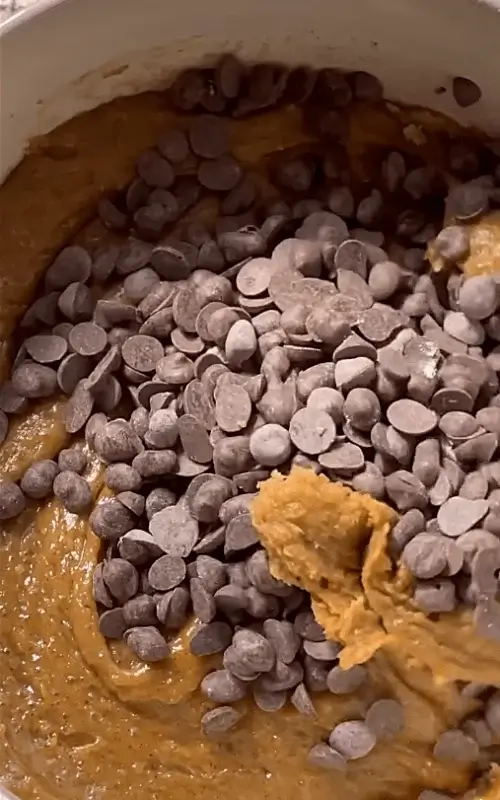
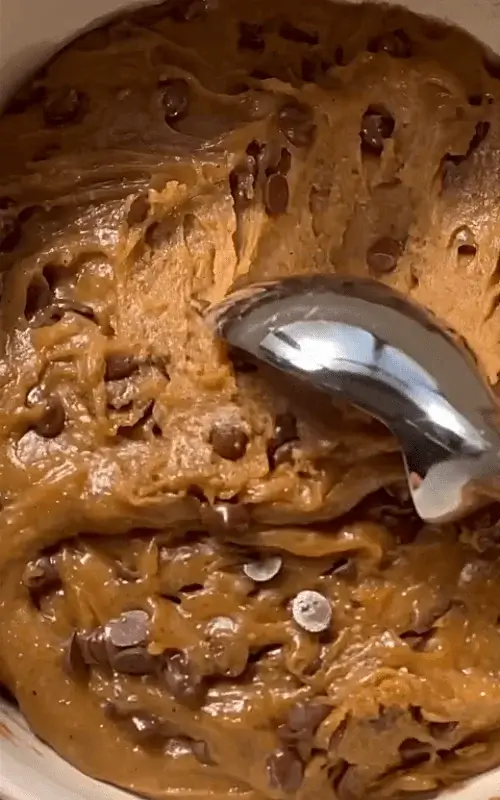
- Whisk the browned butter with both sugars, vanilla, egg, and yolk until smooth. Add flour, baking soda, baking powder, and fine salt; mix until just combined. Fold in chocolate chips.
- Shape dough into balls and place on a parchment-lined baking sheet. Freeze until firm, about 30 minutes.
- Preheat the oven to 350°F/175°C. Arrange dough balls spaced apart and bake until edges are set and centers remain soft, 10–12 minutes. Sprinkle with coarse salt and cool completely on the baking sheet.
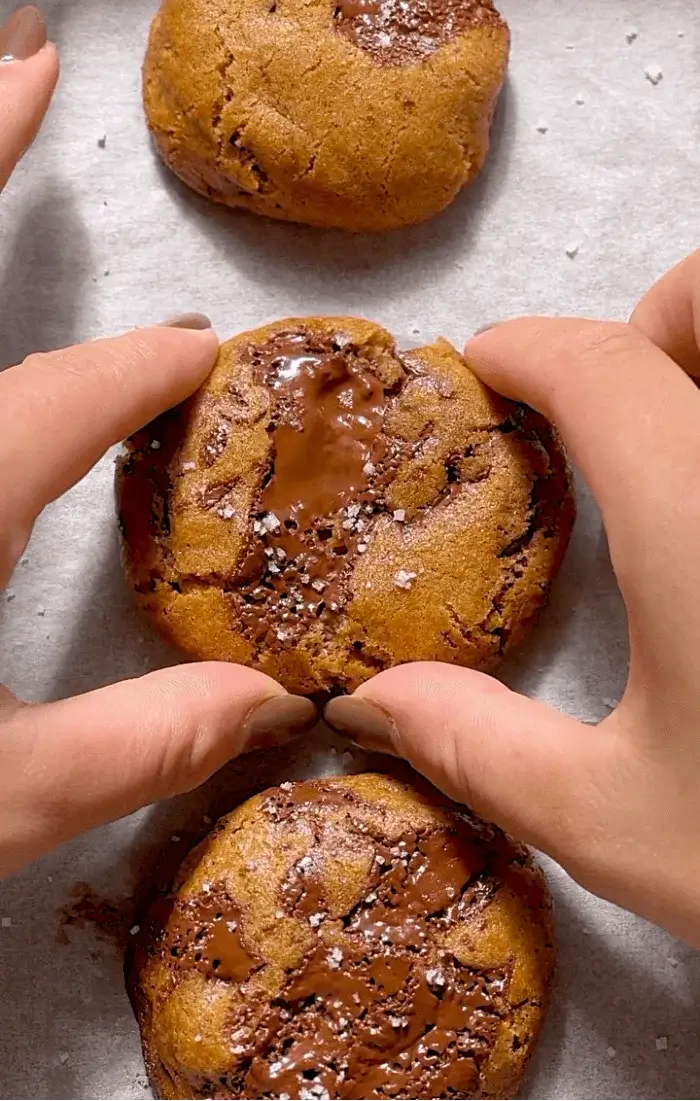
FAQ
What makes this brown butter chocolate chip cookies recipe different?
The brown butter chocolate chip cookies recipe stands out because the butter is cooked until it reaches a golden-brown, nutty stage before being mixed into the dough. This process develops deep caramelized flavors that cannot be achieved with raw or softened butter. The browning adds a subtle toasty aroma and a richer taste, giving the cookies a complex, almost caramel-like undertone.
Additionally, the balance of sugars and the combination of egg and yolk in this brown butter chocolate chip cookies recipe ensures a chewy interior with slightly crisp edges, creating a texture contrast that is signature to this style. Proper freezing of the dough before baking helps maintain shape and enhances the final texture, making these cookies more refined than standard chocolate chip cookies.
Why is it important not to overmix the dough?
Overmixing the dough in the brown butter chocolate chip cookies recipe can negatively affect texture. Excessive mixing develops gluten in the flour, which makes cookies tougher and less tender, contrary to the desired soft, chewy center.
Overmixing can also incorporate too much air, causing cookies to puff and then collapse unevenly. Folding the dry ingredients in gently ensures even distribution without compromising the nutty flavor from browned butter or the chewy texture.
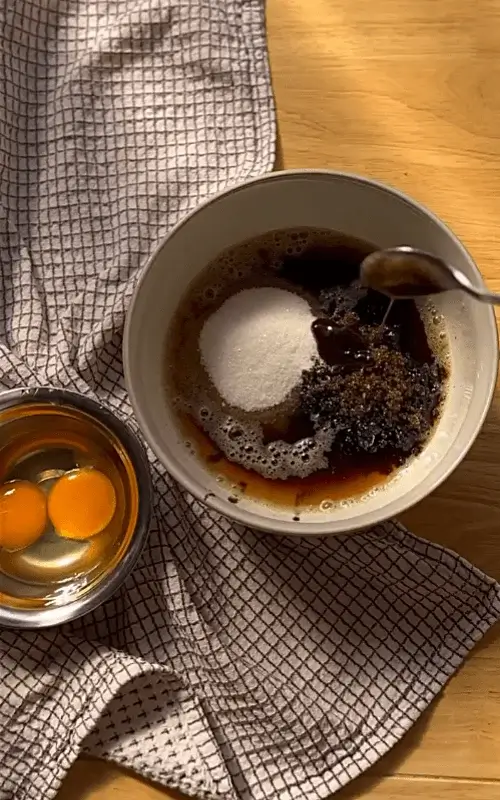
How do you properly brown butter?
To properly brown butter for the brown butter chocolate chip cookies recipe, start by cutting the butter into even cubes and placing it in a small saucepan over medium heat. Stir or whisk continuously as it melts, watching carefully as it foams and begins to bubble. The butter will gradually shift from pale yellow to a golden brown hue while releasing a nutty aroma.
This process usually takes three to five minutes but can vary depending on stove heat and pan thickness. Removing it from heat at the right moment is crucial, as overcooking can produce a burnt taste. After browning, the butter should be allowed to cool slightly before combining with sugars and eggs in the brown butter chocolate chip cookies recipe to avoid curdling and to preserve the rich flavor.
Why do some cookies spread too much?
If the butter is too warm when combined with the sugar and eggs, the dough can become overly soft, causing the cookies to flatten during baking. Using too little flour or inaccurate measurements can reduce structural support.
High baking sheet temperatures or using a warm pan from a previous batch can also contribute to spreading. Ensuring the dough is chilled before baking, using properly measured ingredients, and spacing dough balls adequately will prevent excessive spreading.
How can I make this recipe vegan?
Replace the butter with a plant-based butter substitute that behaves similarly under heat, and use a flax egg or chia egg (1 tablespoon ground flaxseed or chia seed mixed with 3 tablespoons water, set for 5–10 minutes) in place of the egg and yolk. Ensure that chocolate chips are dairy-free. Browning plant-based butter carefully is essential, as some alternatives have lower milk solids and may not develop the same nutty flavor, so monitor closely.
Why is it important to freeze the dough?
Freezing the dough in the brown butter chocolate chip cookies recipe is essential for both texture and flavor. Chilling firms the dough, which prevents the cookies from spreading too much during baking, ensuring thick, well-shaped cookies. It also allows the fats in the brown butter to solidify, which contributes to a chewier center and crisper edges.
Freezing gives time for the flavors to meld, allowing the nutty richness of the brown butter and the sweetness from the sugars to become more pronounced. Skipping this step can result in flat, overly thin cookies and less distinct flavor, so freezing is a critical component of achieving the classic results expected from the brown butter chocolate chip cookies recipe.
What causes the edges of cookies to brown faster than the centers?
In the brown butter chocolate chip cookies recipe, uneven browning between edges and centers is primarily due to heat distribution, sugar content, and dough thickness. The edges are thinner and have more direct contact with the hot baking sheet, causing faster caramelization of sugars and Maillard reactions that create a golden-brown color.
Brown sugar, with its higher moisture content, slows browning in the center, keeping it soft, while white sugar promotes more even caramelization at the edges. The composition of brown butter also contributes; the nutty solids in the butter accelerate browning.
Can I use salted butter in the brown butter chocolate chip cookies recipe?
Since the recipe already calls for fine and coarse salt, using salted butter can make the cookies noticeably saltier. To compensate, reduce or eliminate the added fine salt, and sprinkle coarse salt on top sparingly.
The caramelization from browning still occurs, and the nutty flavor develops as usual, but careful measurement ensures balance between sweet and salty. Using salted butter can provide an extra layer of complexity, but attention to the salt ratio is essential for preserving the classic flavor profile of the brown butter chocolate chip cookies recipe.
Can I use different types of chocolate?
Semi-sweet chocolate chips provide a balanced sweetness that complements the caramelized butter, while milk chocolate adds a creamier, sweeter profile. Dark chocolate increases bitterness and intensifies the overall richness, pairing well with the nutty tones of browned butter.
White chocolate contributes sweetness without bitterness but may alter the structure slightly, making cookies softer. Chopping a chocolate bar instead of using chips can create uneven melting pockets, adding textural interest. Regardless of the type, using high-quality chocolate ensures that the flavor in the brown butter chocolate chip cookies recipe remains pronounced and indulgent.
Can I make the brown butter chocolate chip cookies recipe gluten-free?
The brown butter chocolate chip cookies recipe can be adapted to be gluten-free by using a 1:1 gluten-free flour blend that contains xanthan gum or guar gum to mimic the structure and elasticity of wheat flour. It’s essential to choose a blend labeled as suitable for cookies to maintain the desired chewy texture.
Since gluten-free flours absorb liquids differently, slight adjustments to the dough may be necessary; you might need a teaspoon or two less flour if the dough feels stiff. Baking time generally remains the same, but monitoring the cookies closely is important to avoid overbaking.

How can I make the cookies chewier or crispier?
To adjust texture in the brown butter chocolate chip cookies recipe, modifications in sugar ratios, baking time, and dough handling are key. Increasing brown sugar relative to white sugar encourages more moisture retention, yielding chewier cookies due to its hygroscopic nature. For a crispier cookie, slightly reduce brown sugar, increase white sugar, or bake a few minutes longer to allow more caramelization at the edges.
Freezing the dough ensures a firmer cookie shape and can enhance chewiness while preventing excessive spreading. The thickness of dough balls also influences texture; larger scoops produce a soft, chewy interior, whereas smaller balls bake faster and become crisper.
How can I enhance the nutty flavor?
The nutty flavor in the brown butter chocolate chip cookies recipe comes from the caramelization of milk solids during the browning process. To enhance it further, make sure the butter is cooked until it is a deep golden-brown with a pronounced nutty aroma, stirring constantly to prevent burning.
Using European-style butter, which has higher fat content, intensifies richness. Toasted nuts, like pecans or walnuts, can also be folded into the dough for added texture and complementary nutty notes. Allowing the dough to rest or freeze before baking helps flavors meld.
How long can I store baked brown butter chocolate chip cookies?
Baked cookies can be stored at room temperature in an airtight container for up to five days. To maintain softness, place a piece of parchment paper between layers and avoid exposure to air. For longer storage, they can be frozen for up to three months; thaw at room temperature before serving. Proper storage preserves the chewy interior and crisp edges, as well as the deep, caramelized flavor from the browned butter.

Can I store baked or unbaked dough?
Both baked cookies and unbaked dough from the brown butter chocolate chip cookies recipe can be stored, but proper handling ensures quality. Baked cookies can be kept in an airtight container at room temperature for up to five days, maintaining softness if layers are separated by parchment.
For longer storage, freezing baked cookies preserves freshness for up to three months; thaw at room temperature before serving. Unbaked dough balls can be frozen individually or in batches, tightly wrapped or stored in airtight containers, for up to two months. When ready to bake, simply extend baking time slightly if frozen.