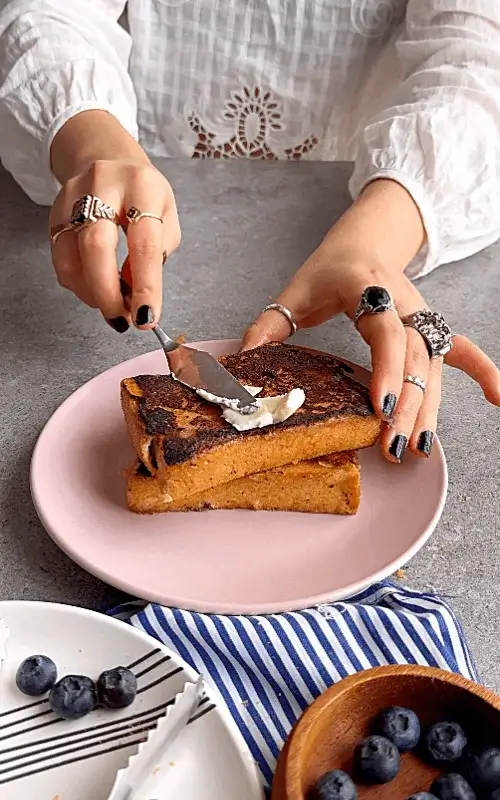
Brioche French Toast From Scratch
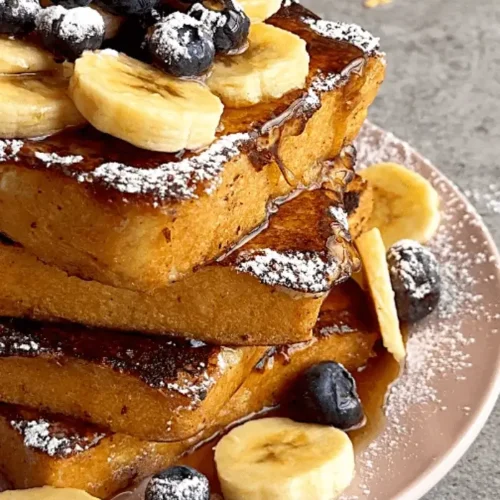
Watch the Full Step-by-Step
- Mixing bowls
- 9-by-5-inch (23×13 cm) loaf pan
- Rolling Pin
- Wire rack
- Kitchen scale
INGREDIENTS
- 1 cup/240 milliliters milk, warm
- 1 tablespoon sugar
- 2 teaspoons/10 grams active dry yeast
- 1 large egg
- ¼ cup granulated sugar
- 2½ cups/350 grams all-purpose flour
- 1 teaspoon/5 grams salt
- 2.5 ounces/70 grams unsalted butter, cold and cut into cubes
Custard:
- 2 large eggs
- ½ cup/120 milliliters milk
- ½ teaspoon ground cinnamon
- 2 tablespoons brown sugar, optional
For serving:
- Unsalted butter, cut into cubes
- Banana, sliced
- Blueberries
- Powdered sugar
- Maple syrup

INSTRUCTIONS
- Stir warm milk, 1 tablespoon sugar and yeast in the bowl of a stand mixer. Let stand until foamy, about 10 minutes. Add egg, remaining sugar, flour and salt; mix with the dough hook on low until a shaggy dough forms. Add butter a few cubes at a time, mixing until incorporated. Increase to medium and knead until smooth and elastic, 12 to 15 minutes. Transfer to a lightly buttered bowl, cover and let rise until slightly puffed, about 40 minutes.
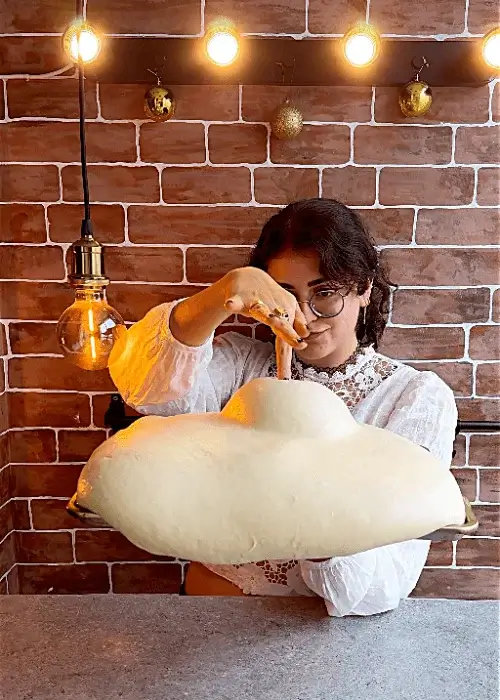
- Gently deflate the dough, roll into a rectangle and shape into a tight log to fit a 9-by-5-inch loaf pan. Place seam-side down in a well-buttered pan, cover and let rise until nearly doubled, about 30 minutes.
- Heat oven to 340°F/170°C. Bake until deeply golden and set, about 30 minutes. Turn out and cool completely on a rack before slicing thickly.
- Whisk eggs, milk, cinnamon and brown sugar in a shallow bowl. Melt a cube of butter in a nonstick skillet over medium heat. Dip each slice in custard, about 15 seconds per side, then cook until golden and crisp at the edges, 2 to 3 minutes per side, adding butter as needed.
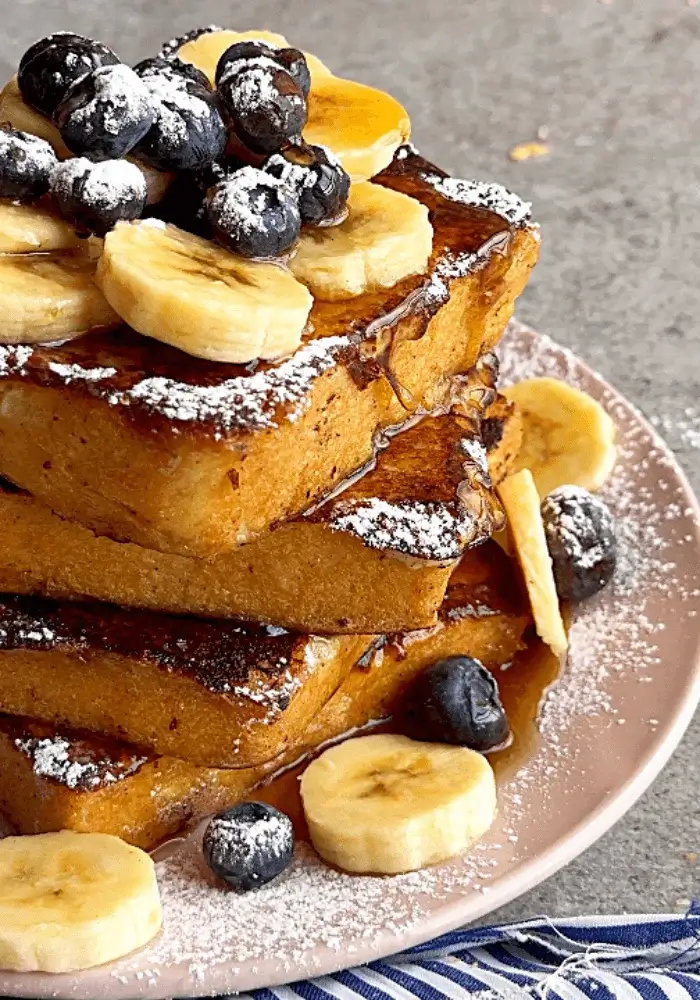
- Stack slices with small cubes of butter between them. Finish with banana, blueberries, confectioners’ sugar and maple syrup. Serve at once.
FAQ
What type of bread is best for making French toast?
The ideal bread for French toast is a fresh, slightly sweet, and rich brioche loaf. Brioche is an enriched dough made with butter, eggs, and a small amount of sugar, which gives it a tender crumb and a subtle sweetness that absorbs the custard without falling apart. Using a loaf that is too dry or too dense can result in a heavy, soggy texture, while a very soft, fresh loaf will soak up the egg mixture perfectly, creating a custardy interior and crisp, golden exterior.
Pre-slicing the bread into thick slices, about 1 to 1½ inches, ensures even soaking and cooking. Slightly stale brioche can also work because it absorbs the custard better without disintegrating. For the best flavor and structure, homemade brioche or high-quality bakery brioche is preferred.
What variations can be used for brioche French toast?
You can enhance the custard with vanilla extract, orange zest, or a pinch of nutmeg to deepen the flavor. The toppings can vary widely, from fresh berries, sliced bananas, or caramelized fruits to whipped cream, nuts, or chocolate shavings. For a richer version, substitute part of the milk in the custard with cream.
Savory variations are also possible by reducing sugar in the custard and adding herbs or cheese as a topping. Even the bread itself can be adapted, cinnamon swirl or chocolate chip brioche will create a more decadent French toast. When experimenting with variations, ensure the custard ratio is maintained so the bread absorbs it properly without becoming too soggy.
Can brioche French toast be frozen?
After cooking, allow the slices to cool completely, then lay them in a single layer on a baking sheet and freeze for one to two hours before transferring to an airtight container or freezer bag. This prevents the slices from sticking together. Frozen brioche French toast can be reheated directly from the freezer in a preheated oven at 350°F/175°C until heated through and crisped. Avoid thawing in the microwave first, which can make the toast soggy.
How should brioche French toast be cooked for the best texture?
Brioche French toast should be cooked over medium heat with butter in a nonstick skillet or griddle. The bread should be thickly sliced and fully soaked in the custard, allowing the interior to become soft and custardy. Avoid high heat, which can brown the exterior too quickly while leaving the center undercooked.
Cook each side 2–3 minutes until golden brown, adjusting heat as needed. Let slices rest slightly after cooking to set the custard, which improves slicing and stacking. For extra crispness, consider finishing in a preheated oven for a few minutes.
What is the best way to soak the brioche?
Fully submerge each thick slice in a well-mixed custard of eggs, milk, and flavorings like cinnamon or vanilla, allowing it to absorb the liquid evenly. Brioche has a soft, buttery crumb that soaks quickly, so slices should be thick, about 1 to 1½ inches, to avoid falling apart.
Letting the bread sit in the custard for 15–30 seconds per side ensures a custardy interior without becoming mushy. Over-soaking can cause the bread to break during cooking, while under-soaking can result in a dry center. For extra flavor, you can refrigerate the soaked slices for 10–15 minutes before cooking, which helps the custard fully penetrate.
Can brioche French toast be baked?
After soaking the brioche in custard, arrange the slices in a buttered baking dish in a single layer or slightly overlapping. You can dot each slice with butter or drizzle with cream for extra richness. Bake at 350°F/175°C for 20–25 minutes, flipping halfway if desired, until golden brown and slightly crisp at the edges.
This method creates a more hands-off approach while still producing a tender, custardy interior. Toppings like maple syrup, fresh fruit, or powdered sugar should be added after baking to maintain texture. Baked brioche French toast can also be made as a casserole by layering slices, pouring extra custard over the top, and baking until puffed and golden.
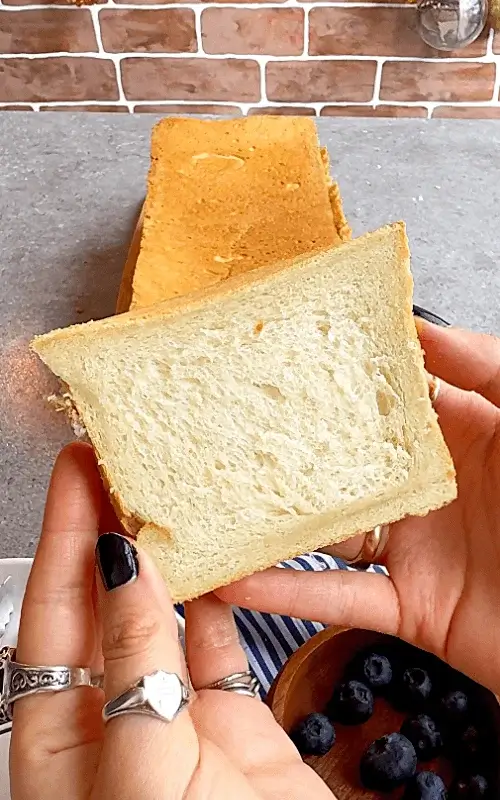
How can you prevent brioche French toast from getting soggy?
Use thick slices of brioche and soak them just long enough for the custard to penetrate—usually 15–30 seconds per side. Excessive soaking will make the bread collapse during cooking. Cook over medium heat, allowing the exterior to brown and crisp without burning, while the interior sets.
Using butter in the skillet adds flavor but also helps achieve a crisp crust. After cooking, let the slices rest on a wire rack rather than a plate to avoid steam softening the underside. Adding toppings like syrup or fruit just before serving preserves the toast’s texture.
What is the ideal thickness for slicing brioche French toast?
The ideal thickness for brioche French toast is 1 to 1½ inches (2.5–4 cm). This thickness allows the bread to soak up enough custard for a creamy interior while holding its shape during cooking. Slices that are too thin may cook too quickly, drying out the interior and making it difficult to achieve a custardy center.
Slices that are too thick may require longer cooking, which can risk uneven browning. For a uniform batch, use a sharp serrated knife and slice the loaf evenly. Proper thickness ensures the characteristic contrast of golden, crisp exterior and soft, tender interior that makes brioche French toast appealing. Slightly stale brioche works well because it absorbs custard without disintegrating.
Can you make brioche French toast dairy-free or lower in fat?
Substitute plant-based milk, such as almond, oat, or soy milk, for whole milk in both the dough (if making homemade brioche) and the custard. Replace butter with a non-dairy spread or coconut oil in the dough and for cooking, but note the flavor and richness may be slightly different.
Using egg substitutes like flax or chia eggs is possible in the custard, though they may change the custard’s creaminess. To reduce fat, consider using less butter between slices or topping with fruit instead of syrup and butter.
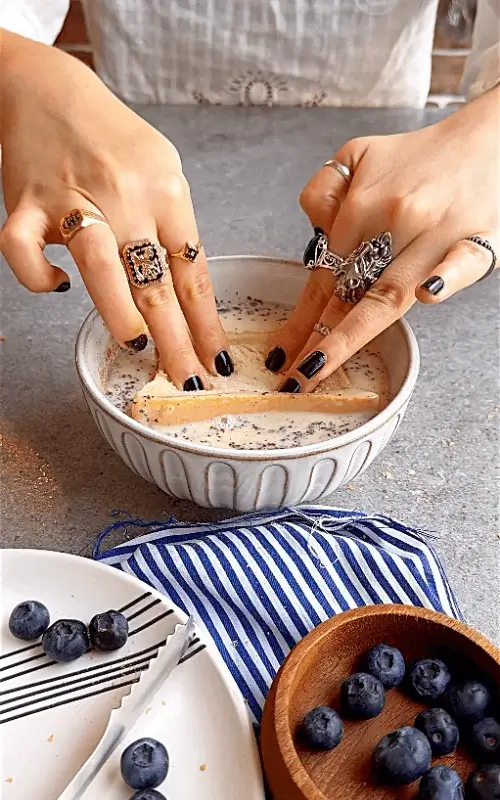
What is Borekitas?
The name “borekitas” is thought to come from the Turkish word “börek”, which means “pie”. Borekas are believed to have originated in Asia, and were brought to the Middle East by Sephardic Jews during the 15th century. They quickly became popular throughout the region, and today there are many different variations of borekas, each with its own unique flavor.