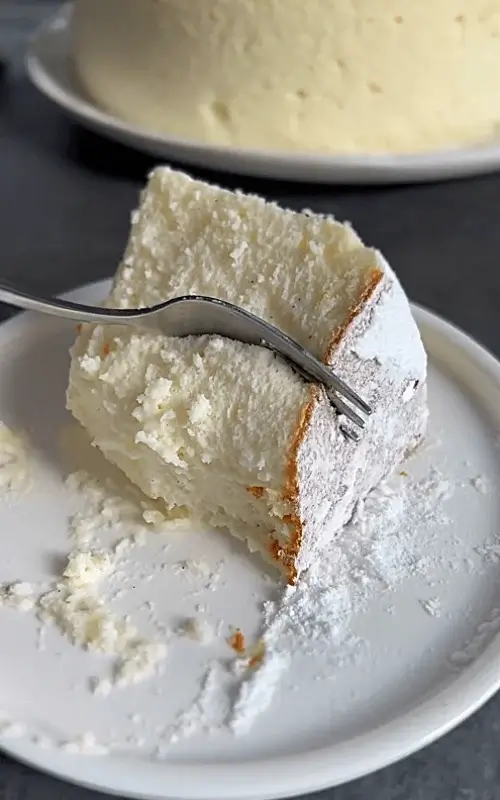
Classic Water Bath Cheesecake
Watch the Full Step-by-Step
- large mixing bowls
- Fine-mesh sieve
- 9-inch/22 cm deep round pan
- Kitchen scale
INGREDIENTS
- 6 large eggs/300 grams, separated
- 3 cups/750 grams farmer cheese, well strained
- 1 cup/200 grams sugar
- 1/2 cup/70 grams cornstarch
- 2/3 cup/80 grams vanilla instant pudding mix
- 3/4 cup/200 grams sour cream
- 3/4 cup/200 grams heavy cream
- 1 teaspoon vanilla paste or seeds from 1 vanilla bean
- 4 tablespoons unsalted butter, softened, for greasing
- Powdered sugar, for dusting

INSTRUCTIONS
- Heat the oven to 390°F/200°C, conventional setting. Set a wide roasting pan on the lower third of the oven and fill halfway with boiling water.
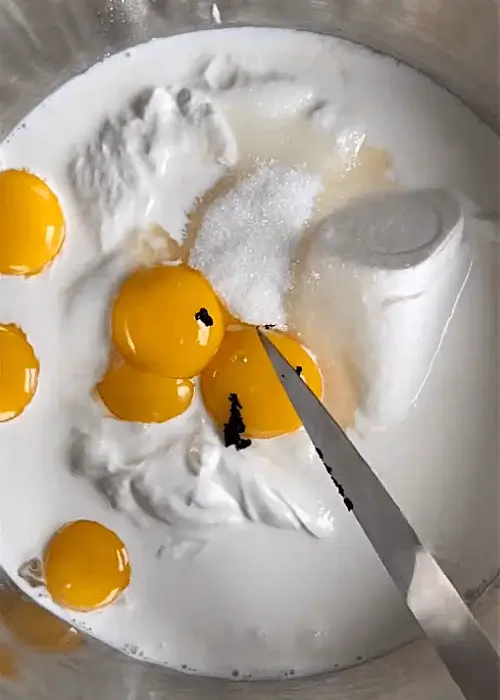
- Separate the eggs. In a large bowl, whisk the cheese, sour cream, heavy cream, half the sugar, egg yolks, and vanilla until smooth. Sift in the cornstarch and pudding mix and whisk until fully incorporated.
- In a stand mixer fitted with the whisk attachment, beat the egg whites on medium speed until foamy. Gradually add the remaining sugar and whip to glossy, firm peaks.
- Fold half the meringue into the cheese mixture, then gently fold in the remainder until smooth.
- Generously butter a 9-inch/22 cm deep round pan or jachnun pot and line the bottom with parchment. Pour in the batter, smooth the top, tap gently to release air bubbles, and wrap the sides with aluminum foil.
- Set the pan in the water bath and bake for 25 to 30 minutes, until lightly golden. Reduce the temperature to 310°F/155°C and bake for 70 minutes.
- Turn off the oven and leave the cake inside, door closed, for 2 to 3 hours. Refrigerate overnight.
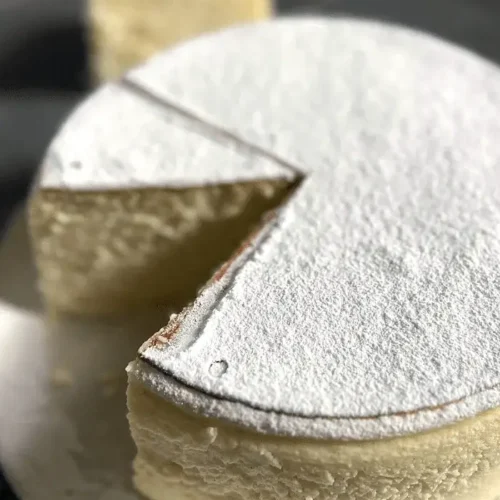
- Run a knife around the edge, unmold, invert onto a serving platter, and dust with powdered sugar.

FAQ
What is a water bath cheesecake and why use a water bath?
A water bath cheesecake is a cheesecake baked in a pan set inside a larger pan filled with hot water. This method provides gentle, even heat and prevents the edges from cooking faster than the center, which helps maintain a smooth, creamy texture throughout. The moisture from the water bath also prevents the cheesecake from drying out, which is essential for a soft, tender crumb and pale, even sides.
Using a water bath is particularly important when making taller cheesecakes, as it ensures the structure remains stable during baking. This technique is standard for recipes requiring precise temperature control and slow, steady baking, resulting in a perfect water bath cheesecake.
How do I slice the cheesecake cleanly?
Slicing a water bath cheesecake cleanly requires proper chilling and a sharp knife. Ensure the cheesecake has fully chilled overnight. Use a long, thin-bladed knife and dip it in hot water before each cut. Wipe the knife dry between slices to prevent smearing. Cutting slowly and gently preserves the crumb structure and prevents the creamy center from spilling. The water bath cheesecake’s texture, with its tender yet stable crumb, responds well to this method.
Why did my water bath cheesecake sink in the middle?
Sinking typically occurs when the cake is underbaked, overwhipped, or cooled too quickly. Overmixing the batter or folding the meringue too aggressively can introduce excess air, causing it to rise and then collapse. Baking at the proper temperatures and using a water bath provides gentle, even heat, helping the cheesecake set uniformly. Cooling the cake slowly in the oven with the door closed allows the center to stabilize before refrigeration. Proper chilling overnight is also critical.
Can I use cream cheese instead of farmer cheese?
Using cream cheese instead of farmer cheese will alter the texture and density of a water bath cheesecake. Farmer cheese has lower fat content and slightly higher moisture, creating a lighter, more delicate crumb that rises evenly. Cream cheese is richer and denser, which can make the cake heavier and reduce its rise. While cream cheese can be used in a pinch, it may require slight adjustments to the amount of cornstarch and baking time to prevent the cake from sinking or overbaking. For an authentic water bath cheesecake with the traditional light, soft structure, farmer cheese or well-drained ricotta is preferred over cream cheese.
How do I prevent cracks on top of the cheesecake?
Cracks on a water bath cheesecake are usually caused by rapid temperature changes or overmixing the batter. To prevent cracks, always bake in a gentle water bath, which provides even heat and moisture. Avoid overwhipping the eggs and folding the meringue too aggressively, as this can incorporate excess air that causes the cake to rise and collapse unevenly. Do not open the oven during baking, and reduce the temperature after the top is lightly golden to allow the center to set gradually. After baking, leaving the cake inside the closed oven for several hours also prevents sudden temperature shifts that can crack the surface.
How long should I chill the cake before serving?
A water bath cheesecake requires extended chilling to fully set its structure and achieve clean slices. After baking and leaving it in the closed oven for 2–3 hours, the cheesecake should be refrigerated overnight, ideally 8–12 hours. This resting time allows the flavors to meld, the texture to firm, and the water bath effects to stabilize the crumb and sides. Cutting the cheesecake too soon can result in a soft or slightly collapsed center, while proper chilling ensures a smooth, stable water bath cheesecake that holds its shape when sliced and presents beautifully.

Can I make this water bath cheesecake in a different pan or size?
You can use a different pan for a water bath cheesecake, but baking times will need adjustment. Taller pans require longer baking and more careful monitoring of the water bath, while shallower pans may bake faster. Always ensure the pan is well-greased and lined with parchment for easy release. Wrap the sides with aluminum foil to prevent water from leaking and to protect the cake edges from overbrowning. Keep in mind that the ratio of batter volume to pan size affects rise and texture, so minor changes to temperature and bake time may be necessary to achieve a perfectly set water bath cheesecake.
The difference between water bath cheesecakes and regular baked cheesecakes
The primary difference between a water bath cheesecake and a regular baked cheesecake is the method of heat application. A water bath cheesecake is baked in a pan surrounded by hot water, which provides gentle, even heat and adds moisture to prevent drying and cracking. Regular baked cheesecakes, without a water bath, often experience hotter edges and a slower-setting center, which can result in cracks, uneven texture, or a denser crumb. A water bath cheesecake has smoother, creamier texture, pale, even sides, and consistent rise, making it ideal for taller or more delicate recipes where structure and appearance are critical.
How do I achieve pale, white sides on a water bath cheesecake?
Pale sides are a hallmark of a properly baked water bath cheesecake and are achieved by even baking and protecting the cake from direct heat. Wrapping the pan with aluminum foil shields the edges from excessive browning. Using a water bath ensures gentle heat and prevents the sides from overcooking. Avoid opening the oven during baking, as temperature fluctuations can create uneven coloration. Proper greasing with butter also helps the sides release smoothly.
How do I know when my cheesecake is fully baked?
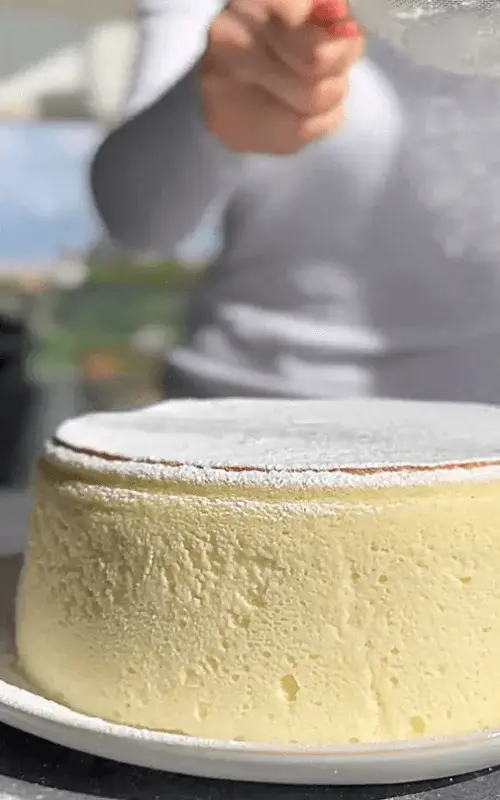
A water bath cheesecake is fully baked when the edges are set and slightly puffed, while the center still has a gentle wobble. It should not be liquid in the middle, but it will continue to firm as it cools. Because the cake is baked in a water bath, the gentle heat prevents the top from browning too quickly, so visual cues like a golden top are more subtle than in a dry bake. Avoid using a toothpick, as the water bath cheesecake should remain moist. Allowing the cheesecake to rest in the oven after baking and then chilling overnight ensures a perfect, stable texture and clean slices.
Can I freeze the cheesecake?
This cheesecake can be frozen, but proper preparation is essential. After the cake has fully cooled and set, wrap it tightly in plastic wrap followed by aluminum foil to prevent freezer burn and preserve moisture. Freeze for up to 2 months. To serve, thaw the cheesecake in the refrigerator for 8–12 hours, maintaining its delicate texture. Avoid defrosting at room temperature, as this can cause the creamy center to soften excessively and the structure to collapse.
Why is the cake bottom sometimes soggy?
A soggy bottom usually occurs when water seeps into the pan or the cheesecake is not baked long enough. Wrapping the pan in aluminum foil completely around the sides prevents water from leaking in. Ensure the roasting pan contains enough water, but not so much that it rises above the cake batter. Proper draining and straining of the cheese also reduce excess moisture. Baking at the recommended temperature and time allows the water bath cheesecake to set evenly. After baking, leaving the cake in the closed oven to cool helps stabilize the crumb and prevent a soggy base.
Can I use a springform pan for a water bath cheesecake?
A springform pan works well for a water bath cheesecake, but precautions are necessary to prevent leaks. Wrap the outside of the pan with heavy-duty aluminum foil to create a watertight seal. Place the wrapped pan in a larger roasting pan and fill with hot water, ensuring the water level reaches about halfway up the cheesecake pan. The springform makes unmolding easier once the cake has fully cooled.