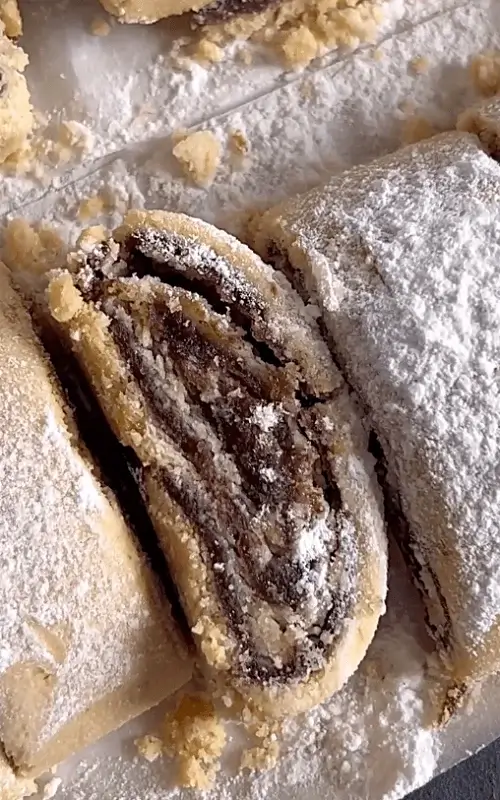
Rolled Date Cookies (Ma’amoul-style)
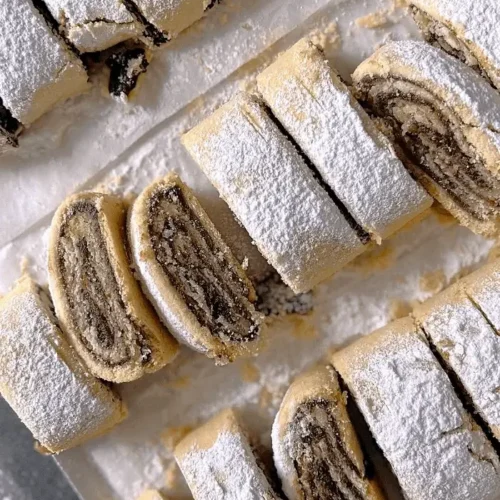
Watch the Full Step-by-Step
- Rolling Pin
- Mixing bowls
- Baking sheet
- Wire rack
- Kitchen scale
INGREDIENTS
- Powdered sugar, for dusting
- 1 cup/250 grams date spread
- ½ cup/60 grams chopped pecans or walnuts, optional
Dough:
- 4 cups/500 grams all-purpose flour
- ½ cup/50 grams powdered sugar
- 7 ounces/200 grams cold unsalted butter
- ¼ cup/60 milliliters oil
- ⅔ cup/180 milliliters fresh orange juice
- 2 teaspoons/10 grams baking powder
- Pinch of salt

INSTRUCTIONS
- Preheat the oven to 350°F/175°C.
- In a stand mixer fitted with the paddle attachment, combine the flour, powdered sugar, baking powder, salt, and butter. Mix on medium speed until the mixture resembles coarse crumbs. Add the oil and orange juice, and continue mixing until the dough comes together—smooth, uniform, and slightly sticky.
- Transfer the dough to a work surface, wrap in plastic wrap, and refrigerate for 2 hours or overnight. (Alternatively, freeze for 1 hour to speed up the process.)
- Divide the chilled dough into three equal portions. Place a sheet of parchment paper on the work surface, lightly dust with flour, and roll out one portion into a thin rectangle. If the dough sticks, dust with a bit more flour.
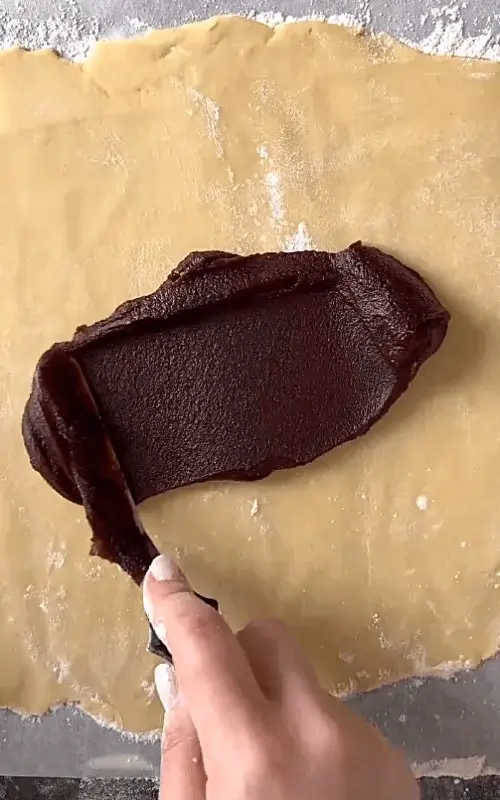
- Spread a thin, even layer of date spread over the dough, sprinkle nuts if using, and roll into a tight log using the parchment to lift and guide the dough. If it’s difficult to transfer, trim the parchment ends and move the log with the paper onto a baking sheet. Repeat with remaining dough.
- Dust a sharp knife with flour and make shallow slits along the top of each log. Bake for 20 to 25 minutes, or until lightly golden.
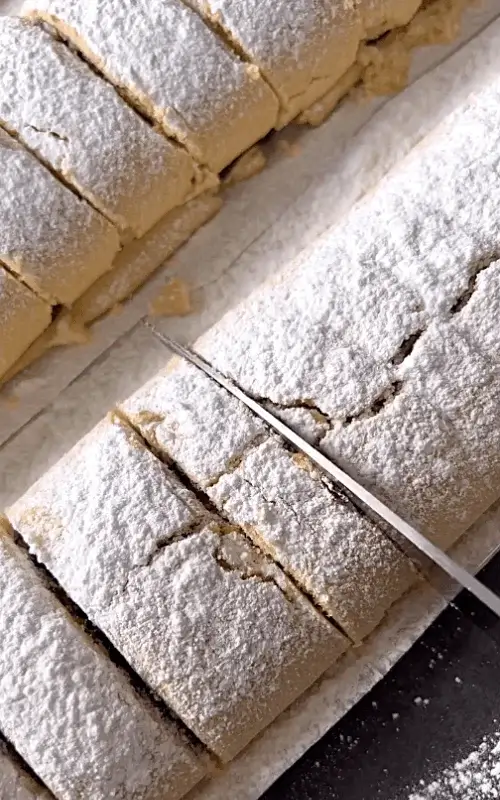
- Remove from the oven and dust with powdered sugar. Let rest for 5 minutes, then slice along the scored marks. Cool completely (20 minutes) before serving.
FAQ
What is the best filling for date cookies?
The best filling for date cookies is a smooth, thick date spread made from high-quality Medjool or Deglet Noor dates. The filling should be sweet but balanced, with optional additions such as chopped walnuts, pecans, or a pinch of cinnamon to enhance the flavor. Store-bought date paste can be used for convenience, but homemade filling made by simmering pitted dates with a splash of orange juice or water often yields better texture and aroma. The key is to use a spreadable consistency that won’t leak while baking.
How do I store the date cookies?
Allow them to cool completely, then store them in an airtight container lined with parchment paper. You can place a small piece of bread or a few apple slices inside the container to help maintain moisture. These cookies tend to dry out if left uncovered, especially in dry climates. Freezing is another excellent way to preserve texture—simply thaw at room temperature before serving. The combination of butter, orange juice, and oil in the dough naturally helps retain softness, so proper storage ensures your date cookies stay tender and fresh for several days.
Can I freeze the cookies before or after baking?
Date cookies can be frozen both before and after baking. To freeze unbaked rolls, wrap each log tightly in plastic wrap and place it in a freezer-safe bag for up to two months. When ready to bake, thaw in the refrigerator overnight before slicing and baking as directed. If freezing baked cookies, let them cool completely, then store them in an airtight container with parchment between layers to prevent sticking. They can be reheated briefly in a low oven to restore crisp edges.
Why is orange juice used in the dough?
Orange juice adds subtle citrus flavor and tenderizes the dough in date cookies by providing natural acidity and moisture. The mild tartness complements the sweetness of the date filling, while the liquid helps create a smooth, pliable dough that’s easy to roll and shape. Unlike milk or water, orange juice enhances both flavor and color, giving the cookies a golden tone. It also reacts slightly with the baking powder, contributing to a delicate crumb. This small detail sets traditional Middle Eastern and Mediterranean date cookies apart.
How can I make the cookies with whole wheat or gluten-free flour?
For whole wheat, use fine whole wheat pastry flour to avoid heaviness, and add an extra tablespoon of orange juice if the dough feels dry. For a gluten-free version, use a 1:1 gluten-free baking blend containing rice flour, potato starch, and xanthan gum for structure. The dough may be slightly more delicate, so rolling it between parchment sheets helps.
How can I prevent the dough from cracking when rolling it?
Make sure it’s properly chilled but not too cold or stiff. If it’s been in the refrigerator overnight, let it rest at room temperature for about 10 to 15 minutes before rolling. Work on a lightly floured surface and roll gently from the center outward. If cracks appear, press them back together using your fingertips or patch with a small piece of dough. The key is balancing temperature and hydration—too dry a dough or insufficient orange juice can cause cracking. Proper resting time and gentle handling keep the dough pliable and smooth for perfectly rolled date cookies.
How do I know when my date cookies are fully baked?
They are ready when the tops are lightly golden and firm to the touch, usually after 20 to 25 minutes at 350°F/175°C. The edges should show a faint color change, but the cookies shouldn’t brown deeply. Overbaking will make them dry and crumbly instead of tender. If baking multiple logs, rotate the baking sheet halfway through for even color. After removing them from the oven, let them rest for a few minutes before slicing—this helps them set without crumbling. The subtle golden hue and delicate crispness on top are reliable signs of perfectly baked date cookies.
Best way to slice the cookies without crumbling
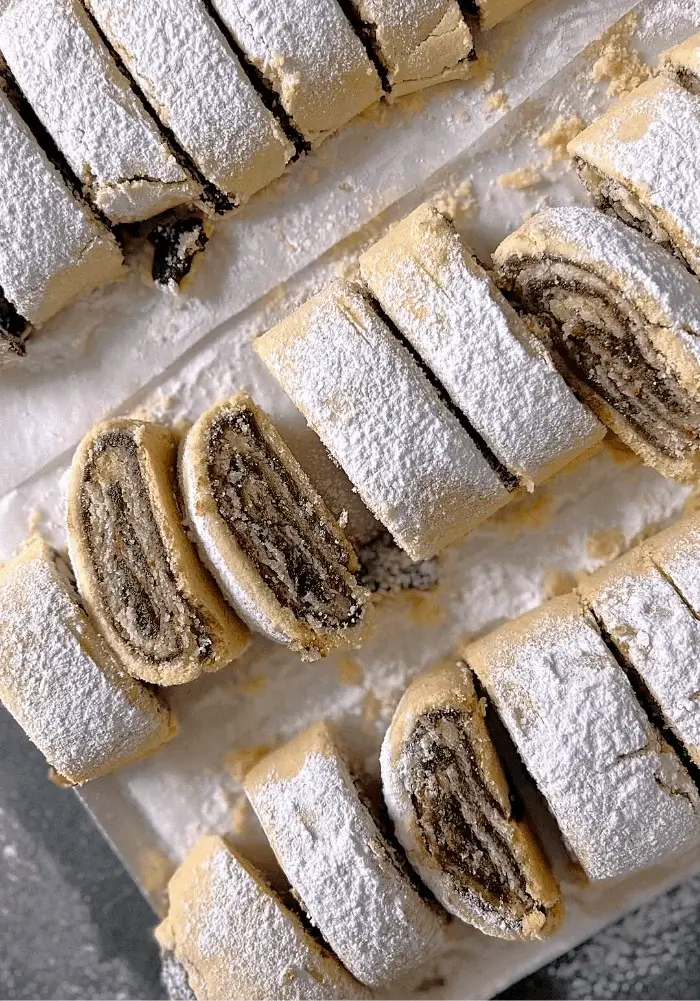
Allow the baked logs to rest for about 5 minutes after coming out of the oven. Use a sharp, serrated knife and cut along the pre-scored slits with gentle sawing motions rather than pressing down. If sliced too early, the dough may crumble because the butter is still hot and soft. Waiting until the cookies are warm but stable ensures clean edges and neat portions. Once fully cooled, the slices hold their shape perfectly.