Adi Marom’s Hamin Recipe (Overnight Beef & Bean Stew)

Watch the Full Step-by-Step
- Small saucepan
- Chef's knife
INGREDIENTS
- 1.1 pounds/500 grams beef shank, bone-in
- 1.1 pounds/500 grams beef short ribs, bone-in
- 1.1 pounds/500 grams marrow bones
- 3/4 cup navy beans, soaked overnight
- 3/4 cup chickpeas, soaked overnight
- 3/4 cup pearl barley, rinsed and drained
- 6 small potatoes, peeled
- 5 onions, 2 sliced and 3 whole, peeled
- 2 heads garlic, 1 separated into cloves and 1 whole
- 2 tablespoons sweet paprika
- 1 tablespoon baharat
- 1/2 tablespoon ground black pepper
- 1/4 tablespoon ground turmeric
- 1/2 tablespoon fine sea salt
- 1/2 tablespoon tomato paste
- 3 tablespoons date syrup
Wheat mixture (in an oven bag):
- 3/4 cup pearl barley
- 3/4 cup wheat berries
- 1 tablespoon sweet paprika
- 1 tablespoon date syrup
- 1 1/2 teaspoons salt
- 1 teaspoon baharat
- 4 garlic cloves
- 2 1/2 cups water

INSTRUCTIONS
- In a large heavy pot, heat a little oil over medium-high. Sear the beef shank, short ribs, and marrow bones on both sides until deeply browned; transfer to a plate. Add the sliced onions and cook, stirring, until golden. Stir in the garlic cloves, pearl barley, white beans, and chickpeas. Add paprika, baharat, salt, turmeric, black pepper, and tomato paste, stirring to coat everything evenly.
- Return the seared meats to the pot. Add the potatoes and the whole peeled onions, then drizzle the date syrup over the top. Pour in enough water to fully cover the contents and bring to a boil. Set the whole head of garlic on top.
- For the wheat mixture, warm a small pot with a little oil over medium heat. Add the pearl barley and wheat berries and toast lightly, 1 to 2 minutes. Stir in the garlic, paprika, baharat, fine sea salt, and date syrup, then add the water. Transfer to an oven bag, tie securely, pierce a few small holes in the top, and place the bag inside the hamin pot.
- For the eggs, boil as many as needed (one per person) in salted water for 15 minutes, then transfer them into the hamin pot.
- Cover the pot well with two thick kitchen towels and place on a hot plate overnight, 12–13 hours, until the grains are tender and the stew is rich and mahogany. Or bake, uncovered by towels, in a 230°F/110°C oven for 12–13 hours.

FAQ
How is hamin different from cholent?
Hamin and cholent are both traditional Jewish Shabbat stews, but their origins and flavors differ. Hamin is Sephardic in origin, usually spiced with paprika, baharat, turmeric, and sometimes date syrup for sweetness. Cholent is Ashkenazi, typically seasoned more simply with onion, garlic, salt, and pepper, and may include kishke or barley. Both are slow-cooked overnight and include beans, grains, potatoes, and meat, but hamin tends to be more aromatic and layered in flavor. When preparing a hamin recipe, the goal is a richly spiced dish that embodies Sephardic culinary traditions.
How should leftovers be stored and reheated?
Leftovers should be cooled to room temperature and stored in airtight containers in the refrigerator for up to 4 days. For longer storage, freeze portions for up to 3 months. To reheat, gently warm the stew in a covered pot over low heat with a splash of water to loosen the texture. Avoid microwaving large portions, as it can dry out the beans and meat unevenly. The flavors often deepen after resting, so leftovers can be just as delicious as the first serving.
Can I make this hamin gluten-free?
Replace pearl barley and wheat berries with naturally gluten-free grains like brown rice, quinoa, or buckwheat groats. Be mindful that some grains cook faster than barley, so it is best to use a cooking bag or adjust water ratios to prevent mushiness. The beans, meat, vegetables, and spices remain the same.
What meat is best to use in a hamin recipe?
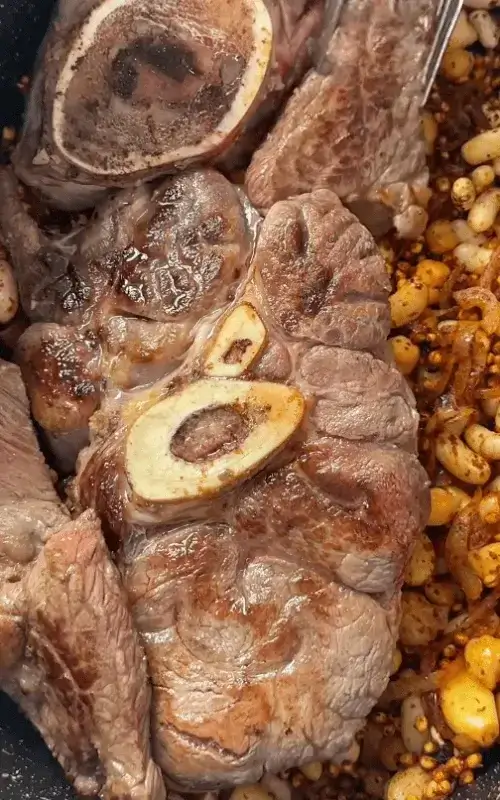
The best meat is a cut that benefits from long, slow cooking. Beef shank (osso buco), beef cheek, or beef short ribs are ideal because they contain collagen and connective tissue that melt into tenderness after 12–13 hours. Marrow bones add depth and richness to the broth, making the stew more flavorful. Chuck roast or brisket also work, but cheek and shank give the most authentic texture. The choice of meat influences the final flavor significantly, so picking a well-marbled cut is important.
Can I make a vegetarian version of hamin?
You can prepare a vegetarian hamin recipe by focusing on legumes, grains, and vegetables while eliminating the meat. Increase the beans and chickpeas to add more protein, and use hearty vegetables like sweet potatoes, carrots, and squash for substance. For richness, add extra olive oil or a splash of pomegranate molasses or date syrup. Some cooks also include seitan, tempeh, or mushrooms for a meaty texture. The long overnight cooking still develops deep flavor, making vegetarian hamin just as comforting and filling as the traditional version.
What grains are typically used in a hamin recipe?
The classic hamin recipe often includes pearl barley and wheat berries, both of which hold their shape after long cooking and absorb the flavors of the stew. In Sephardic traditions, rice or bulgur may be added instead of barley. The grains provide body and complement the beans, giving the dish its hearty consistency. Preparing the grains in a cooking bag inside the pot keeps them separate but infused with flavor.

Why are eggs added to a hamin recipe?
Eggs are a traditional addition to a hamin recipe because they slow-cook in the stew and develop a unique flavor and texture. Known as huevos haminados or hamin eggs, they become creamy inside with whites that turn beige from the onion skins or spices in the pot. The long cooking time imparts a nutty, roasted taste that complements the rich flavors of the stew. Each person typically gets one egg, making it both symbolic and practical. Eggs also add protein and round out the meal’s variety.
How sweet should the hamin be?
The sweetness depends on the tradition. Some Sephardic families add date syrup or honey for a sweet balance to the earthy beans and grains. Others prefer the dish less sweet and focus more on spices like paprika, baharat, and turmeric. The sweet element is not meant to dominate but rather to provide depth and contrast.
How should the hamin be served?
Hamin is served hot, straight from the pot after its overnight cook. Each plate usually includes a piece of meat, a potato, beans, grains, and a hamin egg. The stew is often accompanied by bread, pickles, or fresh salads to lighten the meal’s richness. Some traditions also serve it with hot sauce or schug for spice. Because a hamin recipe is hearty and filling, it often stands alone as the main course of Shabbat lunch, shared family-style at the table.
Can I prepare this hamin recipe in a slow cooker instead of the oven?
Yes, a slow cooker works very well since it maintains a consistent low temperature for long hours. After searing the meat and sautéing the onions and spices on the stovetop, transfer everything to the slow cooker, add enough water to cover, and cook on low for 12–14 hours. The beans and grains will soften, and the flavors will develop just as in the traditional method. Some prefer the oven for a deeper caramelized flavor, but the slow cooker offers convenience and reliability.